Blood Testing

EUC Blood Test

The Electrolytes, Urea and Creatinine (EUC) blood test is a standard renal function panel that measures sodium and potassium alongside urea and creatinine to assess fluid balance and kidney function. Abnormal Electrolytes, Urea and Creatinine (EUC) levels may suggest dehydration or overhydration, electrolyte imbalance, inflammation, reduced kidney filtration (including acute kidney injury or chronic kidney disease), or changes linked to muscle mass and protein metabolism. This matters because shifts can affect fatigue, cramps, recovery, blood pressure, and cardiovascular health. Results are most meaningful when interpreted with related markers such as eGFR and other kidney and metabolic biomarkers to pinpoint underlying causes.

EUC is available in Vively's Full Body Health. Check Book your blood test now for only $374 per test.
Book My Test
Same-day pathology referral | 4,000+ Testing Locations in AU | Results in 2-3 days
Order My CGM

What is EUC (Electrolytes, Urea, and Creatinine)?

EUC is a standard blood panel that looks at electrolytes (such as sodium and potassium), urea, and creatinine. Together, these markers show how your body balances fluids, supports cellular activity, and clears metabolic waste through everyday processes.

Why does it matter for long-term health and wellbeing?

Balanced EUC levels support steady energy, efficient metabolism, and physical performance. Tracking trends over time helps identify early shifts related to hydration, nutrition, and training load, supporting healthier ageing and day-to-day resilience.

What’s an optimal level of EUC?

Urea (mmol/L):

  • Lab range: 2.3–10
  • Optimal range: 3.5–10

Creatinine (µmol/L):

  • Lab range: 45–90
  • Optimal range: 45–90

Electrolytes are interpreted individually, but are typically assessed within established Australian laboratory reference ranges to ensure stable hydration and cellular balance.

What influences EUC levels?

Hydration status, protein intake, physical activity, muscle mass, and overall dietary patterns all play a role. Short-term factors such as intense exercise or low fluid intake can temporarily shift results, while consistent habits influence long-term trends.

What does it mean if EUC is outside the optimal range?

Values outside the optimal range may reflect changes in hydration, nutrition quality, or recovery demands. These results are best viewed as signals for adjustment rather than labels, guiding smarter choices around fluids, food, and workload.

How can I support healthy EUC levels?

Support comes from regular hydration, balanced protein intake, adequate mineral consumption, and recovery-aware training. Consistent sleep and stress management also help maintain internal balance and metabolic efficiency.

This information is provided for general health and wellness purposes only and does not replace medical advice.

References

  1. Healthdirect Australia. (2023). Blood tests. Australian Government Department of Health.
  2. Kidney Health Australia. (2022). Understanding blood and urine tests.
  3. National Health and Medical Research Council. (2017). Australian dietary guidelines.
  4. Healthdirect Australia. (2024). Guide to blood testing. Healthdirect Australia (Australian Government).

What we measure

 70+ biomarkers analysed, each one tells you something specific about how your body is functioning right now, not just whether you're "sick" or "not sick"

Understand markers linked to healthy aging

A reflection of how your body is aging at the cellular level, linked to age risks and longevity.

  • Biological Age
  • Speed of Aging

Understand how your body regulates energy

Review glucose, insulin and lipid markers associated with metabolic balance.

  • Fasting Glucose
  • Fasting Insulin
  • Haemoglobin A1c (HbA1c) IFCC mmol/m
  • Haemoglobin A1c (HbA1c) NGSP/DCCT %
  • HOMA-IR
  • Uric Acid/HDL-C (UHR)
  • TyG index
  • Sodium/Potassium Ratio
  • hs-CRP / HDL Ratio

See how your blood supports oxygen and energy

Key blood indicators like hemoglobin, inflammation, and oxygen transport for overall health.

  • Mean Cell Volume (MCV)
  • Red Blood Cell (RBC) Count
  • Haemoglobin
  • Haematocrit
  • Red cell distribution width (RDW)
  • Mean Cell Haemoglobin (MCH)
  • Mean Cell Haemoglobin Concentration (MCHC)
  • Platelet count

Review advanced cardiovascular risk markers

Analyse lipid balance and related markers linked to long-term heart and vascular wellbeing.

  • Total Cholesterol
  • LDL Cholesterol
  • HDL Cholesterol
  • Non-HDL Cholesterol
  • Cholesterol Ratio
  • Triglycerides
  • Cholesterol/HDL Ratio
  • Total Cholesterol/HDL Ratio
  • LDL/HDL Ratio
  • Triglyceride/HDL Cholesterol (Molar Ratio)
  • Non-HDL Cholesterol/Total Cholesterol (Mass Ratio)

See how your immune system is functioning

Review white blood cell markers that reflect immune activity and response.

  • White Blood Cell (WBC) Count
  • Neutrophils
  • Lymphocytes
  • Eosinophils
  • Basophils
  • Neutrophil-to-Lymphocyte Ratio
  • Neutrophil-to-HDL Cholesterol Ratio (NHR)
  • Platelet/Lymphocyte Ratio
  • Monocytes

Identify markers linked to systemic inflammation

Assess signals associated with inflammatory balance and overall physiological stress.

  • High-Sensitivity C-Reactive Protein (hs-CRP)
  • CRP/Albumin Ratio (CAR)
  • Systemic Inflammation Index (SII)

Monitor markers related to kidney function

Review indicators that reflect how efficiently your kidneys filter and regulate fluids.

  • Chloride
  • Bicarbonate
  • Sodium
  • Potassium
  • Urea
  • Creatinine
  • BUN/Creatinine Ratio
  • Estimated Glomerular Filtration Rate (eGFR)
  • Anion Gap

Assess markers connected to liver health

Understand enzymes and related markers linked to metabolic processing and detoxification pathways.

  • Alkaline Phosphatase
  • Bilirubin
  • Aspartate aminotransferase (AST)
  • Gamma-glutamyl Transferase (GGT)
  • Alanine Aminotransferase (ALT)
  • Globulin
  • Total Protein
  • NAFLD FIB-4
  • Albumin/Globulin Ratio
  • Albumin

Check your thyroid function

Helps identify thyroid issues linked to energy, mood and weight.

  • Thyroid Stimulating Hormone (TSH)

Check key nutrient levels that support daily function

Assess essential vitamins and minerals linked to energy production, recovery and overall wellbeing.

  • Phosphate
  • Magnesium
  • Transferrin
  • Ferritin
  • Transferrin saturation
  • Vitamin D
Get my baseline for $99
Why us?

What a standard check often leaves out

Your GP isn't the problem. The current health system isn't built for optimal health.

Vively
Standard GP check
Markers analysed
70+ markers
10-15 markers
Optimal ranges included
Biological age
Results reviewed with on-demand practitioner support
Personalised plan built around your results
Ongoing retesting and health trends reporting
How it works

Just 3 simple steps to get started

If needed, we'll recommend further testing to investigate potential issues based on your results

01

Take the test

One simple test to understand where your health stands. Visit one of 4,000 collection centres across Australia at your earliest convenience and take one easy blood draw.
02

Review your results

Meet with a registered health professional to identify what looks fine, what’s worth watching, and what (if anything) needs attention. If nothing needs changing, we’ll tell you that too.
03

Stay confident as life changes

After your baseline, Vively continues as ongoing guidance — helping you stay on track, adjust when something changes, and re-test every 3 months to see progress over time.
Get your health baseline
What's included

All of this, for only $99/month

Everything below is included from day one. Cancel anytime.

Practitioner support

  • Test reviews and guidance from a registered nurse trained in optimal health
  • Dietitian support for nutrition and lifestyle changes
  • Plan updates whenever your results change

Ongoing monitoring

  • A full Baseline available every 3 months
  • See every marker trend over time
  • Programs matched to your results

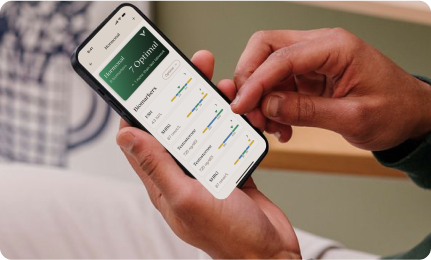
All-in-one mobile app

  • Unlimited AI health intelligence
  • Food tracking and wearables integrations
  • Cycle tracking, journal, and insights
  • Member pricing on additional tests

FAQs

Does this include a blood test?
How do I take the blood test in Australia?
What if I just want the Baseline and don't want a membership?
Can't I just ask my GP to order these tests?
What happens after my Baseline?
What if nothing's wrong?
How long does it take?
Are all markers included for every person?
How does the 100% Money Back Guarantee work?
What happens to my data?
How often do I get retested?