What is ferritin?
Ferritin is a protein that stores iron inside your cells and releases it when your body needs it.
A ferritin blood test gives an estimate of your body’s iron stores. This is different from measuring iron in the blood at a single point in time. Serum iron can fluctuate during the day, while ferritin gives a broader view of whether your body has enough stored iron to support oxygen transport, energy production, brain function, exercise capacity and general wellbeing.
Ferritin is commonly assessed as part of iron studies, usually alongside serum iron, transferrin, transferrin saturation and a full blood count. Looking at ferritin in context matters because ferritin can rise during inflammation, infection or liver stress, even when usable iron is low.
At Vively, ferritin is seen as one of the key markers that helps explain how your body is functioning beneath the surface. It is not just about whether you are anaemic. Low or high ferritin can be an early sign that your nutrition, absorption, menstrual blood loss, inflammation, liver health or metabolic health needs attention.
Why does ferritin matter for long-term health and wellbeing?
Ferritin matters because iron is essential for oxygen transport, red blood cell production, energy metabolism, immune function, brain function and physical performance.
When ferritin is low, the body may not have enough stored iron to support these processes. This can contribute to fatigue, weakness, poor concentration, reduced exercise capacity, dizziness, shortness of breath and, in more advanced cases, iron deficiency anaemia.
Ferritin also matters before anaemia develops. A person can have low iron stores while haemoglobin remains within the standard reference range. This is often called iron deficiency without anaemia, and it can still affect energy, mood, cognition, sleep quality, hair health and training performance.
High ferritin also matters. Ferritin can be elevated because of inflammation, liver stress, metabolic dysfunction, alcohol intake, infection, autoimmune conditions or iron overload disorders such as haemochromatosis.
This is why Vively looks at ferritin as part of a broader health picture. A single marker rarely tells the full story. Ferritin becomes more useful when viewed alongside transferrin saturation, liver enzymes, inflammation markers, full blood count results, menstrual history, diet, symptoms and lifestyle factors.
What ferritin level is ideal?
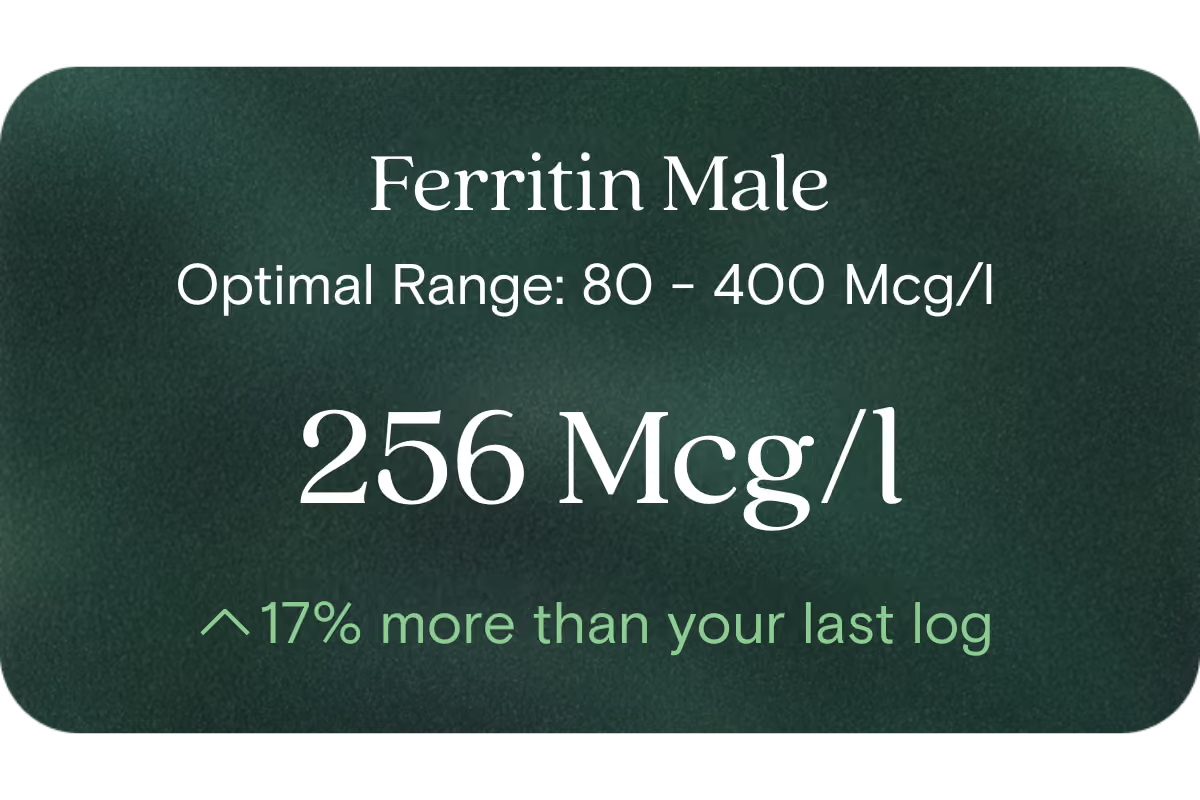
There is no single ideal ferritin level for everyone.
An optimal ferritin level depends on sex, age, menstrual blood loss, pregnancy status, inflammation, liver health, symptoms, training load and medical history.
As a practical guide, ferritin below 30 µg/L in adults often suggests depleted iron stores. Ferritin between 30 and 50 µg/L may still be suboptimal, especially if symptoms such as fatigue, poor concentration, dizziness, hair shedding or reduced exercise tolerance are present.
For many adults, ferritin around 50 to 150 µg/L may be a reasonable functional range, but this should not be treated as a universal target. Ferritin above 150 µg/L in menstruating women, or above 200 µg/L in men and non-menstruating women, may warrant review, especially if transferrin saturation is also high. Ferritin above 500 µg/L is more concerning and should be medically reviewed, particularly if persistent.
The Vively approach is to look beyond the basic “normal range” and ask whether ferritin makes sense in the context of the whole person. A ferritin result should be interpreted alongside symptoms, iron studies, inflammation, liver health, metabolic markers and health history.
What influences ferritin levels?
Ferritin levels are influenced by how much iron you consume, how well you absorb it, how much iron you lose and whether your body is dealing with inflammation, liver stress or disease.
Ferritin can be lowered by low iron intake, vegetarian or vegan diets without careful iron planning, heavy menstrual bleeding, pregnancy, recent childbirth, blood donation, gastrointestinal blood loss, coeliac disease, inflammatory bowel disease, high endurance training loads, poor vitamin C intake and some medications that affect stomach acid or gut function.
Ferritin can be raised by inflammation, infection, fatty liver, liver disease, high alcohol intake, insulin resistance, metabolic syndrome, autoimmune conditions, hereditary haemochromatosis, repeated blood transfusions and some chronic diseases.
Ferritin is also influenced by the type of iron in your diet. Haem iron, found in meat, poultry and seafood, is generally absorbed more efficiently than non-haem iron, which is found in plant foods such as legumes, tofu, spinach, wholegrains, nuts and seeds. Vitamin C can improve absorption of non-haem iron, while tea, coffee, calcium and some high-phytate foods can reduce absorption when consumed close to iron-rich meals.
What are the symptoms of low ferritin?
Low ferritin can cause symptoms even when haemoglobin is still normal.
Common symptoms include fatigue, weakness, brain fog, poor concentration, dizziness, light-headedness, shortness of breath on exertion, reduced exercise tolerance, headaches, restless legs, hair shedding, brittle nails, feeling cold, palpitations, low mood, irritability, poor sleep quality and cravings for ice or unusual substances.
These symptoms are not specific to low ferritin. They can also be caused by poor sleep, thyroid issues, B12 deficiency, vitamin D deficiency, stress, inflammation, under-eating, overtraining, infection or metabolic dysfunction.
Symptoms should guide interpretation, not replace testing. A borderline ferritin result is more meaningful when it matches the person’s symptoms and broader health picture.
What causes low ferritin?
Low ferritin usually means iron stores are being depleted faster than they are being replaced.
Common causes include low iron intake, restrictive dieting, low red meat intake, poorly planned vegetarian or vegan diets, heavy menstrual bleeding, pregnancy, postpartum blood loss, regular blood donation, gastrointestinal blood loss, poor absorption, coeliac disease, inflammatory bowel disease, bariatric surgery, high endurance training and low vitamin C intake.
Heavy menstrual bleeding is one of the most common causes of low ferritin in menstruating women.
In men and non-menstruating women, low ferritin needs more careful medical review because gastrointestinal blood loss or poor absorption may be involved.
The key question is not just “how do I raise ferritin?” It is “why is ferritin low?” Treating the number without understanding the cause can miss the underlying issue.
What causes high ferritin?
High ferritin does not always mean too much iron.
Ferritin can rise because of inflammation, infection, fatty liver, liver disease, alcohol intake, insulin resistance, metabolic syndrome, autoimmune conditions, hyperthyroidism, hereditary haemochromatosis, repeated blood transfusions, some cancers and chronic disease.
High ferritin with high transferrin saturation raises more concern for iron overload.
High ferritin with normal or low transferrin saturation may point more towards inflammation, liver stress, alcohol intake, metabolic dysfunction or chronic disease.
This distinction matters because the action is different. Iron overload may require medical investigation and treatment. Inflammation or metabolic dysfunction requires a different strategy focused on the underlying driver.
What is the difference between ferritin, iron and transferrin saturation?
Ferritin measures stored iron.
Serum iron measures iron circulating in the blood at the time of the test.
Transferrin is the main protein that transports iron through the blood.
Transferrin saturation shows the percentage of transferrin that is carrying iron.
A full blood count shows whether iron status is affecting red blood cells, haemoglobin and related markers such as MCV and MCH.
Ferritin is usually the best single marker of iron stores, but it can be falsely elevated by inflammation, infection or liver disease. Serum iron can vary substantially and is less useful by itself. Transferrin saturation helps show whether iron is actually available in the bloodstream.
This is why iron studies are more useful than ferritin alone. Ferritin tells you about storage. Transferrin saturation helps show availability. Full blood count helps show whether iron status is affecting blood production.
Can ferritin be normal but iron still be abnormal?
Yes. Ferritin can be normal or high even when iron availability is low.
This often happens when inflammation is present. Ferritin is an acute phase reactant, meaning it can rise when the immune system is activated. Inflammation can trap iron in storage and reduce the amount of iron available for red blood cell production, even when ferritin looks acceptable.
This is why a normal ferritin result does not always rule out an iron problem.
Ferritin should be interpreted alongside transferrin saturation, serum iron, transferrin, full blood count, CRP or other inflammation markers, liver enzymes, symptoms, menstrual history and dietary patterns.
A person with fatigue, inflammation, borderline ferritin and low transferrin saturation may still have poor iron availability, even if ferritin is not flagged as low.
What is the link between ferritin and inflammation?
Ferritin rises during inflammation, infection, liver disease and some chronic conditions.
This matters because high ferritin can mean two different things. It may mean the body is storing too much iron, or it may mean the body is inflamed and ferritin is rising as part of the inflammatory response.
High ferritin with high transferrin saturation raises more concern for iron overload.
High ferritin with normal or low transferrin saturation may point more towards inflammation, liver stress, fatty liver, alcohol intake, insulin resistance or chronic disease.
At Vively, ferritin is interpreted alongside markers such as CRP, ALT, AST, GGT, HbA1c, fasting insulin, triglycerides and full blood count. This helps separate an iron storage issue from an inflammation, liver or metabolic health issue.
What is the link between ferritin and fatigue?
Low ferritin can contribute to fatigue because iron is needed for oxygen transport, red blood cell production and cellular energy metabolism.
Ferritin-related fatigue may feel like low physical energy, heavy legs during exercise, poor recovery, brain fog, afternoon crashes, reduced motivation, shortness of breath during normal activity, feeling cold or poor concentration.
Low ferritin can affect energy before anaemia appears. This means haemoglobin may still be in range, while iron stores are already too low to support optimal function.
Fatigue is not specific to ferritin. It can also be caused by poor sleep, stress, thyroid dysfunction, B12 deficiency, low vitamin D, inflammation, infection, under-eating, depression, overtraining or metabolic dysfunction.
The best approach is not to guess. Check ferritin alongside the other markers that explain fatigue.
What is the link between ferritin and exercise performance?
Ferritin matters for exercise because iron supports oxygen transport and muscle energy production.
Low ferritin can reduce training capacity, especially in endurance-based activity. People with low ferritin may notice higher perceived effort at the same pace, reduced stamina, slower recovery, heavy legs, breathlessness during exercise, poor adaptation to training and reduced motivation to train.
Athletes and highly active people can be more vulnerable to low iron stores due to higher iron demands, sweating, gastrointestinal iron loss, foot-strike haemolysis in runners, inadequate intake or menstrual blood loss.
Ferritin is especially relevant for women who train regularly, endurance athletes, vegetarians, vegans and people increasing training volume.
The goal is not to push ferritin as high as possible. Excess iron is not beneficial. The goal is sufficient iron availability without inflammation or overload.
What does it mean if ferritin is outside the optimal range?
Low ferritin usually means depleted iron stores. This may mean the body does not have enough stored iron to support red blood cell production, oxygen transport, brain function and exercise capacity.
Low ferritin should prompt three questions: is enough iron coming in, is iron being absorbed properly, and is iron being lost somewhere?
High ferritin means either increased iron storage, inflammation, liver stress or another condition causing ferritin to rise.
High ferritin should prompt different questions: is transferrin saturation also high, are liver enzymes elevated, is CRP elevated, is there fatty liver or metabolic dysfunction, is alcohol intake contributing, is there a family history of haemochromatosis, and is the result persistent or temporary?
The pattern matters more than the ferritin number alone.
When does high ferritin need medical review?
High ferritin should be medically reviewed when it is persistent, unexplained, rising over time, above 500 µg/L, or occurring alongside abnormal transferrin saturation, elevated liver enzymes or concerning symptoms.
Medical review is also important if ferritin is above 150 µg/L in a menstruating woman with no clear reason, above 200 µg/L in a man or non-menstruating woman with no clear reason, or if transferrin saturation is 45% or higher.
High ferritin also needs review when there is a family history of haemochromatosis, known liver disease, heavy alcohol intake, metabolic syndrome, joint pain, abdominal pain, weakness, skin darkening, reduced libido or unexplained fatigue.
High ferritin should not be self-treated with diet changes alone if iron overload is possible. It needs proper interpretation.
What other markers should be checked with ferritin?
Ferritin should ideally be checked alongside full blood count, serum iron, transferrin, transferrin saturation, CRP, liver enzymes, B12, folate, TSH, HbA1c, fasting insulin, triglycerides and cholesterol.
Full blood count helps show whether iron status is affecting haemoglobin, red blood cells, MCV and MCH.
Transferrin saturation helps show whether iron is available in the bloodstream.
CRP helps identify inflammation that may distort ferritin.
ALT, AST and GGT help assess whether liver stress, fatty liver or alcohol intake may be contributing to high ferritin.
B12, folate and TSH help assess other common contributors to fatigue and blood abnormalities.
HbA1c, fasting insulin, triglycerides and cholesterol help assess whether high ferritin may sit within a broader metabolic pattern.
In some cases, coeliac testing, reticulocyte count or genetic testing for haemochromatosis may also be appropriate.
How can you improve ferritin to a healthy level?
The right strategy depends on whether ferritin is low, high or being affected by inflammation.
If ferritin is low, the first step is to identify the cause. Low ferritin can come from low intake, poor absorption, increased needs or blood loss.
Eating iron-rich foods regularly can help. Useful foods include lean red meat, poultry, seafood, eggs, lentils, beans, tofu, tempeh, spinach, pumpkin seeds and iron-fortified foods.
Pairing plant-based iron with vitamin C can improve absorption. Useful combinations include lentils with tomato, tofu with broccoli, spinach with citrus, beans with salsa, or oats with berries.
Tea, coffee and calcium can reduce iron absorption when consumed close to iron-rich meals or supplements. If ferritin is low, separating these from key iron-rich meals may help.
Heavy periods should be reviewed rather than ignored. Treating low ferritin without addressing heavy bleeding often leads to recurrence.
Persistent low ferritin despite adequate intake may point to poor absorption. Coeliac disease, inflammatory bowel disease, bariatric surgery and some medications can all affect iron absorption.
Iron supplements can be effective, but they should be used with guidance. They can cause constipation, nausea and gut irritation, and they may be inappropriate if the cause of low ferritin has not been investigated.
If ferritin is high, do not take iron supplements unless specifically advised.
High ferritin should be interpreted by checking inflammation, liver health, metabolic health and transferrin saturation. Reducing alcohol, improving metabolic health, addressing fatty liver, improving sleep, increasing movement and reducing inflammation may help when ferritin is elevated because of lifestyle or metabolic drivers.
If ferritin is high and transferrin saturation is also high, iron overload becomes more likely and medical review is important.
How does Vively help you understand ferritin?
Vively helps you understand ferritin in context, not isolation.
A conventional blood test may tell you whether ferritin is inside or outside the reference range. That is only the starting point.
Vively looks at ferritin alongside symptoms, nutrition, menstrual history, training load, inflammation, liver health, metabolic markers and other blood results. This helps identify whether low ferritin is likely driven by intake, absorption or blood loss, and whether high ferritin is more likely linked with inflammation, liver stress, metabolic dysfunction or iron overload.
The goal is not to optimise one marker in isolation. The goal is to understand the pattern, act on the root cause and track whether your health is improving over time.
References
- Royal College of Pathologists of Australasia. Iron studies. Ferritin below 30 µg/L in adults is diagnostic of iron deficiency, and ferritin may be elevated by inflammation, liver disease or iron overload.
- Royal College of Pathologists of Australasia. Ferritin. Ferritin of 30–100 µg/L in an anaemic adult may still represent iron deficiency when inflammatory disease is present.
- Australian Prescriber. Correcting iron deficiency. Iron studies include serum iron, ferritin, transferrin and transferrin saturation; ferritin can be increased by inflammation.
- World Health Organization. Use of ferritin concentrations to assess iron status in individuals and populations. Ferritin thresholds can help assess iron deficiency and potential iron overload risk.
- Mayo Clinic. Ferritin test. High ferritin most often reflects inflammation and may also be associated with liver disease, inflammatory conditions, hyperthyroidism, cancers or iron overload.
- Mayo Clinic. Haemochromatosis: diagnosis and treatment. Transferrin saturation of 45% or more is often considered high when assessing possible iron overload.


















.avif)


.svg)