



Blood Testing
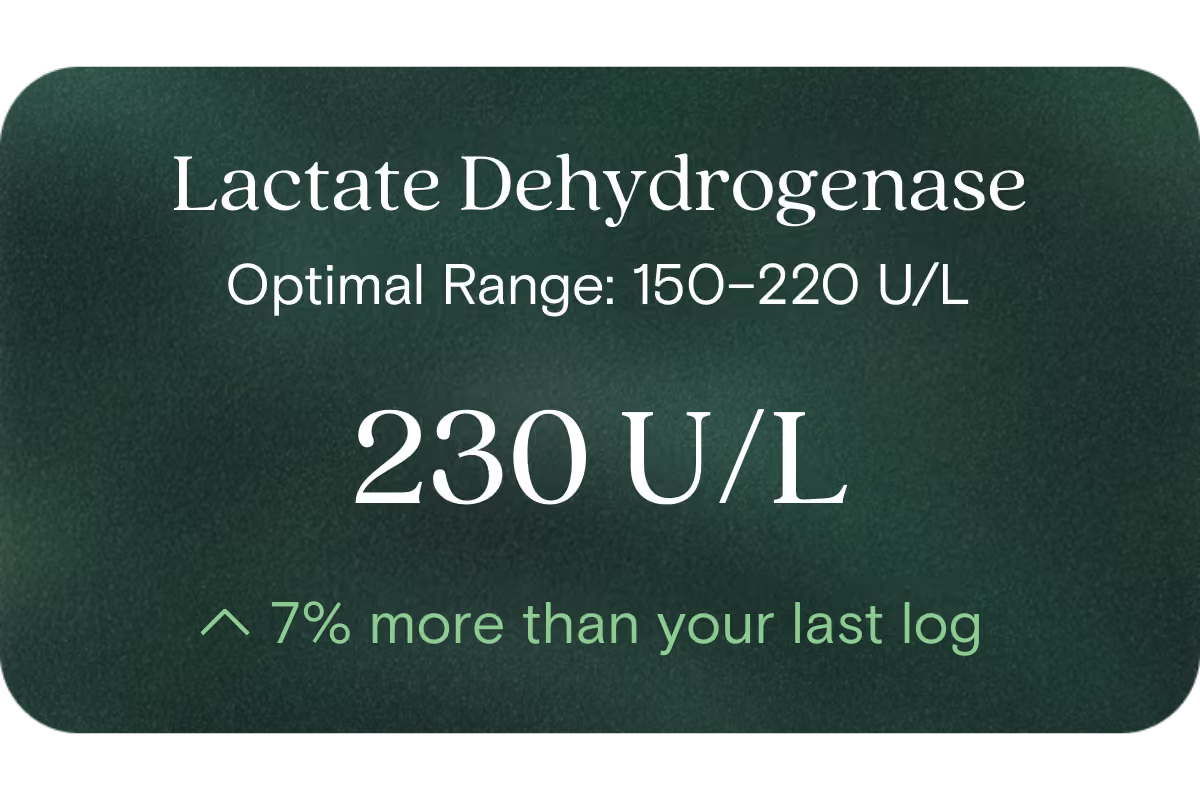
Lactate dehydrogenase (LDH) blood test: normal range and what your result means
Lactate Dehydrogenase (LDH) is a key enzyme in energy metabolism that catalyses the reversible conversion of lactate to pyruvate, helping your cells maintain energy production when oxygen availability fluctuates during activity. It’s present in most body tissues and widely measured in blood using units of U/L. In Australia, typical adult reference ranges are ~120 to 250 U/L in standard pathology tests. Monitoring LDH can offer insight into how your metabolism responds to physical stress and recovery, helping you optimise energy pathways and metabolic efficiency now and over the long term.
Reviewed by the Vively clinical team
Cost
An add-on to your Baseline Health Check, priced individually.
Medicare
Private test with no Medicare rebate.
How to get it
Add it to your Baseline order. It uses the same blood draw at a partner collection centre, with results in the Vively app within a few days.
Vively's health team can help you test Lactate Dehydrogenase (LDH). You start with the Baseline Health Check, then add this test.
Get my Baseline★ 4.7
on ProductReview · Trusted by 30,000+ Australians
Same-day pathology referral | 3,700+ Testing Locations in AU | Results usually within a few days
Book My Test
Order My CGM
.avif)


.svg)