STEP-TEMBER SALE NOW ON | $99 per CGM | ENDS 7TH SEPTEMBER | LOWEST PRICE EVER




By Rachel M. · 14th September, 2026
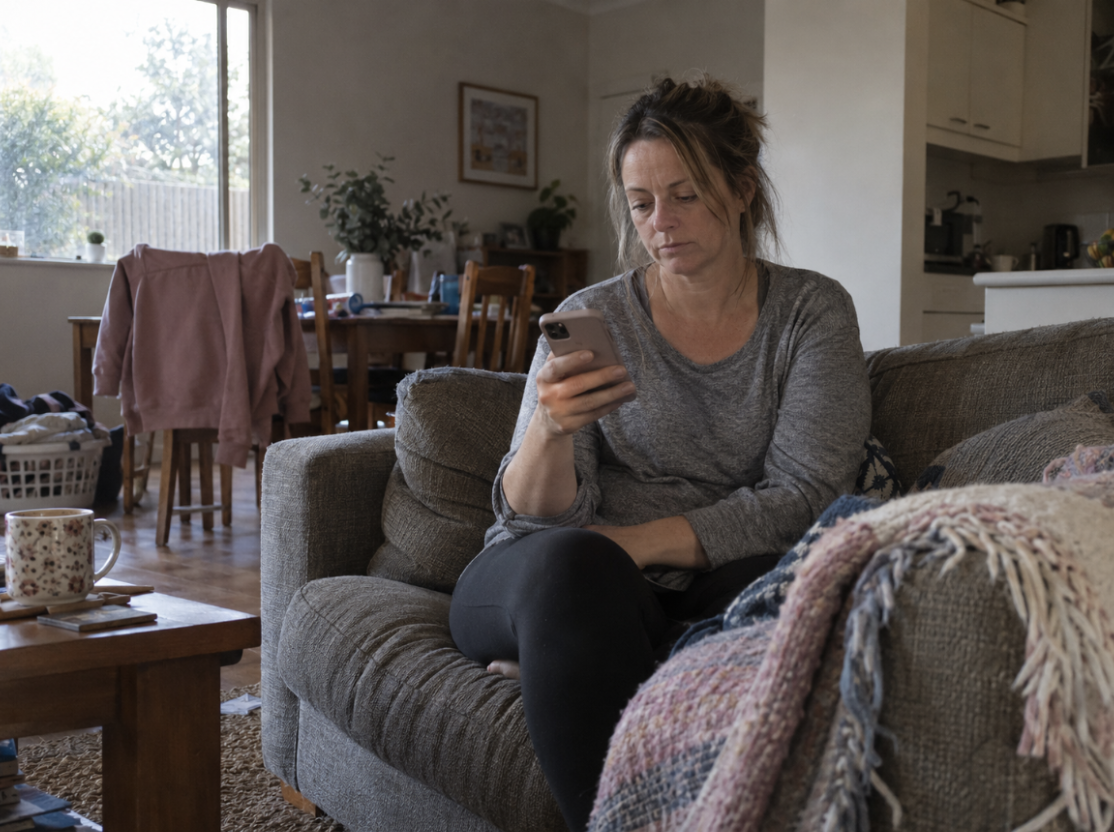
I am the worst possible customer for anything health related.
Not because I don't care. Because I care and I've been burned. The gut protocol that did nothing. The practitioner who charged me $220 to tell me to reduce stress. The powder that was going to change my energy levels and changed only my bank balance.
So when Vively started showing up on my feed, my first reaction was the one I have to everything now. Yeah, sure.
And then it kept showing up. And I kept not clicking, because every time I got close, a question came up that the ad didn't answer.
I want to go through those questions, because I've since found out I wasn't the only one asking them. I've seen the same ones in the comments under their ads, over and over, from people doing exactly what I was doing. Hovering. Wanting it. Not pressing the button.
This was the big one, and it's the one I see asked most.
"70+ markers" is a number, not an answer. I wanted to know whether the specific things I'd been wondering about for two years were in there or not.
So I went and read the actual list.
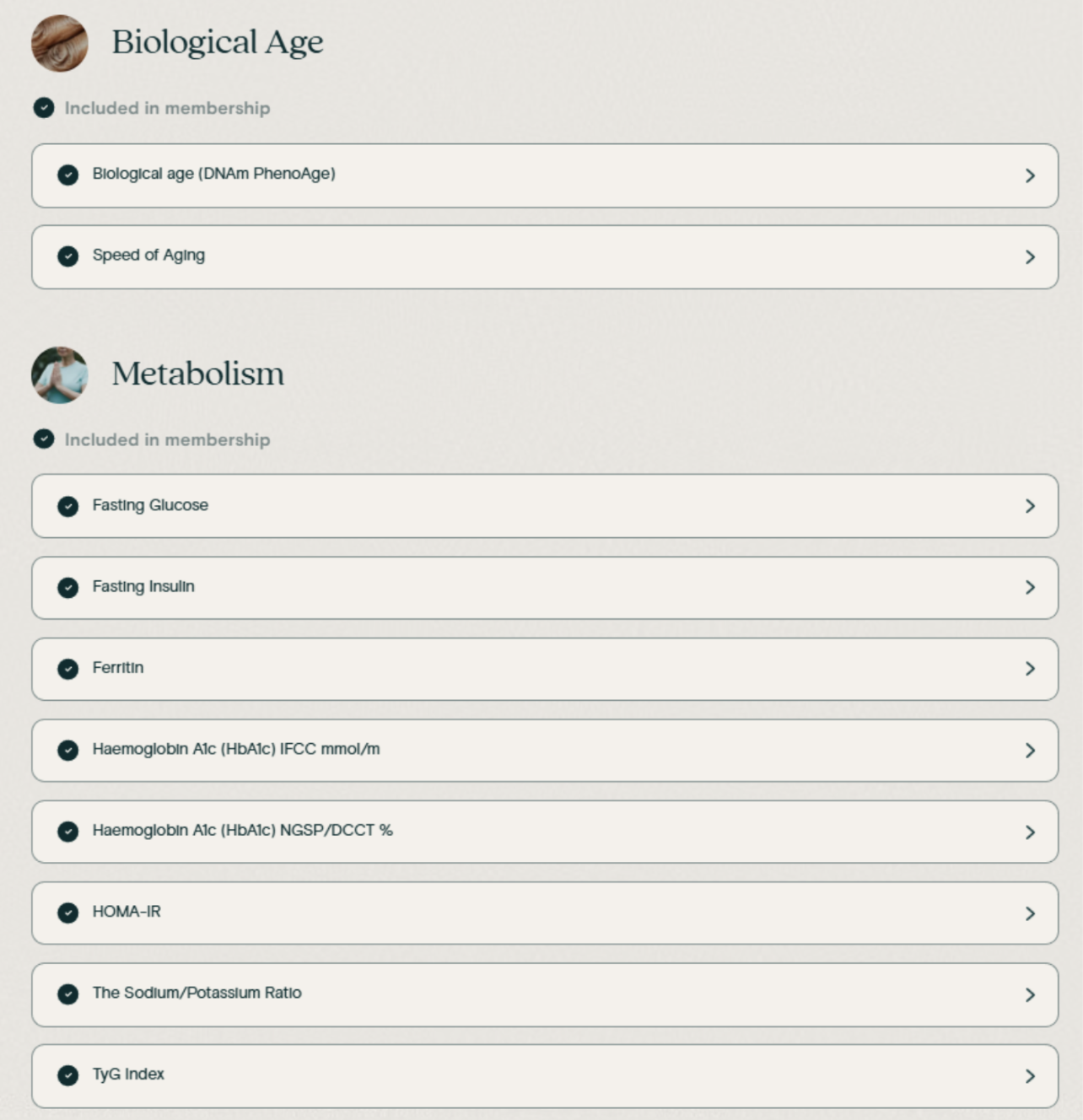
It's grouped into ten areas rather than dumped out as one long list, which made a lot more sense to me than I expected:
Healthy ageing. Biological age and speed of ageing.
Energy and metabolic regulation. Fasting glucose, fasting insulin, HbA1c, HOMA-IR, TyG index and the ratios that go with them.
Blood, oxygen and iron transport. Haemoglobin, haematocrit, red blood cell count, MCV, MCH, MCHC, red cell distribution width, platelets.
Cardiovascular. Total cholesterol, LDL, HDL, non-HDL, triglycerides, and the ratios that tell you more than the individual numbers do, including atherogenic index of plasma.
Immune function. White cell count, neutrophils, lymphocytes, monocytes, eosinophils, basophils, and the neutrophil-to-lymphocyte ratio.
Systemic inflammation. High-sensitivity CRP, CRP/albumin ratio, systemic inflammation index, ferritin/CRP ratio.
Kidney function. Creatinine, urea, eGFR, sodium, potassium, chloride, bicarbonate, anion gap.
Liver health. ALT, AST, GGT, ALP, bilirubin, albumin, globulin, total protein.
Thyroid. TSH.
Nutrients. Iron, ferritin, transferrin, transferrin saturation, TIBC, magnesium, phosphate, vitamin D.
That's the whole thing. And here's what I'd tell anyone hovering: go and read it properly before you buy, because some of what you're wondering about is in there and some isn't. B12, for instance, isn't part of the standard panel.
I would much rather know that upfront than find out afterwards. The fact that it's all listed plainly, rather than hidden behind a number, was the first thing that made me trust it.
This is the one I argued with myself about longest, and I suspect it's the one most people quietly decide on without ever commenting.
Because yes. You can walk into a bulk billing GP, ask for bloods, and pay nothing.
I've done it. Twice. Both times I got a phone call about a week later that lasted ninety seconds and consisted of the word "normal".
What I eventually worked out is that those two things are not the same product.
A standard panel is built to catch disease. Its normal range is drawn deliberately wide, because its job is to find the people who are unwell and let everybody else go. You can sit inside that range and be nowhere near well, and nothing in that system is designed to notice.
The other difference is how few markers you actually get. A standard panel is the quick ten or fifteen. This is seventy-odd, including the ratios, which is where a lot of the useful information sits.
What I was paying for wasn't the blood draw. It was somebody looking at the whole picture at once, against what's actually optimal rather than what's merely not-disease, and then telling me what to do about it.
That's the bit a ten minute appointment has never included for me. Not because my GP is bad. Because that isn't what the appointment is for.
I genuinely could not picture the mechanics of this, and I notice plenty of people ask the same thing. Is somebody coming to my house. Is it a finger prick. Is it a kit in the post.
None of the above.
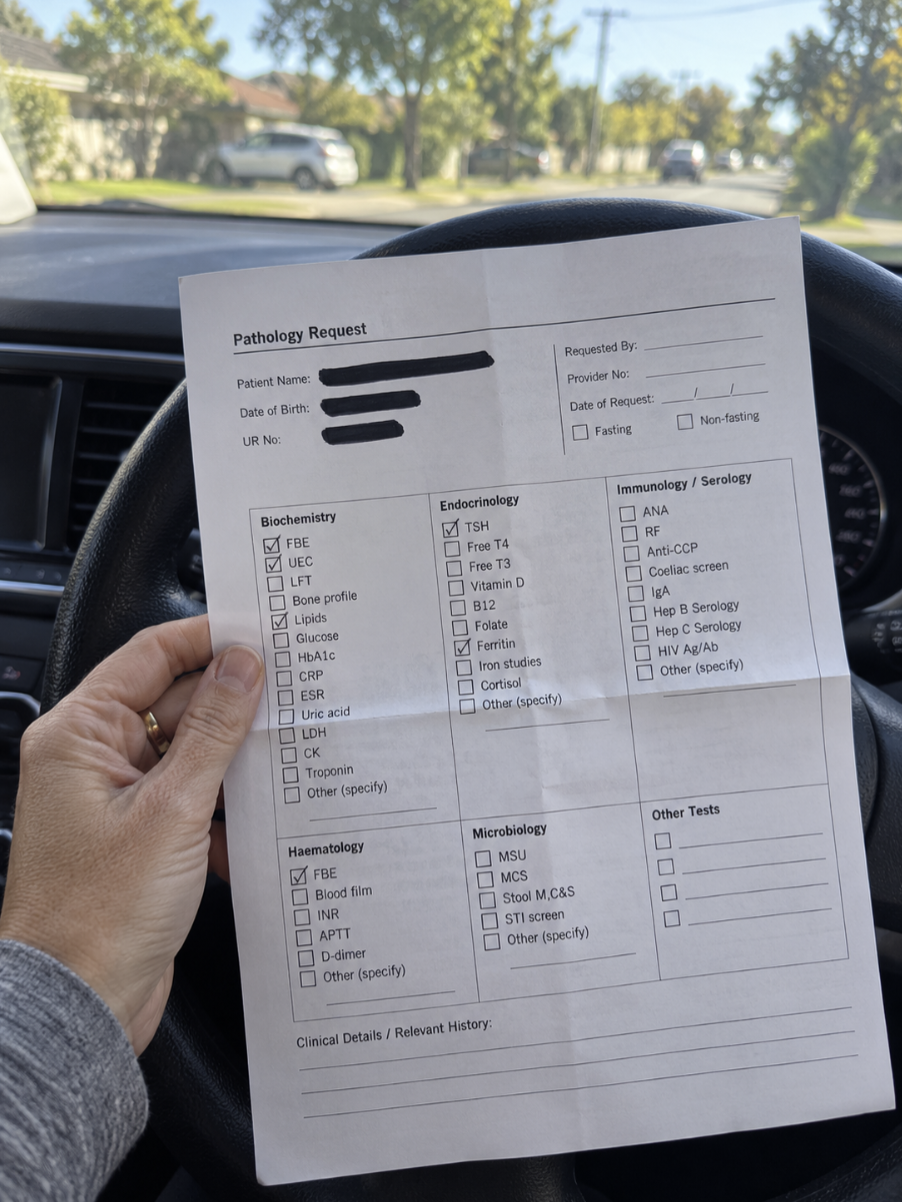
You sign up, and Vively arranges your referral through their GP network. Mine came through the same day.
Then you take it to a pathology collection centre. There are more than 4,000 of them in Australia, the ordinary ones already in your suburb, including Laverty, Abbott, Australian Clinical Labs and 4cyte. You have your blood taken the way you always have. It takes minutes.
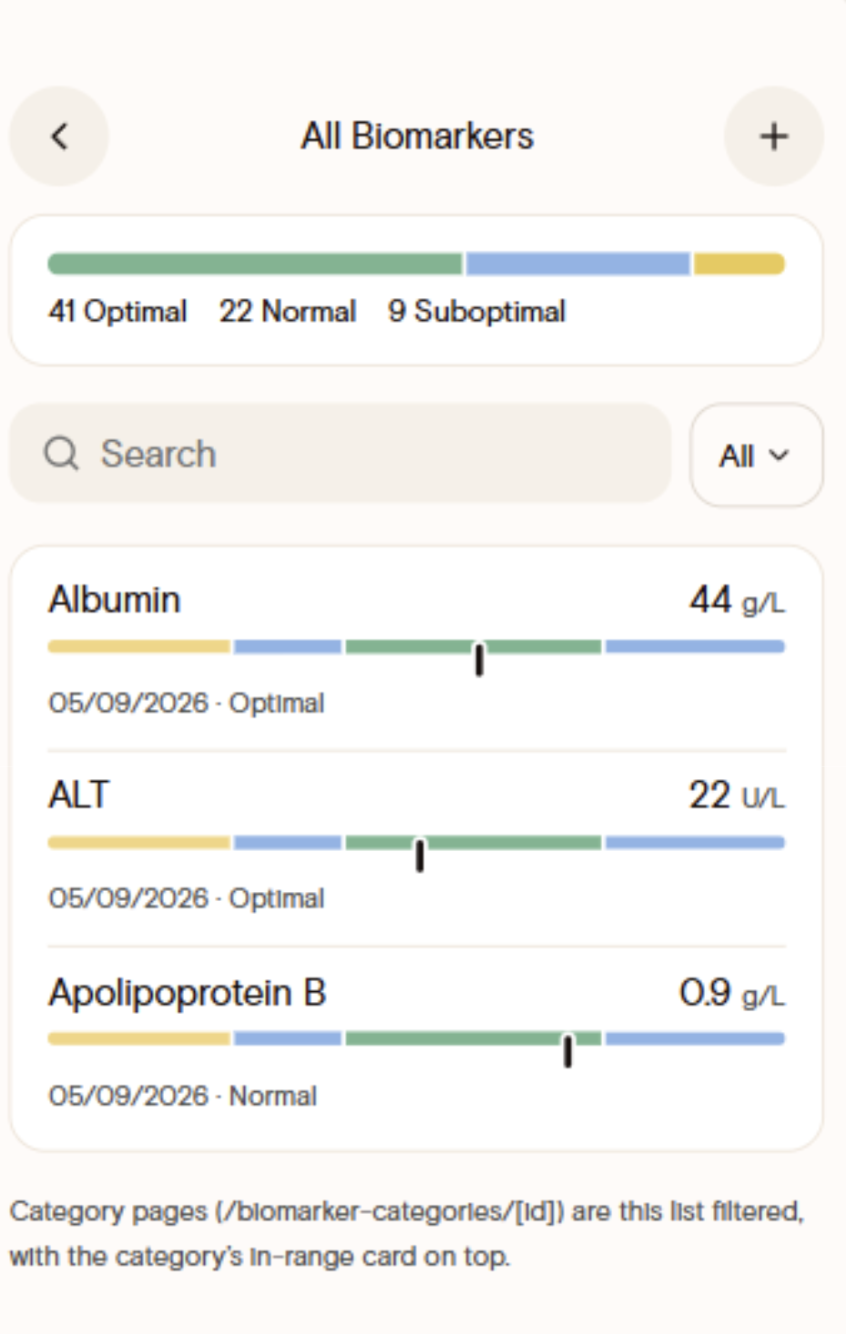
Your results land in the app a few days later.
That's it. Same chairs, same people, same slightly awkward small talk.
I don't know why nobody says this plainly, because the moment I understood it the whole thing stopped feeling strange. It isn't a new medical procedure. It's the normal one, with somebody actually reading the results properly afterwards.
This one mattered to me more than the markers did, and "a registered health professional" told me nothing. It's the kind of phrase you reach for when the real answer isn't great.
The real answer is a dietitian that's actually trained in understanding this optimal health framework.
A highly trained dietitian goes through your results with you and explains what they mean. Not a summary email. Not a PDF with some colours on it. An actual conversation where you can ask why a number matters and what you're meant to do about it.

I've had results before. What I'd never had was somebody with the training to interpret them sitting there while I asked my questions.
And the ongoing part matters too. You get a 90-day plan built around what your results actually showed, with dietitian support across the full ninety days, rather than a document you read once and forget.
I'll admit I expected to be fobbed off on this one.
It's the question I see asked most and answered least. Who owns the results. Is it being sold. Does it end up on MyGov. What happens to it if the company folds.
I'm not a conspiracy person. But it's my blood, and I'd like to know.
The answer, as it turns out, is short.
Your results belong to you. You can download them, share them with any health professional you like, or ask for them to be deleted entirely. Your data isn't sold or shared with advertisers, insurers or third parties. Nothing goes anywhere without you choosing to send it.
And it stays here. Australian labs, Australian servers.
That was enough for me. It's a clearer answer than I've had from most apps on my phone, and those only know what I had for lunch.
Here's where I nearly bailed, and where I suspect a lot of people do.
I thought I was buying a blood test. What you're actually joining is a membership. $99 a month.
When I worked that out, my first instinct was that I'd been tricked.
I hadn't, and once I understood why it's built that way it made sense. But I wish somebody had said it to me plainly at the start, so here it is.
One result is a snapshot. It tells you where you were on one particular Tuesday. What it can't tell you is whether anything you do next actually works.
The membership exists so you get checked again. Your day-90 retest is included. You make the changes, and three months later you look at the same numbers and find out whether you moved them. That second data point is the entire reason the first one is worth anything.
And you can cancel anyway if you’d like.
I booked in March, four months after the first ad.
Two of my numbers came back well outside optimal. Not disease. Not anything that would have flagged on a standard panel. Just two things quietly sitting where they shouldn't have been, which between them explained a fair bit of how I'd been feeling.
I had the conversation. I got a plan built around my actual results rather than a generic list. I made some changes, most of them smaller than I expected.
Ninety days later I looked again, and one of them had moved properly.
That was the part I wasn't prepared for. Not the first result. The second one. Seeing a number I'd actually shifted.
I'm still sceptical. I don't think that's a flaw.
But sceptical and stuck are two different things, and for two years I'd been calling one the other. I wasn't protecting myself by not booking. I was staying exactly where I was, and feeling clever about it.
If you're hovering over one of these ads the way I was, with a list of questions nobody's answering, you're not being difficult. You're being sensible.
Go and ask them. That's what I did, and the answers are the reason I stopped scrolling.
If you've been circling this for months because nobody's answered your questions properly, that's fair enough. The answers are all above, and none of them are hidden.
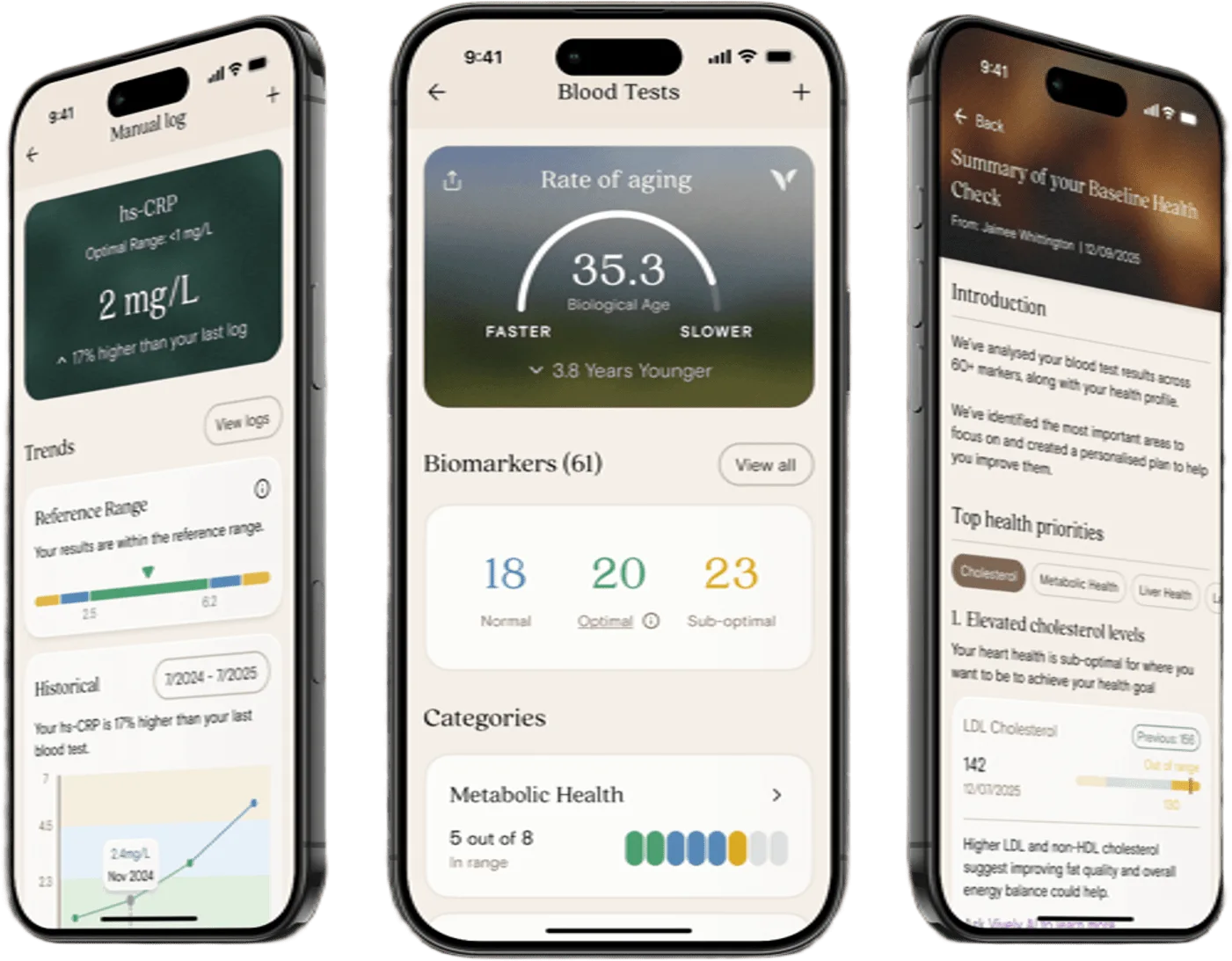
It starts with a Baseline Health Check, $99, across 70+ markers, with a GP who goes through exactly what your results mean and what to do next. Then, because your body keeps changing, your day-90 retest is included, so you can see whether any of it is working.
You've done the wondering. Try knowing.
If you've spent months, or years, talking yourself out of how you feel, the thing that ends it isn't another supplement or an earlier bedtime. It's finding out what your body is actually doing, and then watching it change.
It starts with a Baseline Health Check, $99, across 70+ markers, with a practitioner who walks you through exactly what it means for you and what to do next. Then, because your body keeps changing, Vively re-checks you every few months, so you can see it working instead of guessing.
You've done the guessing. It didn't work. Try knowing.
.avif)

Vively is a general wellness platform and does not provide medical advice, diagnosis, or treatment. Any information, insights or guidance offered through our app, website, programs, or coaches is for educational and informational purposes only and should not be considered a substitute for professional medical advice or care. Always consult a qualified healthcare provider before making any health-related decisions.
We acknowledge the Traditional Custodians of the lands where we live and work, the Gadigal of the Eora Nation. We pay our respects to their Elders past and present.























.avif)

.svg)