What are glucose spikes?
Glucose spikes are rapid rises in blood glucose that happen after eating, especially in response to meals high in refined carbohydrates or sugar. They are a normal part of eating, but the size, speed and frequency of your spikes matter more than the fact that they happen at all. Very large or repeated spikes can quietly stress your metabolism over time, even in people whose fasting glucose and HbA1c look normal.
Glucose spikes are best measured using a continuous glucose monitor (CGM), a small wearable sensor that tracks your glucose in real time throughout the day and night. This gives a much richer picture of your metabolism than a single blood test. You can read more in our article on continuous glucose monitoring for non-diabetics.
Why do glucose spikes matter for long-term health and wellbeing?
Frequent, large glucose spikes have been linked with oxidative stress, inflammation, insulin resistance and higher long-term cardiovascular risk, even when average blood sugar looks fine. Over time, this can contribute to type 2 diabetes, metabolic syndrome, non-alcoholic fatty liver disease, PCOS, cognitive decline and unwanted weight changes. Because spikes can happen years before fasting glucose or HbA1c rises, they are an early and highly actionable signal.
Beyond long-term risk, glucose spikes shape how you feel day to day. Big peaks are often followed by sharp dips, which can drive energy crashes, hunger, sugar cravings, brain fog, headaches, sleep problems and mood changes. Tracking your responses gives clear insight into what is affecting your metabolism, and glucose data is one of the key inputs Vively uses in its baseline health testing.
What is an ideal post-meal glucose response?
There is no single perfect number, but broadly, Australian guidance considers a fasting glucose under 5.5 mmol/L and a 2-hour post-meal glucose under 7.8 mmol/L as within a healthy non-diabetic range. On CGM, many clinicians and researchers use tighter targets for non-diabetics, aiming for post-meal peaks to stay under 7.8 mmol/L and often under 6.7 to 7.0 mmol/L where possible, with a gentle rise and fall rather than a sharp spike.
The rise from baseline also matters. A healthy meal response is often described as raising glucose by less than 1.7 to 2.0 mmol/L above your pre-meal value, then returning close to baseline within around two hours. Interpretation depends on your age, medications, pregnancy status, activity, sleep, stress, meal timing and other markers such as fasting insulin, HbA1c and HOMA-IR.
What influences glucose spikes?
Diet is the biggest driver, and meals high in refined carbohydrates, sugary drinks, ultra-processed foods and low fibre tend to produce the largest spikes. The order in which you eat foods also matters, since starting a meal with protein, healthy fats and vegetables before carbohydrates tends to reduce the size of the spike. Portion size, meal frequency and how well a meal is combined all shape your response.
Beyond food, sleep, stress, physical activity, hormones and gut health strongly influence how your body handles glucose. Poor sleep, chronic stress and sedentary behaviour tend to increase spikes, while regular movement, particularly a short walk after eating, tends to reduce them. Illness, infection, medications (including corticosteroids and some antipsychotics), pregnancy, menstrual cycle phase and PCOS can also affect your glucose response, as covered in our article on how stress affects blood sugar levels.
What are the symptoms of frequent glucose spikes?
Not everyone notices symptoms, particularly early on, which is one reason CGM is so useful. When symptoms do appear, they often include fatigue or drowsiness after meals, energy crashes an hour or two after eating, strong sugar or carbohydrate cravings, brain fog, difficulty concentrating, headaches, mood changes and hunger returning quickly after eating. Some people notice heart palpitations, sweating or shakiness after big meals.
Over time, patterns of frequent spikes can contribute to weight gain around the middle, sleep issues, worsening PMS symptoms and reduced tolerance for exercise. Because these symptoms overlap with many other conditions, CGM data can give clarity that self-observation alone cannot. Symptoms are a useful starting point, not a diagnosis.
What causes frequent glucose spikes?
The most common driver is a combination of diet and metabolic health. Diets high in refined carbohydrates, sugary drinks, ultra-processed foods, low fibre and low protein tend to produce large spikes, and this is often amplified by underlying insulin resistance, PCOS, metabolic syndrome, prediabetes, type 2 diabetes or fatty liver disease. Our article on how to tell if you are insulin resistant explores this closely related pattern in more detail.
Poor sleep, chronic stress, sedentary behaviour, medications (including corticosteroids, some antipsychotics and some diuretics), infections and pregnancy can all raise post-meal glucose. Hormonal shifts across the menstrual cycle and menopause can also change how you respond to the same meal. In some people, genetics and gut microbiome differences play a significant role too.
Can glucose spikes cause glucose crashes?
Yes. Big spikes are often followed by sharp dips, sometimes called reactive hypoglycaemia, where glucose falls quickly (and sometimes below your baseline) an hour or two after eating. This tends to trigger hunger, cravings, fatigue, brain fog, irritability and low energy, driving the temptation to snack again on quick carbohydrates and starting the cycle over.
Reactive lows are usually a metabolic response rather than a serious clinical condition, and they typically improve with the same changes that reduce spikes in the first place: prioritising protein, fibre and healthy fats, reducing refined carbohydrates and sugary drinks, walking after meals, sleeping well and managing stress. However, persistent or symptomatic hypoglycaemia should always be reviewed by your GP, since it can occasionally reflect other issues.
What does it mean if glucose spikes are outside the optimal range?
Frequent, large or prolonged glucose spikes suggest your body is having to work harder to keep blood sugar stable, and often point to insulin resistance, metabolic strain or lifestyle factors that are worth addressing. They do not diagnose diabetes on their own, but they can flag risk years before fasting glucose or HbA1c drift into the pre-diabetes or diabetes range. This is what makes CGM so useful as a preventative tool.
A single high reading does not mean much on its own. What matters is the pattern over days and weeks, alongside your other blood tests, symptoms, lifestyle and health history. Very high spikes, particularly with symptoms such as extreme thirst, frequent urination or unexplained weight loss, should be reviewed by your GP.
Can fasting glucose and HbA1c be normal but glucose spikes still be a problem?
Yes, this is one of the most important reasons CGM is valuable. Fasting glucose measures a single point in time, and HbA1c reflects an average across two to three months, so both can look "normal" even when someone has significant post-meal spikes and crashes throughout the day. This pattern, sometimes called glycaemic variability or postprandial hyperglycaemia, has been linked with cardiovascular risk and diabetes progression independent of HbA1c.
CGM captures the day-to-day patterns that traditional blood tests miss, showing how specific meals, timing, sleep, stress and movement affect your glucose in real time. This context makes glucose spikes far more actionable than average numbers alone. Our article on continuous glucose monitoring for non-diabetics explains this in more depth.
What other markers should be checked alongside glucose spikes?
Fasting glucose, HbA1c and fasting insulin are the standard blood tests that pair well with CGM data, since together they give a fuller picture of your metabolic health. HOMA-IR, a calculated index using fasting glucose and insulin, adds insight into insulin resistance, and lipids (particularly triglycerides and HDL cholesterol) round out cardiometabolic risk. High triglycerides and low HDL commonly appear alongside frequent glucose spikes.
Liver enzymes such as ALT and GGT can flag fatty liver disease, hs-CRP captures low-grade inflammation, and uric acid often rises with metabolic syndrome. In women, androgens such as testosterone, SHBG and free androgen index add insight if PCOS is suspected, and cortisol testing can help clarify stress-related patterns. Blood pressure, waist circumference and family history are also essential context, and you can see the full set of markers Vively looks at through our tests page and shop tests page.
How can you reduce glucose spikes to a healthier level?
Simple food strategies often make a big difference. Building meals around protein, vegetables, legumes, whole grains and healthy fats, while reducing sugary drinks, refined carbohydrates and ultra-processed foods, tends to lower spikes significantly. Eating protein, fibre and healthy fats before carbohydrates in a meal, and avoiding eating carbs on their own, also softens the response.
Beyond food, a 10 to 20 minute walk after meals is one of the most effective interventions for reducing spikes. Prioritising 7 to 9 hours of quality sleep, managing stress, avoiding late-night meals, staying well hydrated and building consistent movement (both aerobic and strength training) all support healthier glucose patterns. Vively's how it works page explains how CGM, blood testing and dietitian coaching combine to make change practical and personal.
When do glucose spikes need medical review?
See your GP if you have persistent or severe spikes on CGM, symptoms such as excessive thirst, frequent urination, unexplained weight loss, blurred vision, recurrent infections or ongoing fatigue, or if your fasting glucose or HbA1c also fall into the pre-diabetes or diabetes range. A family history of type 2 diabetes, PCOS, gestational diabetes, cardiovascular disease, PCOS or fatty liver disease, or being Aboriginal or Torres Strait Islander, all raise the importance of monitoring and clinical follow-up.
Clinical review is also important during pregnancy or when planning pregnancy, with a history of gestational diabetes, and when starting or changing medications that affect glucose. Any persistent or symptomatic hypoglycaemia after meals should be discussed with a clinician. Glucose spikes should never be self-diagnosed as diabetes or any other condition, since they are one piece of a bigger clinical picture your GP or accredited practising dietitian can help you interpret.
How does Vively help you understand glucose spikes?
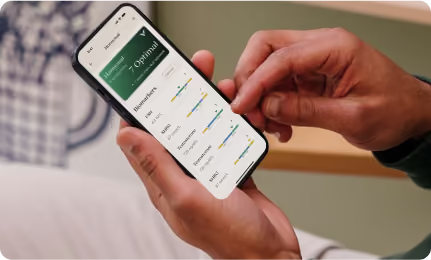
Vively was built around continuous glucose monitoring for non-diabetics, and the platform combines CGM data with meal, movement, sleep and stress inputs to help you see exactly what is driving your glucose patterns in real time. This is paired with the Vively Baseline Health Check, which includes fasting glucose, HbA1c, fasting insulin, HOMA-IR, lipids, liver enzymes, inflammation markers and more than 60 other biomarkers, so your CGM data is interpreted alongside your bigger metabolic picture.
An accredited practising dietitian reviews your results with you one on one, helping you understand what they mean and what changes may support your health goals. Because your markers and glucose patterns are tracked over time, you can see how nutrition, movement, sleep and stress are actually shifting your metabolism rather than guessing. Start at the Vively homepage or explore the full range of tests in the Vively shop.
References
- Diabetes Australia. Blood glucose monitoring. https://www.diabetesaustralia.com.au/managing-diabetes/blood-glucose-monitoring/
- Healthdirect Australia. Blood glucose test. https://www.healthdirect.gov.au/blood-glucose-test
- Better Health Channel, Victorian Department of Health. Diabetes type 2. https://www.betterhealth.vic.gov.au/health/conditionsandtreatments/diabetes-type-2
- Royal Australian College of General Practitioners. Management of type 2 diabetes: A handbook for general practice. https://www.racgp.org.au/clinical-resources/clinical-guidelines/key-racgp-guidelines/view-all-racgp-guidelines/management-of-type-2-diabetes
- Australian Institute of Health and Welfare. Diabetes: Australian facts. https://www.aihw.gov.au/reports/diabetes/diabetes/
- Ceriello A, Colagiuri S. International Diabetes Federation guideline for management of postmeal glucose: a review of recommendations. Diabetic Medicine. 2008;25(10):1151 to 1156.
- Battelino T, Danne T, Bergenstal RM, et al. Clinical targets for continuous glucose monitoring data interpretation: recommendations from the international consensus on time in range. Diabetes Care. 2019;42(8):1593 to 1603.
- Monnier L, Mas E, Ginet C, et al. Activation of oxidative stress by acute glucose fluctuations compared with sustained chronic hyperglycemia in patients with type 2 diabetes. JAMA. 2006;295(14):1681 to 1687.
- Hall H, Perelman D, Breschi A, et al. Glucotypes reveal new patterns of glucose dysregulation. PLoS Biology. 2018;16(7):e2005143.
- Zeevi D, Korem T, Zmora N, et al. Personalized nutrition by prediction of glycemic responses. Cell. 2015;163(5):1079 to 1094.
- World Health Organization. Use of glycated haemoglobin (HbA1c) in the diagnosis of diabetes mellitus. https://www.who.int/publications/i/item/use-of-glycated-haemoglobin-(-hba1c-)-in-the-diagnosis-of-diabetes-mellitus
- Cleveland Clinic. Postprandial (reactive) hypoglycemia. https://my.clevelandclinic.org/health/diseases/24905-reactive-hypoglycemia
- Mayo Clinic. Reactive hypoglycemia: What causes it? https://www.mayoclinic.org/diseases-conditions/diabetes/expert-answers/reactive-hypoglycemia/faq-20057778
- National Institute of Diabetes and Digestive and Kidney Diseases. Diabetes tests and diagnosis. https://www.niddk.nih.gov/health-information/diabetes/overview/tests-diagnosis





















.avif)


.svg)