What is glucose variability?
Glucose variability is the measure of how much your blood glucose levels rise and fall across a given period. It reflects the stability of your energy supply rather than your average glucose level alone, providing a deeper view of how well your metabolism adapts to food, movement, and stress.
Why does it matter for long-term health and wellbeing?
Stable glucose levels help sustain energy, focus, and metabolic balance. Reducing glucose fluctuations may support more consistent energy throughout the day, fewer energy dips, and improved overall metabolic performance — key factors in long-term wellbeing and vitality.
What’s an optimal level of glucose variability?
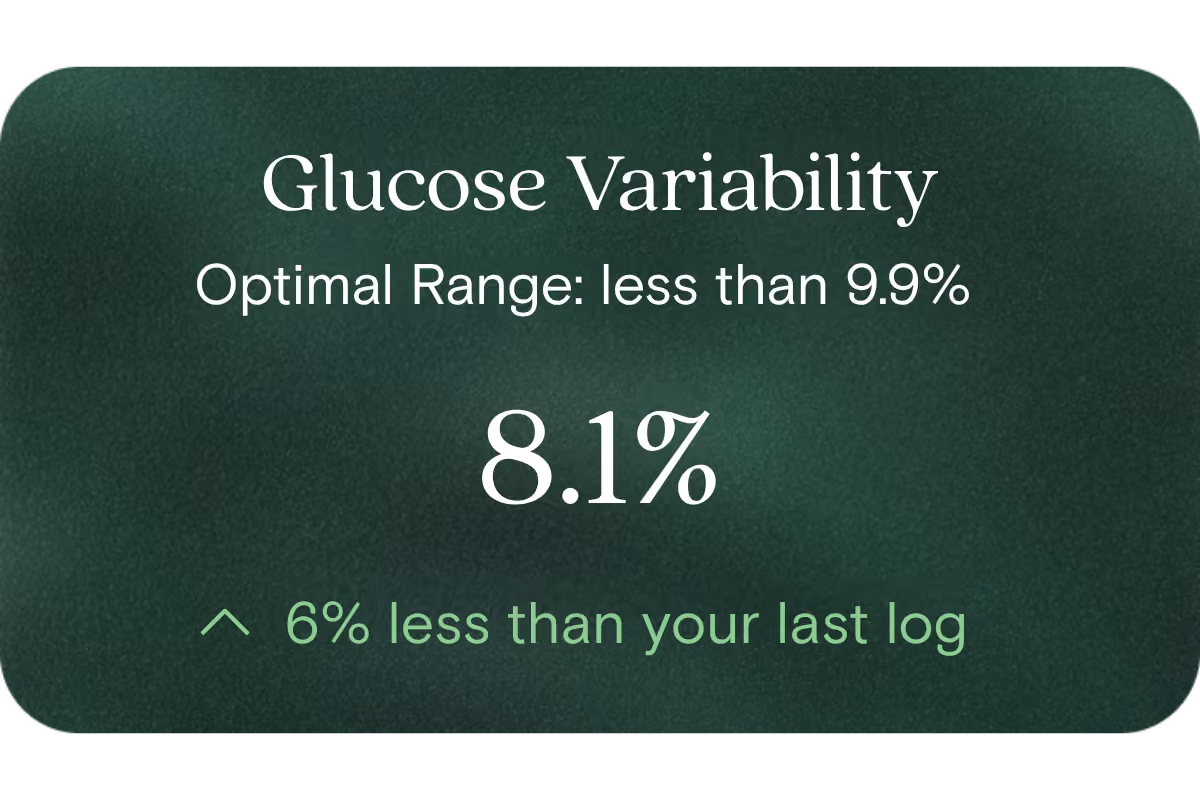
Vively’s optimal range is less than 9.9%, representing tightly regulated glucose stability.
Typical Australian reference ranges are:
- 20% = more than 25% (Pay attention)
- 40% = 20–24.9% (Sub-optimal)
- 60% = 15–19.9% (Good)
- 80% = 10–14.9% (Great)
- 100% = less than 9.9% (Optimal)
What influences glucose variability levels?
Several lifestyle factors can affect GV, including meal composition, portion size, physical activity, sleep quality, and stress management. Processed foods high in refined carbohydrates or irregular eating patterns may increase variability, while balanced meals, regular exercise, and good sleep habits can promote steadier glucose control.
What does it mean if glucose variability is outside the optimal range?
Higher glucose variability may indicate inconsistent energy regulation, often linked to diet quality, stress, or disrupted sleep patterns. While it doesn’t diagnose a condition, it highlights an opportunity to adjust your lifestyle for more stable energy and improved metabolic efficiency.
How can I support healthy glucose variability levels?
You can improve GV by maintaining consistent meal times, prioritising whole foods rich in fibre and protein, staying physically active, managing stress, and ensuring good sleep. Tracking your glucose trends with a CGM helps identify which habits best support stable energy throughout the day.
This information is provided for general health and wellness purposes only and does not replace medical advice.
References
- The diaTribe Foundation. (2018, October 10). Understanding average glucose, standard deviation, CV, and blood sugar variability.
- Australian Government Department of Health. The Australian Dietary Guidelines. (2013)
- Harvard T.H. Chan School of Public Health. Carbohydrates and Blood Sugar. The Nutrition Source.
- Australian Institute of Health and Welfare (AIHW). (2023). Australia’s health 2023: lifestyle and risk factors.






















.avif)


.svg)