What is N2 Light-Deep?
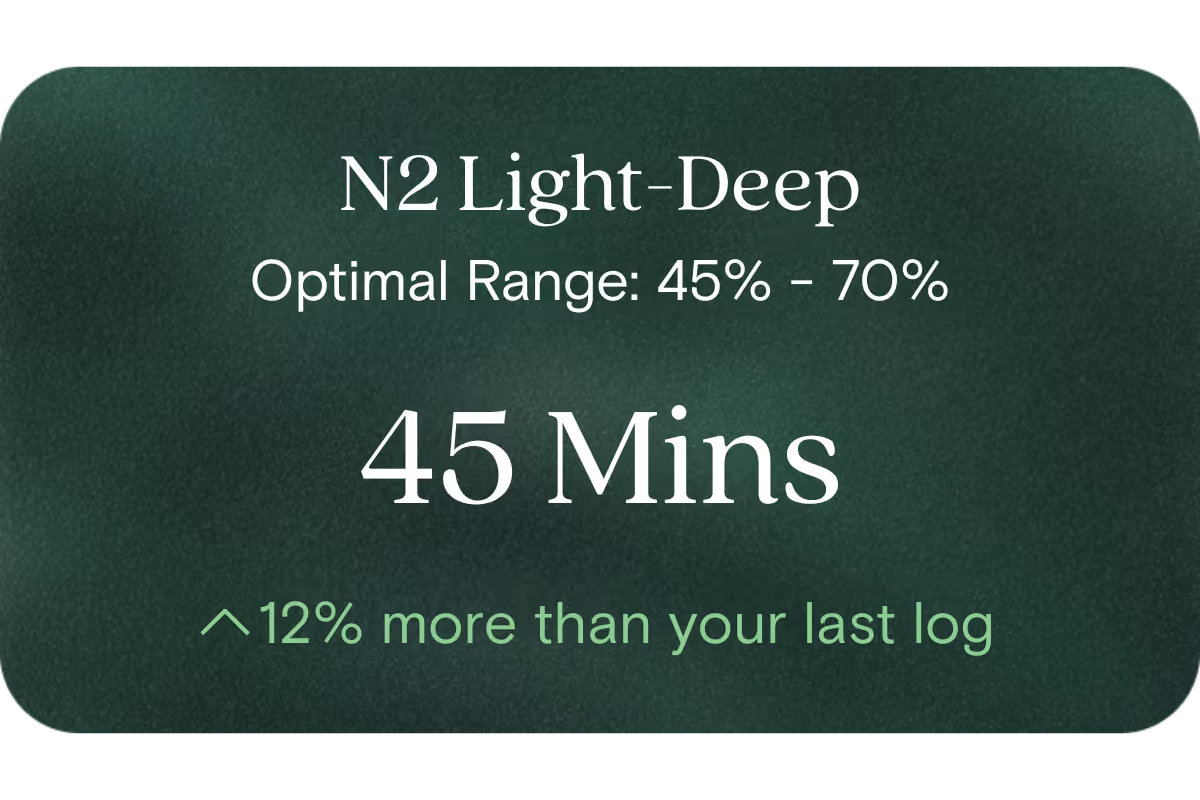
N2 Light-Deep is the middle stage of non-REM sleep, marking the transition from light to deep rest. It’s when your body and brain slow down — muscle activity reduces, heart rate steadies, and brain waves begin to synchronise — setting the groundwork for restorative deep sleep.
Why does it matter for long-term health and wellbeing?
This stage supports essential recovery processes that influence energy metabolism, memory, and mood regulation. Balanced N2 sleep helps maintain resilience, ensuring your body wakes restored and ready for daily performance.
What’s an optimal level of N2 Light-Deep?
The optimal proportion of N2 Light-Deep sleep is between 45% and 70% of total sleep time (100%).
Typical Australian reference levels include:
- <45% or >39% or >70% but <75% = 80% (Very good)
- <40% or >30% or >75% but <80% = 60% (Good)
- <30%–20% or >80% but <85% = 40% (Sub-optimal)
- <20% or >85% = 20% (Pay attention)
What influences N2 Light-Deep levels?
Several factors can affect N2 duration, including bedtime consistency, caffeine or alcohol intake, stress, room temperature, and exposure to screens or bright light before bed. Exercise timing and meal patterns also play a role in regulating this sleep phase.
What does it mean if N2 Light-Deep is outside the optimal range?
Spending too little or too much time in N2 sleep can indicate that your sleep cycle is imbalanced. This may reflect lifestyle patterns—like irregular sleep schedules or late-night stimulation—that disrupt the natural flow between light and deep sleep.
How can I support healthy N2 Light-Deep levels?
Establish a consistent bedtime routine, limit caffeine after midday, and keep your sleep environment dark and cool. Avoid heavy meals and screens close to bedtime, and aim for regular physical activity during the day. Tracking your sleep patterns through Vively helps you understand how daily habits influence your N2 phase and where to adjust for improvement.
This information is provided for general health and wellness purposes only and does not replace medical advice.
References
- Carskadon, M. A., & Dement, W. C. (2005). Normal human sleep: An overview. In Principles and Practice of Sleep Medicine (4th ed.). Elsevier.
- Hirshkowitz, M. (2004). Normal human sleep: an overview. Medical Clinics of North America, 88(3), 551–565.
- Walker, M. (2017). Why We Sleep: Unlocking the Power of Sleep and Dreams. Scribner / Simon & Schuster.


















.avif)


.svg)