What is the Omega-3 index?
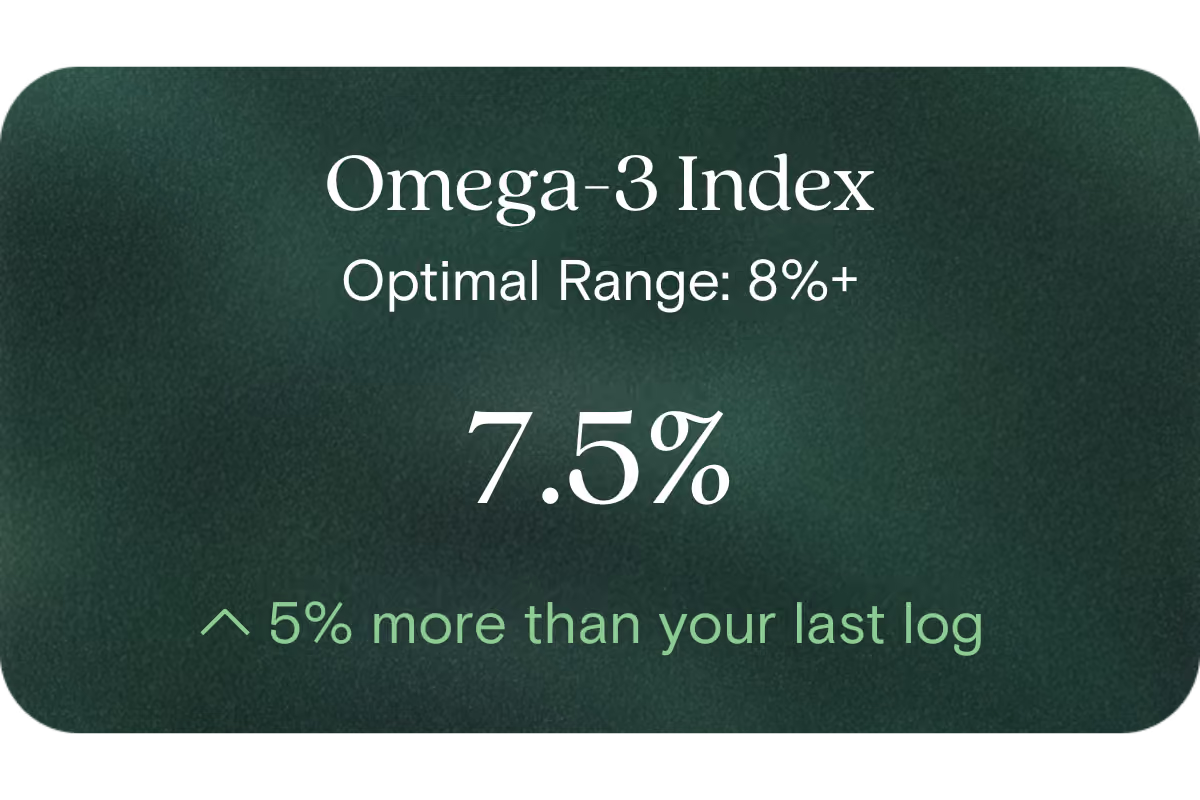
The Omega-3 index is the percentage (%) of the long-chain omega-3 fats EPA and DHA found in your red blood cells. It reflects your longer-term intake and balance of these essential fats.
Why does it matter for long-term health and wellbeing?
Omega-3 fats help support cell structure, energy balance, cognitive function, and overall physiological resilience. A healthy omega 3 fatty acid index can contribute to better performance, steadier energy, and long-term wellbeing.
What’s an optimal level of the Omega-3 index?
The typical laboratory reference range is 4 to 8%, while the optimal range for supporting long-term health is generally considered 8% and above.
What influences Omega-3 index levels?
Your dietary intake of oily fish, seafood, algae-based foods, omega-3 supplements, and your balance of omega-3 to omega-6 fats all play major roles. Lifestyle factors such as alcohol intake, stress, and overall eating patterns may also influence this marker.
What does it mean if the Omega-3 index is outside the optimal range?
A lower reading may indicate that your current omega-3 intake is not sufficient to support your long-term health goals. Readings above the optimal range may reflect higher intake. Either way, it provides a useful reference point for refining your nutrition.
How can I support healthy Omega-3 index levels?
Including omega-3-rich foods such as salmon, sardines, trout, and other oily fish is key. For plant-forward eaters, algae-based sources can also contribute. Balancing your intake of omega-6 fatty acids and choosing whole foods over processed options may further support a healthy index.
This information is provided for general health and wellness purposes only and does not replace medical advice.
References
- Meyer, B.J. (2016). Australians are not meeting the recommended intakes for omega-3 long-chain polyunsaturated fatty acids. Nutrients, 8(3), 111.
- Meyer, B.J. (2011). The Australian experience: omega-3 fatty acid intakes and status. Prostaglandins, Leukotrienes and Essential Fatty Acids, 85(5), 271-274.
- Olsen, S.F., et al. (2014). Biomarkers of long-chain omega-3 fatty acid intake. British Journal of Nutrition, 111(8), 1656-1666.






.avif)


.svg)