What is the Omega-6 / Omega-3 Ratio?
It measures the balance between omega 3 and omega 6 ratio, two essential fatty acids that play key roles in cellular function, metabolic health, and overall wellbeing.
Why does it matter for long-term health and wellbeing?
A balanced ratio supports healthy inflammation levels, cognitive function, skin health, and general metabolic balance. It gives you a clearer picture of how your dietary fat intake is shaping long-term vitality.
What’s an optimal level of the Omega-6 / Omega-3 Ratio?
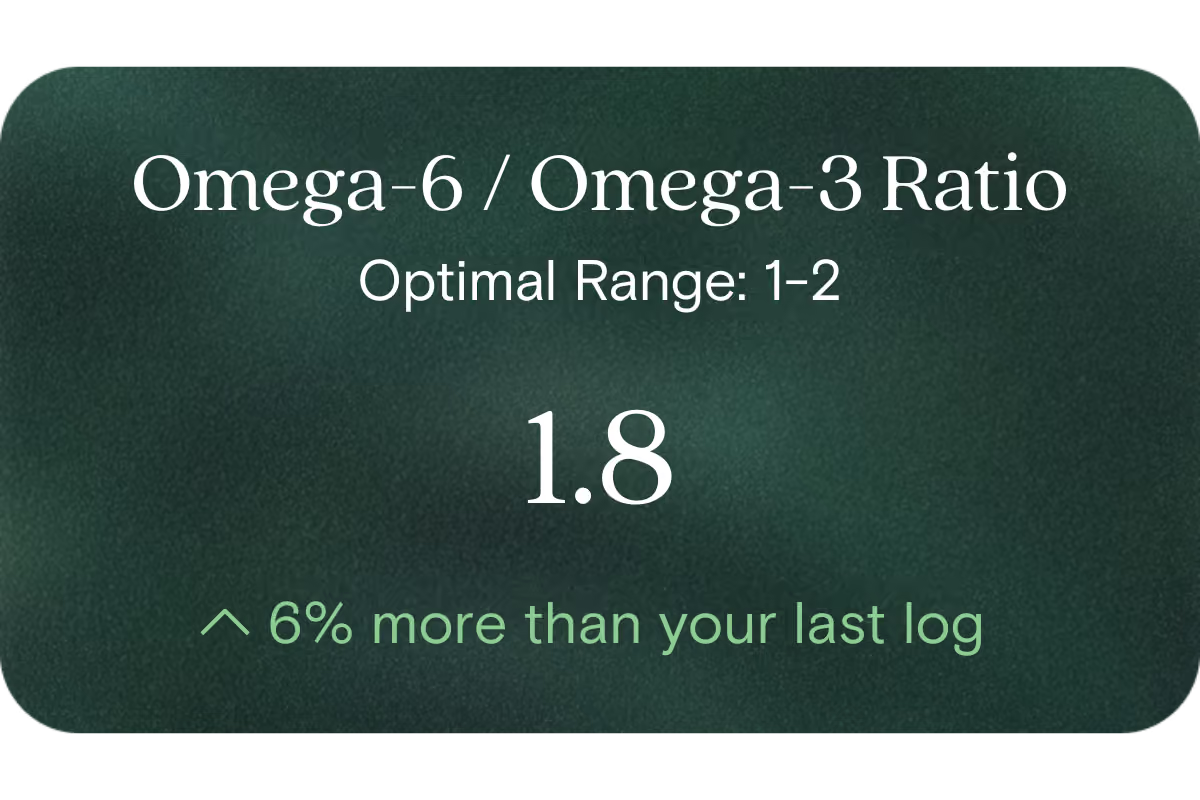
- Optimal range: 1 to 2
- Lab reference range: 1.9 to 14.6
Levels within the optimal range suggest a supportive balance of essential fats.
What influences Omega-6 / Omega-3 Ratio levels?
Food choices (especially oily fish, nuts, seeds, and ultra-processed foods) have the strongest effect. Supplements and individual absorption differences also play a role.
What does it mean if the Omega-6 / Omega-3 Ratio is outside the optimal range?
A higher ratio often reflects low Omega-3 intake, high Omega-6 intake, or both. This provides a useful prompt to reassess nutritional balance.
How can I support healthy Omega-6 / Omega-3 levels?
Increase Omega-3-rich foods (such as salmon, sardines, or algae-based options), reduce ultra-processed foods, and prioritise whole-food eating patterns.
This information is provided for general health and wellness purposes only and does not replace medical advice.
References
- Meyer, B. J. (2016). Australians are not meeting the recommended intakes for omega-3 long-chain polyunsaturated fatty acids. Nutrients, 8(3), 111.
- National Health and Medical Research Council. (2013). Australian dietary guidelines. NHMRC.
- Howe, P. R. C., Meyer, B. J., Record, S., Baghurst, K., & Clifton, P. M. (2006). Dietary intake of long-chain omega-3 polyunsaturated fatty acids: Contribution of meat sources. Nutrition, 22(1), 47-53.
- Olsen, S. F., Lauritzen, L., Michaelsen, K. F., & Straarup, E. M. (2014). Biomarkers of long-chain omega-3 fatty acid intake. British Journal of Nutrition, 111(8), 1656-1666.






.avif)


.svg)