What is Resting Heart Rate?
Resting Heart Rate (RHR) is the number of heartbeats per minute when your body is relaxed and at rest. It reflects the balance between your cardiovascular system and nervous system activity.
Why does it matter for long-term health and wellbeing?
RHR is a reliable indicator of cardiovascular fitness, recovery, and stress resilience. Maintaining a stable, lower RHR supports better energy balance, endurance, and overall wellbeing.
What’s an optimal level of Resting Heart Rate?
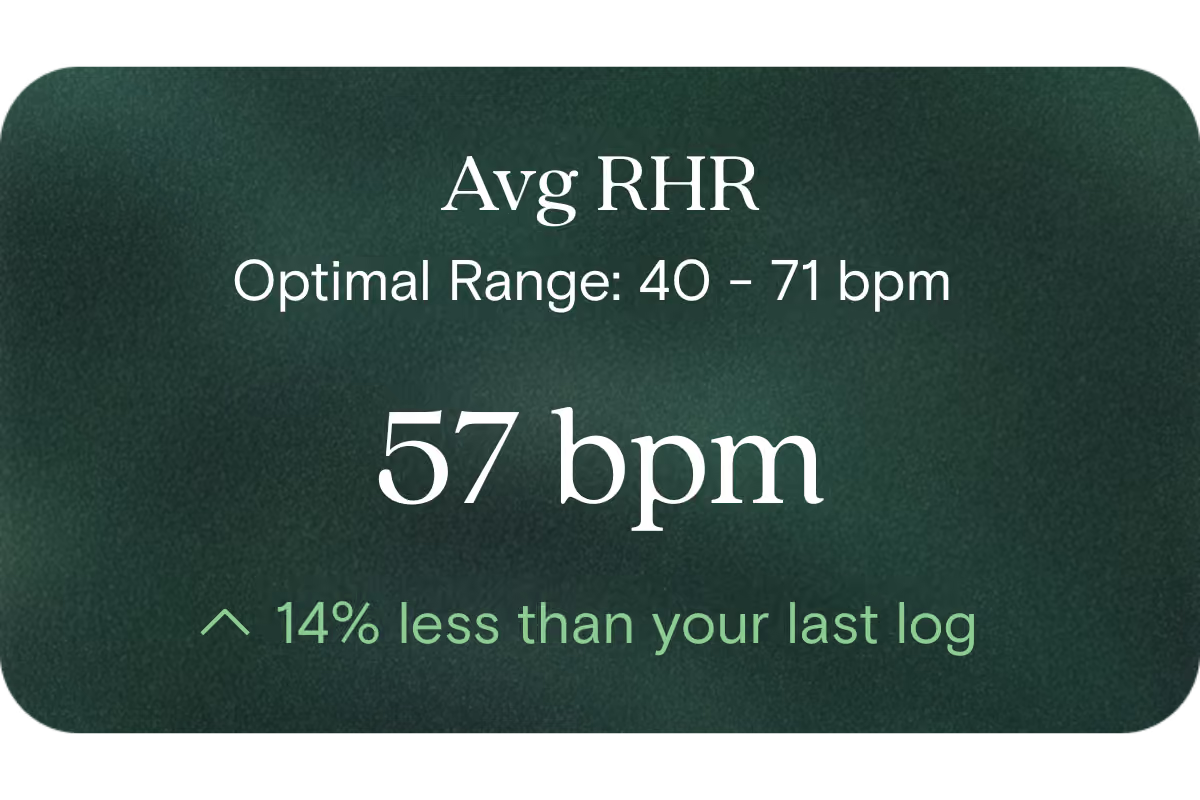
- Optimal range for wellbeing: 40–59 bpm (100%)
- Typical Australian lab reference range:
- 20% = 81–100 bpm (Pay attention)
- 40% = 76–80 bpm (Sub-optimal)
- 60% = 72–75 bpm (Good)
- 80% = 60–71 bpm (Optimal)
- 100% = 40–59 bpm (Optimal)
What influences Resting Heart Rate levels?
Several factors can affect RHR, including fitness level, sleep quality, hydration, body temperature, stress, and overall recovery. Regular physical activity, mindfulness, and balanced nutrition can help maintain an optimal range.
What does it mean if Resting Heart Rate is outside the optimal range?
If your RHR is consistently higher than usual, it may indicate that your body is under stress, fatigued, or not recovering adequately. Tracking changes over time helps you identify when to prioritise rest, hydration, or gentler exercise.
How can I support healthy Resting Heart Rate levels?
Engage in regular aerobic and strength-based exercise, maintain consistent sleep patterns, stay hydrated, and manage stress through relaxation techniques such as breathing exercises or mindfulness.
This information is provided for general health and wellness purposes only and does not replace medical advice.
References
- Singh, B., et al. (2023). Effectiveness of physical activity interventions for improving symptoms of depression, anxiety and psychological distress. British Journal of Sports Medicine.
- HCF (Australia). Do you have a healthy resting heart rate? (Advice on measurement and influencing factors).






















.avif)


.svg)