What is selenium?
Selenium is an essential trace mineral involved in antioxidant defence, thyroid hormone activation, and overall metabolic balance. Measured through a selenium test in blood and reported in µmol/L in Australia, it reflects both dietary intake and how effectively your body utilises this mineral.
Why does selenium matter for long-term health and wellbeing?
Healthy selenium levels contribute to balanced energy, immune resilience, and efficient cellular function. Monitoring it gives a clearer view of how your nutrition and lifestyle support overall metabolic steadiness.
What’s an optimal selenium level?
- Laboratory reference range: 1.1 to 2.5 µmol/L
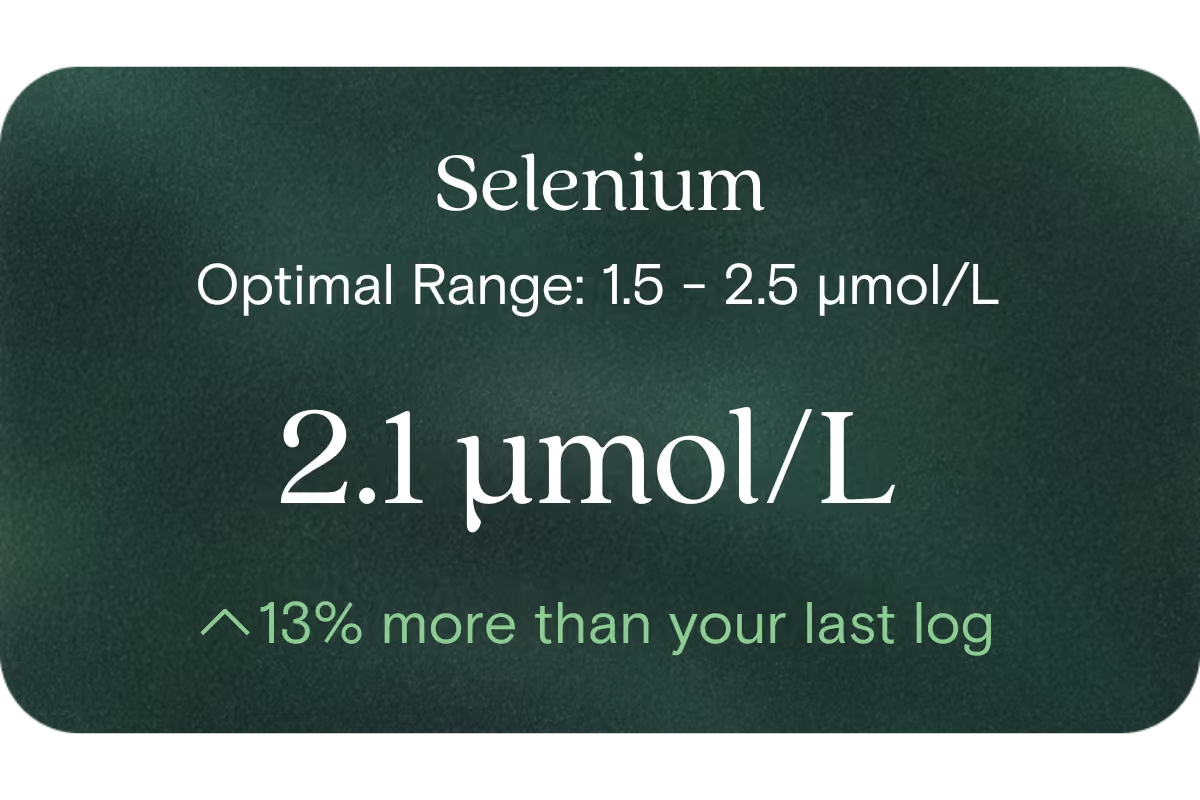
- Optimal Vively range: 1.5 to 2.5 µmol/L
Levels in this range tend to reflect sufficient intake to support antioxidant activity and stable metabolic function.
What influences selenium levels?
- Dietary intake (especially nuts, seafood, whole foods)
- Soil variability in Australian food sources
- Absorption and overall nutrient status
- Lifestyle factors that affect metabolic demand
What does it mean if selenium is outside the optimal range?
Levels below the optimal range may signal lower intake or increased nutrient demand. Higher-than-optimal levels may reflect supplementation or concentrated dietary sources. These results help guide small, proactive adjustments to maintain balance.
How can I support healthy selenium levels?
Focus on a varied whole-food diet, choose nutrient-rich sources such as nuts and seafood, and use your test results to understand whether your current intake meets your needs. Retesting helps track progress over time.
This information is provided for general health and wellness purposes only and does not replace medical advice.
References
- National Health and Medical Research Council. (2013). Australian Dietary Guidelines. NHMRC.
- National Health and Medical Research Council & Ministry of Health New Zealand. (2006, updated). Nutrient Reference Values for Australia and New Zealand: Selenium. NHMRC.
- Combs, G. F. (2015). Biomarkers of selenium status. Nutrients, 7(4), 2209-2236.
- Hurst, R., Siyame, E. W. P., Young, S. D., et al. (2013). Soil-type influences human selenium status and underlies widespread selenium deficiency risks. Proceedings of the Nutrition Society, 72(3), 435-445.






.avif)


.svg)