What is Sleep Efficiency?
Sleep efficiency measures how effectively you sleep during the time you spend in bed. It’s expressed as a percentage and calculated by dividing total sleep time by total time in bed, then multiplying by 100. Higher percentages mean most of your in-bed time is spent asleep, while lower percentages indicate more wakefulness.
Why does it matter for long-term health and wellbeing?
Efficient sleep supports energy regulation, focus, hormonal balance, and cellular recovery. When your sleep is consolidated — meaning you fall asleep quickly and stay asleep — your body can better restore physical and cognitive systems. Over time, strong sleep efficiency contributes to improved vitality, mental clarity, and overall performance in daily life.
What’s an optimal level of Sleep Efficiency?
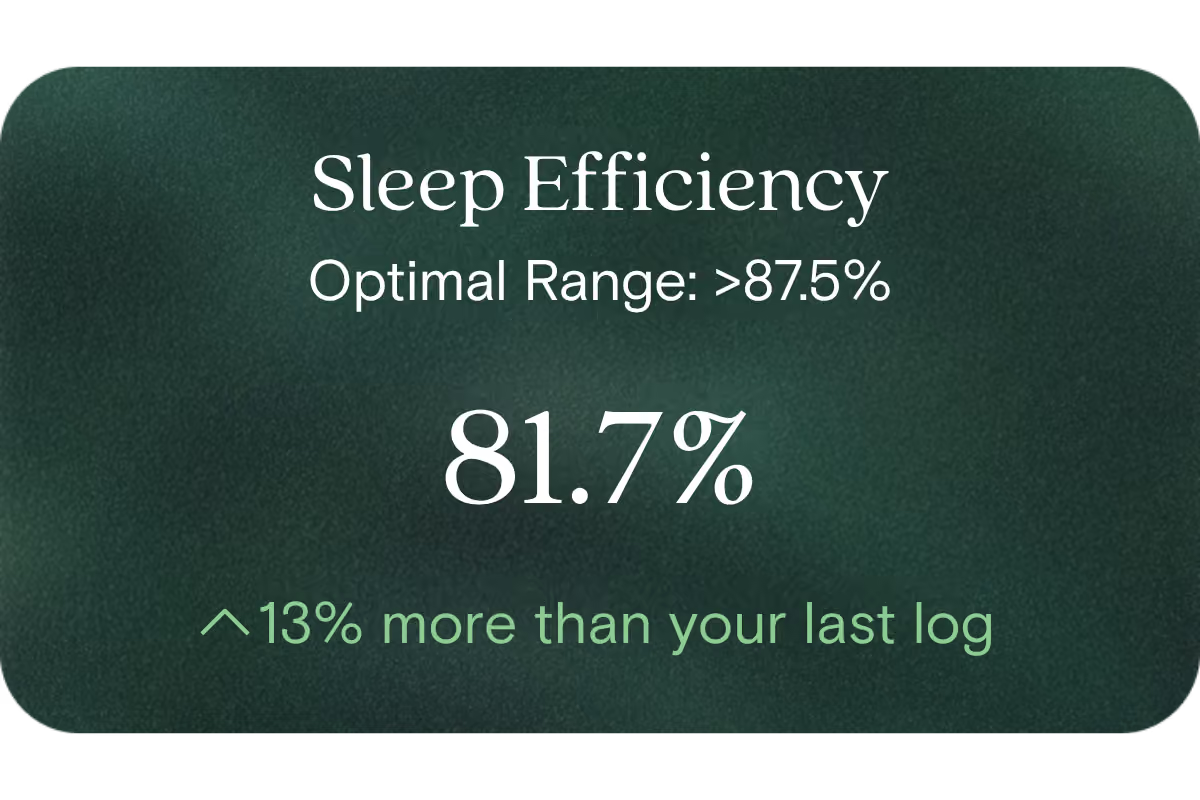
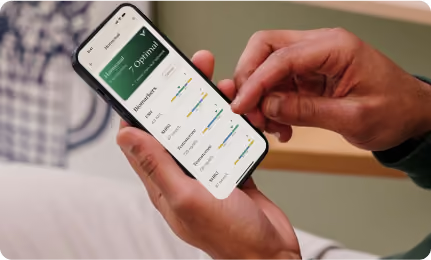
For most adults, a sleep efficiency above 87.5% is considered optimal. This reflects high-quality, consolidated rest.
Typical Australian reference range:
- < 50% Very low
- 50–60% Low
- 61–75% Moderate
- 76–87.5% Good
- 87.5% Optimal
What influences Sleep Efficiency levels?
Many factors affect how efficiently you sleep, including:
- Consistency of sleep and wake times
- Stress and emotional state
- Room temperature, lighting, and noise
- Caffeine or alcohol intake before bed
- Screen exposure in the evening
- Physical activity during the day
- Sleep environment comfort and routine habits
What does it mean if Sleep Efficiency is outside the optimal range?
If your sleep efficiency is lower than 87.5%, it suggests you’re spending a significant amount of time awake while in bed. This doesn’t necessarily indicate a health problem but may reflect lifestyle or environmental factors affecting your rest. Consistently high efficiency, on the other hand, suggests your current routine supports good-quality sleep and recovery.
How can I support healthy Sleep Efficiency levels?
- Keep a regular bedtime and wake-up schedule.
- Create a dark, cool, and quiet sleep environment.
- Avoid caffeine and alcohol within 6 hours of bedtime.
- Limit screen time and bright light exposure before sleep.
- Practise a relaxing pre-sleep routine such as light stretching or meditation.
- Get regular daylight exposure during the day to support your natural rhythm.
This information is provided for general health and wellness purposes only and does not replace medical advice.
References
- Ikeda, Y., et al. (2022). Relationships between sleep efficiency and lifestyle factors. PMC.
- Desjardins, S., et al. (2019). Factors involved in sleep efficiency: a population-based study. Sleep (Actigraphy)
- Sleep Health in Australia’s Federal Parliament House Report (2019). Sleep in Parliament Report, Sleep Health Foundation.
- The Impact of Lifestyle Factors on Sleep Efficiency and Sleep Quality. (2023). HSET / Sleep Efficiency Study.















.avif)


.svg)