What is sleep timing?
Sleep timing measures how long, on average, you wait between your last food intake and going to sleep. It reflects how well your daily habits align with your body’s natural circadian rhythm, helping you understand how timing influences recovery and energy levels.
Why does it matter for long-term health and wellbeing?
The timing of your meals and sleep plays a key role in supporting metabolic balance and energy regulation. Allowing several hours between eating and sleep gives your body time to digest, stabilise blood glucose, and prepare for restorative rest—important for maintaining consistent energy and alertness throughout the day.
What’s an optimal level of sleep timing?
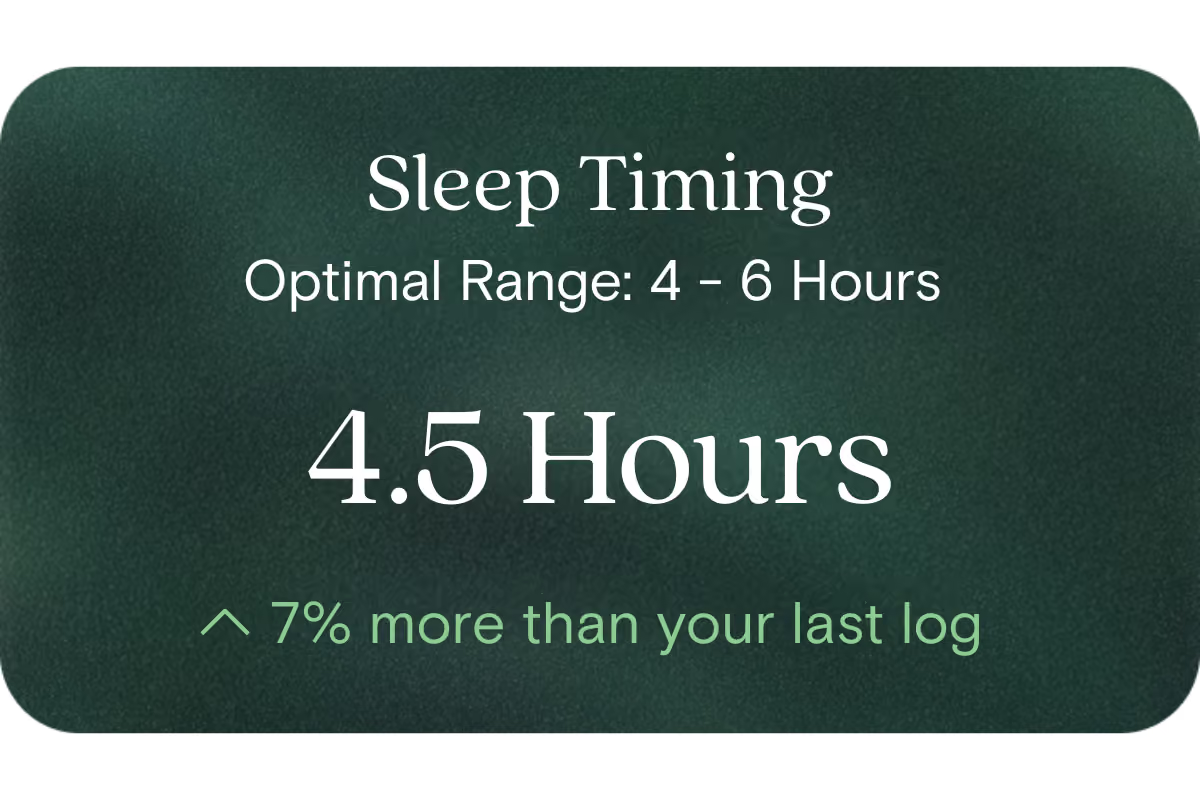
An optimal sleep timing score is 100%, representing 4–6 hours between your last meal and sleep. Typical Australian lab reference values may look like:
- 20% = <1 hour
- 40% = 1–2 hours
- 60% = 2–3 hours
- 80% = 3–4 hours
- 100% = 4–6 hours
What influences sleep timing levels?
Your daily routine has the strongest influence—particularly the timing of your dinner, caffeine intake, evening light exposure, and physical activity. Late-night meals, irregular schedules, and long work hours can shorten the gap between eating and sleeping.
What does it mean if sleep timing is outside the optimal range?
A shorter sleep timing window may indicate that your body isn’t getting enough time to digest before rest, which can influence how refreshed and energised you feel. Tracking patterns over time helps identify where small changes—like eating earlier or adjusting evening routines—could make a difference.
How can I support healthy sleep timing levels?
Try to finish your last meal at least 3–4 hours before bedtime, limit caffeine later in the day, and maintain a consistent sleep schedule. These habits promote smoother digestion and support your body’s natural recovery cycles.
This information is provided for general health and wellness purposes only and does not replace medical advice.
References
- Chaput, J. P., Dutil, C., & Sampasa-Kanyinga, H. (2018). Sleeping hours: what is the ideal number and how does age impact this? Nature and Science of Sleep, 10, 421–430.
- Australian Institute of Health and Welfare. (2023). Sleep problems as a risk factor for chronic conditions. Canberra: AIHW.
- Crowther, M. E., et al. (2025). Waking up to Australia’s Sleep Health: A national consensus statement.






















.avif)


.svg)