All Tests
/
Blood Testing
/
Transferrin
Blood Testing

Transferrin

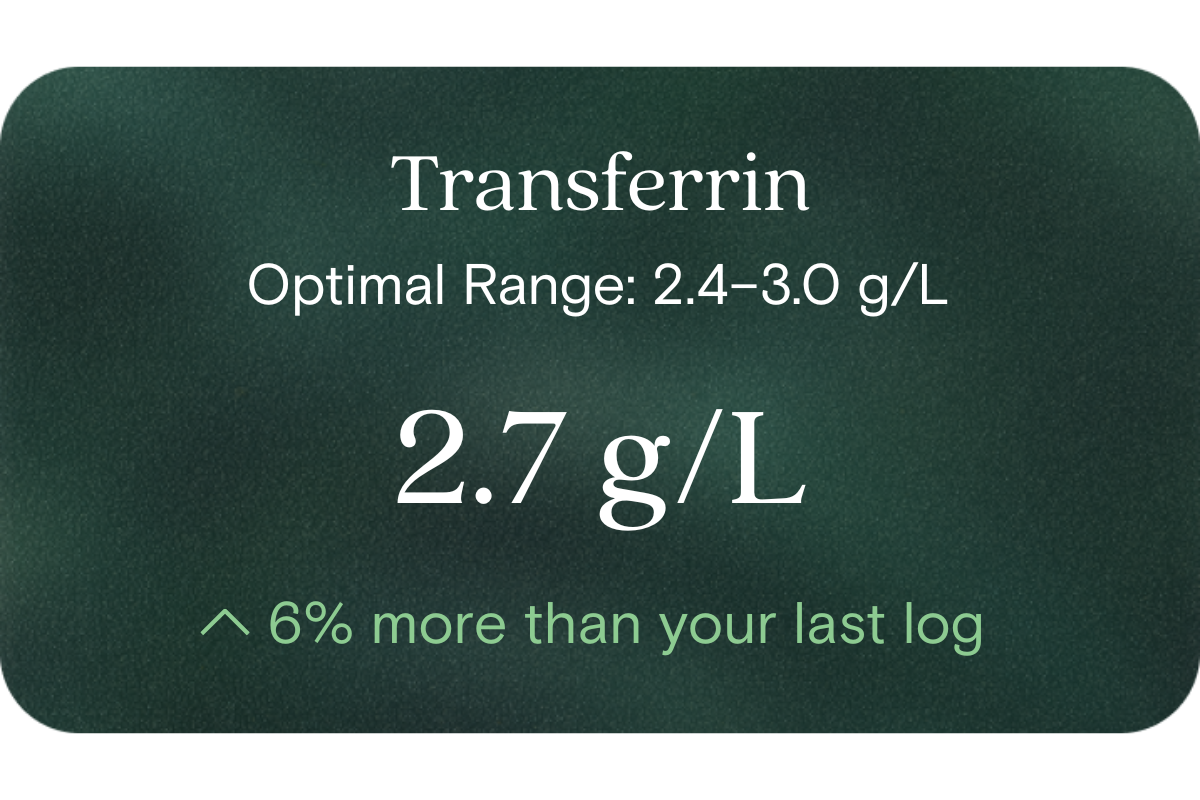
Transferrin is a key transport protein that carries iron through the bloodstream, measured in g/L in Australia. Because it reflects how your body moves and manages iron, it offers a deeper view of nutrient availability than looking at intake alone. Higher levels often suggest your system is actively trying to optimise iron delivery, while lower levels may hint at changes in liver function or inflammation.

Keeping transferrin within a balanced range supports steadier energy, metabolic efficiency, and long-term vitality. Tracking it over time helps you understand how well your lifestyle, nutrition, and daily habits are supporting iron transport, giving you early insight to make informed changes before dips in performance appear.

Transferrin is available in Vively's Full Body Health. Check Book your blood test now for only $374 per test.
Book My TestOrder My CGM

What is transferrin?

Transferrin is a protein that transports iron through the bloodstream so your cells can use it for essential functions. It provides a more complete picture of iron movement and utilisation than intake alone.

Why does transferrin matter for long-term health and wellbeing?

Healthy transferrin levels help maintain energy, metabolic steadiness, and daily performance. Because it reflects how effectively your body moves iron around, it can offer early insight into nutrient balance and overall vitality.

What’s an optimal level of transferrin?

  • Laboratory reference range: 2.0–3.6 g/L
  • Optimal range: Typically the mid-range, around 2.4–3.0 g/L, is considered supportive of balanced iron transport for most adults. (Optimal ranges refer to general wellness insights, not medical diagnosis.)

What influences transferrin levels?

  • Iron intake and absorption
  • Protein and overall nutritional status
  • Hydration
  • Inflammation
  • Liver function
  • Hormonal changes
  • Lifestyle factors such as stress and sleep patterns

What does it mean if transferrin is outside the optimal range?

Levels outside the optimal range may indicate your body is adjusting how it carries and regulates iron. Higher values often appear when iron availability drops, while lower values may show up when the body shifts focus due to inflammation or liver-related changes. These patterns are useful for understanding how your current lifestyle and nutrition are influencing nutrient movement.

How can I support healthy transferrin levels?

  • Maintain balanced iron intake through whole foods
  • Include adequate protein for consistent nutrient transport
  • Support digestion for better mineral absorption
  • Prioritise sleep, stress balance, and regular movement
  • Stay consistently hydrated
  • Track your biomarkers to understand your personal patterns over time

This information is provided for general health and wellness purposes only and does not replace medical advice.

References

  1. National Health and Medical Research Council. (2006). Nutrient Reference Values for Australia and New Zealand: Including Recommended Dietary Intakes. Canberra, ACT, Australia.
  2. New Zealand Ministry of Health & NHMRC. (2006). Nutrient Reference Values for Australia and New Zealand. (same document, shared authorship)
  3. Principles of Nutritional Assessment (Gibson, R. S., 2nd ed., 2005/2006). Oxford University Press
  4. Disorders of Iron Metabolism (N. C. Andrews, The New England Journal of Medicine, 1999).
Comprehensive test

Discover 50+ biomarkers
that shape your health

Take the test
Biological Age
1 marker

Biological age

A reflection of how your body is aging at the cellular level, linked to age risks and longevity.
Red Blood Cell (RBC) Count
Haemoglobin
Haematocrit
Mean Cell Volume (MCV)
Mean Cell Haemoglobin (MCH)
Mean Cell Haemoglobin Concentration (MCHC)
Red Cell Distribution Width (RDW)
Platelet Count
8 markers

Blood health

Key blood indicators like hemoglobin, inflammation, and oxygen transport for overall health.
Cholesterol Ratio
HDL Cholesterol
LDL Cholesterol
Non-HDL Cholesterol
Total Cholesterol
Triglycerides
6 markers

Heart health

Assesses cardiovascular health through cholesterol, lipids, and heart-related risk markers.
Cortisol
Dehydroepiandrosterone Sulfate (DHEA-S)
Free Thyroxine (T4)
Free Triiodothyronine (T3)
Thyroid stimulating hormone (TSH)
5 markers

Hormone balance

Evaluates hormone levels that impact energy, sleep, mood, and metabolism.
White Blood Cell (WBC) Count
Neutrophils
Lymphocytes
Monocytes
Eosinophils
Basophils
6 markers

Immune system

Measures immune activity and inflammatory responses to assess body defenses.
High-Sensitivity C-Reactive Protein (hs-CRP)
1 marker

Inflammation status

Tracks signs of chronic or acute inflammation that may affect long-term disease risk.
Bicarbonate
Chloride
Creatinine
Potassium
Sodium
Urea
Uric acid
Anion Gap
Estimated Glomerular Filtration Rate (EGFR)
9 markers

Kidney function

Assesses kidney health through creatinine and other markers of blood filtration.
Alanine Aminotransferase
Albumin
Alkaline Phosphatase
Aspartate aminotransferase (AST)
Bilirubin
Gamma-glutamyl Transferase (GGT)
Globulin
Total Protein
8 markers

Liver health

Measures liver enzymes and proteins responsible for detoxification and metabolic health.
Fasting Glucose
Fasting Insulin
Haemoglobin A1c (HbA1c) IFCC mmol/m
Haemoglobin A1c (HbA1c) NGSP/DCCT %
HOMA-IR score
5 markers

Metabolic health

Evaluates energy processing with glucose, HbA1c, insulin, and related biomarkers.
Magnesium
1 marker

Vitamins & minerals

Analyzes essential nutrients that support immunity, energy, and overall wellbeing.
Creatine Kinase
1 marker

Muscle strength

Assesses biomarkers related to muscle performance, function, and recovery.
Biological Age
1 marker

Biological age

A reflection of how your body is aging at the cellular level, linked to age risks and longevity.
Red Blood Cell (RBC) Count
Haemoglobin
Haematocrit
Mean Cell Volume (MCV)
Mean Cell Haemoglobin (MCH)
Mean Cell Haemoglobin Concentration (MCHC)
Red Cell Distribution Width (RDW)
Platelet Count
8 markers

Blood health

Key blood indicators like hemoglobin, inflammation, and oxygen transport for overall health.
Cholesterol Ratio
HDL Cholesterol
LDL Cholesterol
Non-HDL Cholesterol
Total Cholesterol
Triglycerides
6 markers

Heart health

Assesses cardiovascular health through cholesterol, lipids, and heart-related risk markers.
Cortisol
Dehydroepiandrosterone Sulfate (DHEA-S)
Free Thyroxine (T4)
Free Triiodothyronine (T3)
Thyroid stimulating hormone (TSH)
5 markers

Hormone balance

Evaluates hormone levels that impact energy, sleep, mood, and metabolism.
White Blood Cell (WBC) Count
Neutrophils
Lymphocytes
Monocytes
Eosinophils
Basophils
6 markers

Immune system

Measures immune activity and inflammatory responses to assess body defenses.
High-Sensitivity C-Reactive Protein (hs-CRP)
1 marker

Inflammation status

Tracks signs of chronic or acute inflammation that may affect long-term disease risk.
Bicarbonate
Chloride
Creatinine
Potassium
Sodium
Urea
Uric acid
Anion Gap
Estimated Glomerular Filtration Rate (EGFR)
9 markers

Kidney function

Assesses kidney health through creatinine and other markers of blood filtration.
Alanine Aminotransferase
Albumin
Alkaline Phosphatase
Aspartate aminotransferase (AST)
Bilirubin
Gamma-glutamyl Transferase (GGT)
Globulin
Total Protein
8 markers

Liver health

Measures liver enzymes and proteins responsible for detoxification and metabolic health.
Fasting Glucose
Fasting Insulin
Haemoglobin A1c (HbA1c) IFCC mmol/m
Haemoglobin A1c (HbA1c) NGSP/DCCT %
HOMA-IR score
5 markers

Metabolic health

Evaluates energy processing with glucose, HbA1c, insulin, and related biomarkers.
Magnesium
1 marker

Vitamins & minerals

Analyzes essential nutrients that support immunity, energy, and overall wellbeing.
Creatine Kinase
1 marker

Muscle strength

Assesses biomarkers related to muscle performance, function, and recovery.
Biological Age
1 marker

Biological age

A reflection of how your body is aging at the cellular level, linked to age risks and longevity.
How it works

Get a clearer picture of your health and weight

01

Schedule your test

Visit one of 4,000 collection centres across Australia at your earliest convenience and take one blood draw
02

Get your results

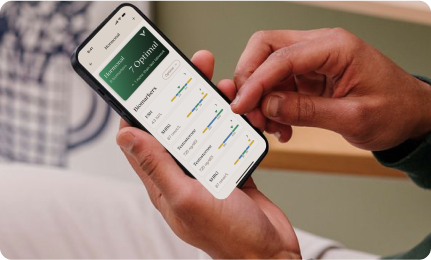
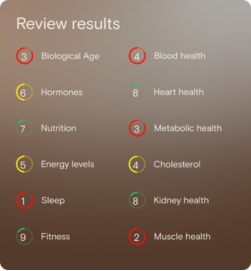
Review your 50+ biomarkers in the Vively app and get a full breakdown, including your Biological Age and Speed of Ageing.
03

Take control of your health

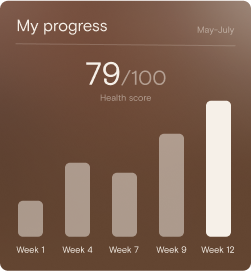
Track and improve your health through the app, with expert 1:1 support available with dietitian coaches to guide healthy changes
FAQ

Got Questions? We’ve Got Answers

What's included in the blood test?
How is this different from getting a blood test at my GP?
What is the Vively membership?
Why do you test these specific biomarkers?
What happens to my data?