What is White Blood Cell (WBC) Count?
It is a measurement of the number of white blood cells (leukocytes) per litre of blood. White blood cells circulate through your bloodstream and tissues, supporting your body’s capacity to respond and adapt.
Why does WBC Count matter for long-term health and wellbeing?
While the count alone doesn’t diagnose conditions, it provides an indicator of your body’s immune-system engagement and recovery balance. For a wellness-orientated mindset, it offers insights into underlying stress, recovery load, sleep disruption or lifestyle strain. Research shows that lifestyle factors such as smoking, obesity, poor sleep and shift work are significantly associated with elevated WBC counts, linking this metric with long-term systemic balance and resilience.
What’s an optimal level of WBC Count?
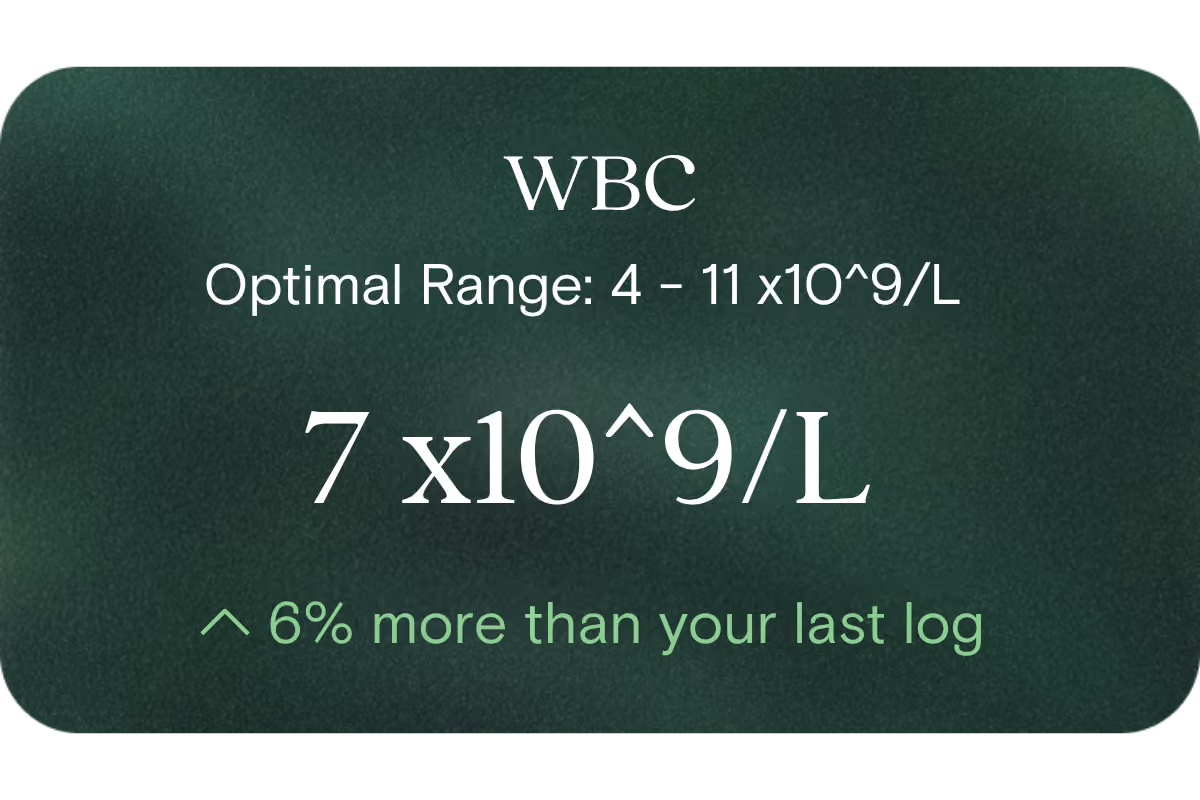
- Laboratory (reference) range in Australian units: approx. 4 ×10⁹/L to 11 ×10⁹/L.
- Wellness-oriented optimal range (for Vively’s purpose): same as 4 – 11 ×10⁹/L (given current evidence).
In short: aim for staying well within the 4–11 ×10⁹/L window, tracking for trends rather than one-time spikes.
What influences WBC Count levels?
Several modifiable factors can influence WBC levels:
- Smoking intensity (positive correlation with WBC count)
- Adiposity and obesity (linked with higher WBC)
- Poor sleep, shift work and chronic stress (associated with elevated WBC)
- Acute physical or emotional stress can temporarily raise WBC counts.
While these are not the only influences, they offer actionable lifestyle levers for optimising your internal environment.
What does it mean if WBC Count is outside the optimal range?
If your WBC count is persistently above or below the 4 – 11 ×10⁹/L zone (or trending in that direction), this is a signal to peer-review your lifestyle and recovery status. A higher count may suggest your body is carrying elevated systemic burden or inflammation; a lower count may indicate under-activation or slower renewal of white-cell populations. In either case, it doesn’t in itself mean disease, but it does mean you have an opportunity to intervene early and improve energy, metabolic balance and long-term resilience.
How can I support healthy WBC Count levels?
- Prioritise consistent, high-quality sleep and recovery routines.
- Maintain healthy body composition and avoid excess adiposity.
- Avoid or minimise smoking and exposure to toxic substances.
- Manage stress and optimise recovery — including regular physical activity balanced with rest.
- Monitor longitudinal trends rather than just single results — use WBC alongside other biomarkers to get a fuller picture.
By actively supporting your internal immune-cell balance, you support your performance, energy and longer-term health span.
This information is provided for general health and wellness purposes only and does not replace medical advice.
References
- Jean, M.C.Y. et al. (2019). Association between lifestyle and haematological parameters. Journal of Clinical Laboratory Analysis.
- Nakanishi, N. (2003). Association between lifestyle and white blood cell count. Occupational Medicine.
- Carel, R.S. (1985). Factors affecting leukocyte count in healthy adults. Journal of Clinical Epidemiology.






















.avif)


.svg)