Nearly Three in Four Younger Australians Showed Early Metabolic Risk
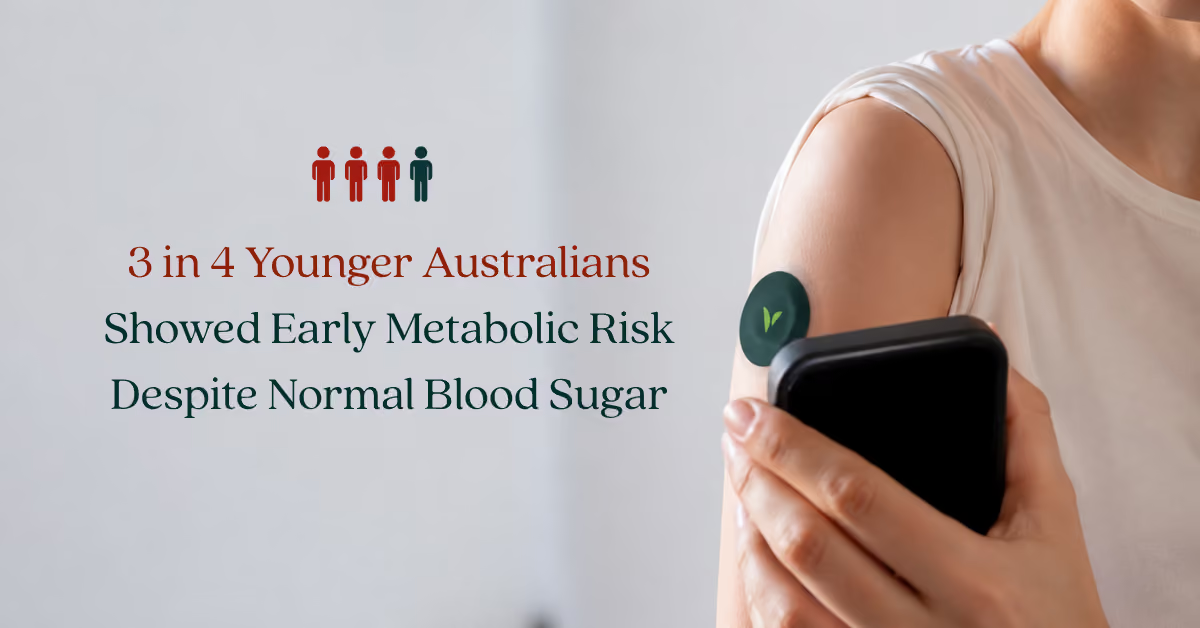
New Vively report finds 71% of Australians aged 25 to 34 show early metabolic risk despite normal blood sugar, highlighting the need for earlier prevention.
On this page
In short
- Among Vively members aged 25 to 34 with normal HbA1c, 71.1% had at least one early metabolic risk marker and 57.8% had two or more.
- Only 2.2% of that younger group had elevated HbA1c, so most would not have been picked up by standard blood sugar screening alone.
- The report, drawn from more than 4,300 member blood tests, suggests diabetes prevention should look beyond blood sugar to insulin, liver, heart and inflammation markers.
From Vively member data
71.1%
At least one risk marker
members aged 25 to 34 with normal HbA1c
2.2%
Elevated HbA1c
in the same younger group
87%
Improved at least one marker
of retested members, observational with no control group
Analysis of over 4,300 blood tests suggests hidden metabolic risk is common in adults as young as 25, years before standard screening would catch it
SYDNEY, Australia, July 13, 2026: Many young adults may be missing early warning signs of metabolic dysfunction despite having normal blood sugar, according to a new report from Australian preventative health platform Vively.
Published today during National Diabetes Week, the 2026 State of Diabetes Prevention in Australia report presents an observational analysis of more than 4,300 blood tests from Vively members. It found that early signs of metabolic health problems may emerge well before traditional diabetes screening detects a problem.
Nearly three in four members (71.1%) aged 25 to 34 had at least one early metabolic risk marker despite having normal HbA1c, a blood test that reflects average blood sugar over the previous two to three months. More than half (57.8%) had two or more metabolic risk markers while their HbA1c remained within the normal range.
By comparison, only 2.2% of the younger cohort had elevated HbA1c, indicating that most would not have been identified through standard blood sugar screening alone.
Risk markers are early biological signals that may suggest the body is becoming less metabolically healthy, often before blood sugar levels become abnormal.
The report found that while blood sugar measurements, such as HbA1c and fasting glucose, remain important tools for diagnosing prediabetes and diabetes, they may not reveal the full picture of metabolic health.
Instead, diabetes prevention should look beyond blood sugar to a broader range of biomarkers, including insulin resistance, cardiovascular health, liver health, inflammation and real-time glucose patterns.
Vively Founder Tim Veron said the findings challenge the common perception that metabolic health is primarily a concern for senior Australians.
“Type 2 diabetes takes decades to develop, but standard health screening only picks it up when you're already at the tail end of that process,” Veron said.
“The warning signs are there in people's 20s and 30s, when it's still completely reversible, but very few are looking and taking action. We need to change that.”
“Don't wait for someone to tell you something's wrong, because by then it’s much harder to reverse the damage. Taking a little bit of time to understand your metabolic health now and making the necessary adjustments could give you decades of better health and vitality in the future.”
“We’ve built Vively to solve that problem: to help people understand their metabolic health and make earlier, more informed lifestyle changes through real-time glucose data, personalised insights and expert guidance.”
Other Key Findings
- 90% of members with normal blood sugar had broader blood markers flagged.
- 83.6% showed two or more cardiometabolic risk clusters spanning metabolic, cardiovascular, liver and inflammatory markers.
- Less than 20% were identified as at risk using standard blood sugar screening with HbA1c or fasting glucose alone.
- 87% of retested members improved at least one measurable health marker (observational data with no control group).
The report draws on comprehensive blood testing and biomarker analysis to identify early metabolic risk signals rather than diagnose disease.
CGM Provides A Fuller Picture Of Metabolic Health
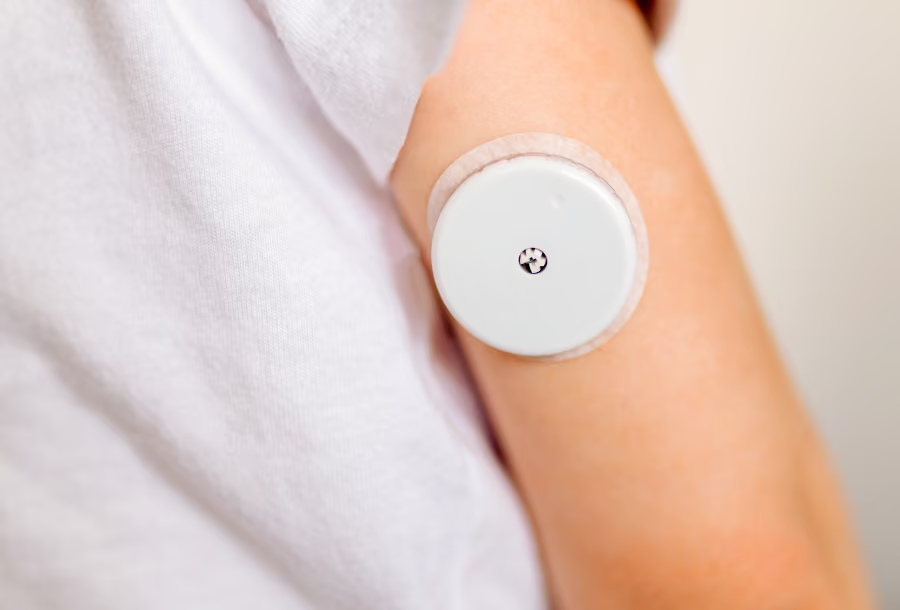
The report also examined members who underwent repeat testing after using continuous glucose monitoring (CGM) alongside lifestyle changes.
Among members who completed follow-up testing, 87% with previously hidden metabolic risk improved at least one measurable health marker.
Dr Michelle Woolhouse, Vively Medical Director, said:
“CGM is a great tool for learning about health and the intersection between food, food timing, exercise, stress and sleep.”
“In our busy culture, where stress is a common factor and sleep problems are common, seeing how our glucose is impacted, can support prevention, behaviour change and real time insight.”
While these observational findings do not establish cause and effect, they suggest that personalised health data, combined with ongoing monitoring and lifestyle changes, may help to improve metabolic health over time.
Read the full 2026 State of Diabetes Prevention here. Our separate analysis of insulin resistance with normal blood sugar uses a different member sample (4,579 members), so its figures differ from this report.
ABOUT VIVELY
Vively is an Australian preventative health platform that combines continuous glucose monitoring (CGM), blood biomarkers, personalised insights and expert health guidance to help people better understand their metabolic health and make informed lifestyle changes.
WEBSITE
MEDIA CONTACTS
Tim Veron, CEO of Vively
tim@vively.com.au
Nina Nguyen, PR & Communications Assistant
Want to see where your own markers sit? The Baseline Health Check measures 70+ biomarkers and explains your results against optimal ranges.
The Baseline Health Check is a blood test covering 70+ markers at one of 3,700+ collection centres. Your dietitian goes through your results with you and builds your plan. $99$79 this Black Friday, ends 1 Dec. Then $99 a month, cancel anytime.