STEP-TEMBER SALE NOW ON | $99 per CGM | ENDS 7TH SEPTEMBER | LOWEST PRICE EVER




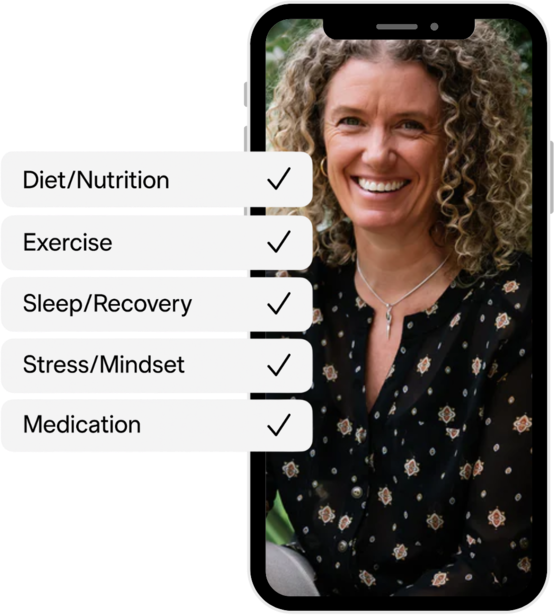







Explore the benefits of Vively’s continuous glucose monitors (CGM) for metabolic health and preventative care. Learn how the Vively app integrates with CGMs and supports healthier lifestyle choices.
Key takeaways
People with diabetes have used continuous glucose monitoring for decades, and many prefer it to finger-pricks and traditional blood glucose meters. CGMs reduce the need for repeated spot checks and make it easier to see patterns across the day, not just a single number.
But CGMs aren’t only for diabetes management. More people without diabetes are now using CGM as a preventative tool to better understand metabolic health and reduce long-term risk factors linked to insulin resistance and type 2 diabetes.
This article explains what CGMs can help with, how the Vively app works with a CGM sensor, and how to use that data to understand the impact of food, movement, sleep, and stress on your glucose patterns.
CGMs are essential for many people living with diabetes, but they can also be valuable for people who don’t have a diabetes diagnosis. For non-diabetics, wearing a CGM helps you see how your glucose responds to everyday inputs in near real time, including meals, exercise, sleep quality, and stress levels. That immediate feedback can turn vague wellness advice into something personal and measurable.
CGM-derived insights can support better decisions because you’re working with your own data, not generic rules. For example, if you notice your glucose rises significantly after a certain lunch, you can zoom in on what was in the meal, the timing, and what else was happening that day (sleep, stress, activity). Over time, you start to identify the patterns that matter most for your body and your goals.
It’s also a powerful motivator. Seeing how a short walk can soften a post-meal rise, or how poor sleep can make your glucose more reactive the next day, makes behaviour change feel more practical and less abstract. Vively is designed to support that learning process inside the app, so your glucose data becomes a tool for building habits you can actually stick to.
A CGM sensor is a small wearable device that sits on the back of your upper arm. It measures glucose from interstitial fluid (the fluid between your cells), rather than directly from blood. Because glucose hits your bloodstream first and then moves into interstitial fluid, CGM readings can lag behind finger-prick blood glucose readings by a few minutes, especially when glucose is changing quickly.
With Vively, you apply your sensor and pair it to your phone so your glucose data can sync into the app. Vively is moving to the SIBIONICS GS3 CGM sensor, which is designed to transmit readings via Bluetooth without the need to scan, and update glucose values at regular intervals once your phone is in range with Bluetooth enabled.
Inside the Vively app, glucose trends sit alongside the lifestyle inputs that influence them. That means you’re not just watching a curve, you’re learning what likely shaped it. Over a typical wear period (around two weeks), you can build a clear picture of how your metabolism responds to food, sleep, stress, and movement, then use those insights to make changes with more confidence.
Vively is designed to be flexible, so you can use the app with or without a CGM. If you choose a plan that includes a CGM, you’ll receive a sensor as part of your plan and can purchase additional sensors anytime if you want more check-ins across the year.
Inside the app, your membership includes access to tools that help you interpret and act on your data, not just collect it. Key features include:
Outside of glucose tracking, the Vively app lets you log meals, movement, sleep, and other daily inputs that affect metabolic health. You can also connect wearables and health platforms (such as Apple Health or Google Fit, and other supported devices) to bring key metrics into one place, which makes it easier to see how lifestyle patterns and glucose patterns line up over time.
If you want extra guidance, you can opt in to dietitian support in the app. This gives you access to an Accredited Practising Dietitian who can help you interpret your glucose trends, refine your meals based on your responses, and build a plan that fits your routine and goals. Dietitian support is optional, and you can opt in or cancel at any time.
Vively is designed to support informed lifestyle change, not diagnose or treat medical conditions. It works best alongside your GP and healthcare team, not instead of them. If you have a medical condition, are pregnant, take medication that affects glucose, or you’re unsure whether CGM is right for you, it’s important to speak with your healthcare professional before starting.
Used well, CGM becomes a simple feedback tool. You can test everyday choices (breakfast options, snack timing, a post-dinner walk, earlier bedtime) and see what helps your glucose stay steadier. Over time, those small experiments can lead to more consistent energy, better appetite control, and clearer insight into what supports your metabolic health.
A program like Vively also helps solve a common CGM problem: people learn a lot in the first two weeks, then aren’t sure what to do next. By combining your CGM period with app-based insights, habit tools, and optional dietitian guidance, Vively is built to help you turn new awareness into sustainable routines, in a supported way.
Ready to see how your glucose responds in real life? Explore the Vively CGM sensor and start turning everyday habits into clearer metabolic insight.
START YOUR BASELINE
Most of what we write about here shows up in your blood work. A Vively Baseline Health Check covers 60+ biomarkers, reviewed 1:1 with a registered nurse. $99 to start your membership.
Get my baseline · $99Subscribe to our newsletter & join a community of 30,000+ Aussies
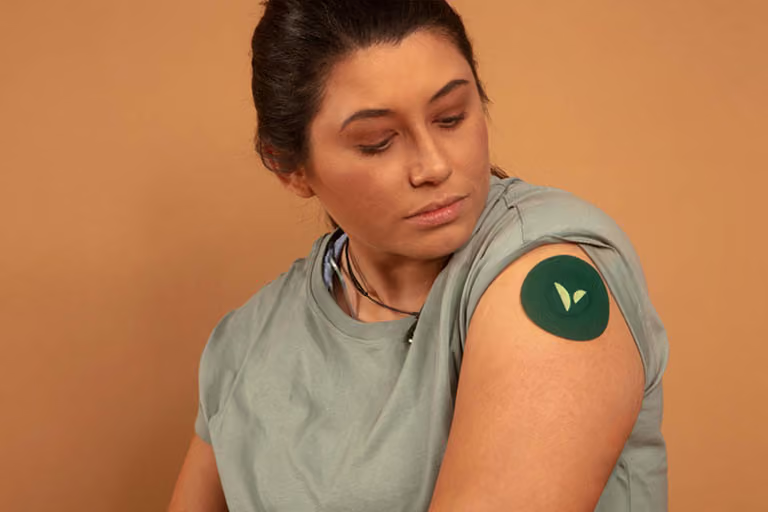
Explore the benefits of Vively’s continuous glucose monitors (CGM) for metabolic health and preventative care. Learn how the Vively app integrates with CGMs and supports healthier lifestyle choices.
Key takeaways
People with diabetes have used continuous glucose monitoring for decades, and many prefer it to finger-pricks and traditional blood glucose meters. CGMs reduce the need for repeated spot checks and make it easier to see patterns across the day, not just a single number.
But CGMs aren’t only for diabetes management. More people without diabetes are now using CGM as a preventative tool to better understand metabolic health and reduce long-term risk factors linked to insulin resistance and type 2 diabetes.
This article explains what CGMs can help with, how the Vively app works with a CGM sensor, and how to use that data to understand the impact of food, movement, sleep, and stress on your glucose patterns.
CGMs are essential for many people living with diabetes, but they can also be valuable for people who don’t have a diabetes diagnosis. For non-diabetics, wearing a CGM helps you see how your glucose responds to everyday inputs in near real time, including meals, exercise, sleep quality, and stress levels. That immediate feedback can turn vague wellness advice into something personal and measurable.
CGM-derived insights can support better decisions because you’re working with your own data, not generic rules. For example, if you notice your glucose rises significantly after a certain lunch, you can zoom in on what was in the meal, the timing, and what else was happening that day (sleep, stress, activity). Over time, you start to identify the patterns that matter most for your body and your goals.
It’s also a powerful motivator. Seeing how a short walk can soften a post-meal rise, or how poor sleep can make your glucose more reactive the next day, makes behaviour change feel more practical and less abstract. Vively is designed to support that learning process inside the app, so your glucose data becomes a tool for building habits you can actually stick to.
A CGM sensor is a small wearable device that sits on the back of your upper arm. It measures glucose from interstitial fluid (the fluid between your cells), rather than directly from blood. Because glucose hits your bloodstream first and then moves into interstitial fluid, CGM readings can lag behind finger-prick blood glucose readings by a few minutes, especially when glucose is changing quickly.
With Vively, you apply your sensor and pair it to your phone so your glucose data can sync into the app. Vively is moving to the SIBIONICS GS3 CGM sensor, which is designed to transmit readings via Bluetooth without the need to scan, and update glucose values at regular intervals once your phone is in range with Bluetooth enabled.
Inside the Vively app, glucose trends sit alongside the lifestyle inputs that influence them. That means you’re not just watching a curve, you’re learning what likely shaped it. Over a typical wear period (around two weeks), you can build a clear picture of how your metabolism responds to food, sleep, stress, and movement, then use those insights to make changes with more confidence.
Vively is designed to be flexible, so you can use the app with or without a CGM. If you choose a plan that includes a CGM, you’ll receive a sensor as part of your plan and can purchase additional sensors anytime if you want more check-ins across the year.
Inside the app, your membership includes access to tools that help you interpret and act on your data, not just collect it. Key features include:
Outside of glucose tracking, the Vively app lets you log meals, movement, sleep, and other daily inputs that affect metabolic health. You can also connect wearables and health platforms (such as Apple Health or Google Fit, and other supported devices) to bring key metrics into one place, which makes it easier to see how lifestyle patterns and glucose patterns line up over time.
If you want extra guidance, you can opt in to dietitian support in the app. This gives you access to an Accredited Practising Dietitian who can help you interpret your glucose trends, refine your meals based on your responses, and build a plan that fits your routine and goals. Dietitian support is optional, and you can opt in or cancel at any time.
Vively is designed to support informed lifestyle change, not diagnose or treat medical conditions. It works best alongside your GP and healthcare team, not instead of them. If you have a medical condition, are pregnant, take medication that affects glucose, or you’re unsure whether CGM is right for you, it’s important to speak with your healthcare professional before starting.
Used well, CGM becomes a simple feedback tool. You can test everyday choices (breakfast options, snack timing, a post-dinner walk, earlier bedtime) and see what helps your glucose stay steadier. Over time, those small experiments can lead to more consistent energy, better appetite control, and clearer insight into what supports your metabolic health.
A program like Vively also helps solve a common CGM problem: people learn a lot in the first two weeks, then aren’t sure what to do next. By combining your CGM period with app-based insights, habit tools, and optional dietitian guidance, Vively is built to help you turn new awareness into sustainable routines, in a supported way.
Ready to see how your glucose responds in real life? Explore the Vively CGM sensor and start turning everyday habits into clearer metabolic insight.
Get irrefutable data about your diet and lifestyle by using your own glucose data with Vively’s CGM Program. We’re currently offering a 20% discount for our annual plan. Sign up here.

Medical content writer



Discover how controlling your glucose levels can aid in ageing gracefully. Learn about the latest research that links glucose levels and ageing, and how Vively, a metabolic health app, can help you manage your glucose and age well.


Delve into the concept of mindful eating and discover its benefits, including improved glucose control and healthier food choices. Learn about practical strategies to implement mindful eating in your daily life.


Understand the nuances of polycystic ovary syndrome (PCOS) testing in Australia, the importance of early diagnosis, and the tests used to effectively diagnose the condition. Also, find out when these diagnostic procedures should be considered.
.png)

Vively is a general wellness platform and does not provide medical advice, diagnosis, or treatment. Any information, insights or guidance offered through our app, website, programs, or coaches is for educational and informational purposes only and should not be considered a substitute for professional medical advice or care. Always consult a qualified healthcare provider before making any health-related decisions.
We acknowledge the Traditional Custodians of the lands where we live and work, the Gadigal of the Eora Nation. We pay our respects to their Elders past and present.
 Share
Share Tweet
Tweet Share
Share

.svg)