What is salivary cortisol?
Salivary cortisol is a way of measuring cortisol, your body's main stress hormone, using saliva rather than blood. It captures the "free" or biologically active form of cortisol, which is the fraction actually working in your tissues. Because saliva is easy to collect at home, salivary cortisol testing typically involves multiple samples across a single day, allowing you to see how your cortisol rhythm behaves rather than just a single snapshot.
Most salivary cortisol tests collect samples on waking, 30 minutes after waking (to capture the cortisol awakening response, or CAR), around midday, in the afternoon and just before bed. Results are reported in nmol/L in Australia. You can read more about how cortisol works in our complete guide to the cortisol blood test in Australia.
Why does salivary cortisol matter for long-term health and wellbeing?
Cortisol has a strong daily rhythm, peaking soon after waking to help you get up and gradually falling throughout the day to support sleep. When that rhythm becomes flattened, blunted, delayed or reversed (from chronic stress, poor sleep, shift work, burnout or medical conditions), it can quietly affect energy, mood, weight, blood sugar, immunity, sleep quality and long-term cardiovascular and metabolic health. A single blood cortisol measurement often misses this bigger picture.
Salivary cortisol testing gives a more complete view of how your body is responding to stress over an entire day, not just at one moment. It is particularly useful for people experiencing symptoms like fatigue, "wired but tired" feelings, insomnia, weight changes and burnout. It is one of the hormone markers Vively looks at as part of its dedicated stress and adrenal function testing and its broader baseline health testing.
What is an ideal salivary cortisol level?
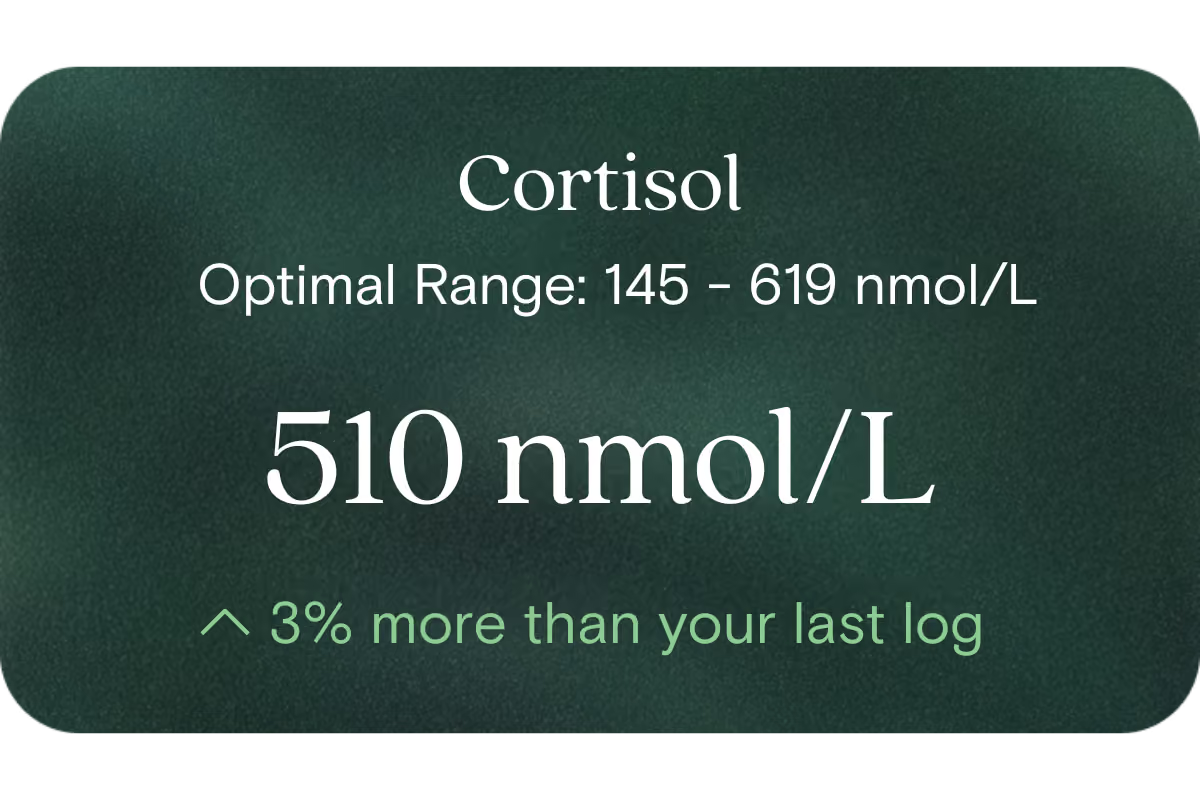
Because salivary cortisol changes so much across the day, there is no single ideal number. Instead, the pattern across four to five sampling points is what matters most. Broadly, morning waking cortisol is usually the highest of the day (often 5 to 25 nmol/L), rises further 30 minutes after waking (the cortisol awakening response should ideally increase by around 50 percent or more), then falls steadily through the day to a very low level before bed (typically well under 3 nmol/L).
Reference ranges vary between labs and depend on the assay used. Interpretation depends on your age, sex, pregnancy status, medications (particularly corticosteroids, oral contraceptives and hormone therapy), sleep, shift work, stress and other hormone markers. A trend across the day and in the context of your symptoms is far more informative than any single sample.
What influences salivary cortisol levels?
Stress is the most well-known influence, and both acute and chronic stress can shift cortisol timing, height and rhythm. Sleep quality, sleep timing and shift work are major influences, since disrupted or short sleep can flatten or delay the normal daily pattern. Regular exercise usually supports a healthier rhythm, though very intense or excessive training without recovery can raise cortisol.
Diet also plays a role, particularly patterns high in refined carbohydrates, sugar, caffeine and alcohol, all of which can affect cortisol responses. Medications including corticosteroids (oral, inhaled, injected or topical), hormone replacement therapy, opioids, some antidepressants and biotin supplements can affect saliva cortisol or interfere with the assay. Pregnancy, menopause, illness, dental issues (blood in saliva), recent food, drink or tooth brushing near sample times can also influence results.
What are the symptoms of a disrupted cortisol rhythm?
A disrupted cortisol rhythm often shows up as fatigue that does not improve with rest, difficulty waking in the morning even after enough sleep, "wired but tired" feelings at night, difficulty falling or staying asleep, sugar and salt cravings, mood changes, anxiety, brain fog and reduced tolerance to stress. Some people notice weight gain around the middle, high blood pressure, blood sugar issues or reduced recovery from exercise.
Very high cortisol, particularly late at night, can point to Cushing's syndrome and may cause easy bruising, purple stretch marks, rounded face, muscle weakness and thinning skin. Very low cortisol may point to adrenal insufficiency and can cause severe fatigue, dizziness, weight loss and low blood pressure. Because symptoms overlap with many other conditions, testing and clinical context matter far more than symptom checklists.
What causes high salivary cortisol?
Chronic psychological, emotional or physical stress is one of the most common causes of a raised or delayed cortisol pattern, particularly when combined with poor sleep, over-training or high stimulant intake. Depression, chronic pain, obesity, obstructive sleep apnoea and eating disorders can also raise cortisol. Corticosteroid medications (including topical creams, inhaled steroids and injected steroids) can raise cortisol readings, and biotin supplements can interfere with some assays.
Late-night salivary cortisol is a well-validated screening tool for Cushing's syndrome, a rare medical condition where the body produces or is exposed to too much cortisol. Causes include a pituitary tumour that overproduces ACTH (Cushing's disease), an adrenal tumour, ectopic ACTH-producing tumours or prolonged corticosteroid use. Any significantly high late-night salivary cortisol or clinical suspicion of Cushing's syndrome requires specialist assessment.
What causes low salivary cortisol?
Clinically low salivary cortisol most often points to primary adrenal insufficiency (Addison's disease), secondary adrenal insufficiency (where the pituitary is not producing enough ACTH) or abrupt withdrawal from long-term corticosteroid medication. Pituitary problems, previous head injury, radiation therapy, autoimmune conditions and rare genetic conditions can also cause low cortisol.
Less pronounced but functional disruptions to the daily rhythm can occur with chronic stress, burnout, poor sleep, over-training, shift work and significant illness. These are not the same as clinical adrenal insufficiency, but they can still affect wellbeing, energy and recovery, and often show up better on salivary cortisol testing than on a single morning blood test. Any suspected adrenal insufficiency needs medical review promptly, as untreated low cortisol can become dangerous during illness or injury.
What does it mean if salivary cortisol is outside the optimal range?
An elevated morning cortisol, an exaggerated cortisol awakening response, or a raised late-day or bedtime cortisol may reflect ongoing stress, disrupted sleep, poor recovery, corticosteroid use, pregnancy or, less commonly, an underlying medical condition such as Cushing's syndrome. A flattened, delayed or reversed rhythm often reflects chronic stress, burnout or shift work, though it can also occur with depression and some medications.
A very low cortisol pattern may point to adrenal insufficiency, pituitary problems or recent corticosteroid use. Both high and low patterns should be interpreted alongside symptoms, medications, sleep and other markers rather than in isolation. Timing accuracy of the saliva samples also matters, which is why following the collection instructions carefully makes a real difference to interpretation.
Can salivary cortisol be normal but something still be wrong?
Yes, cortisol has a strong daily rhythm and responds to short-term influences, so a single set of measurements may look normal even when something else is going on. Acute illness, recent stress, medication changes and menstrual cycle timing can all affect a single day's readings, and repeat testing across different weeks is sometimes needed. Cortisol is only one piece of the broader adrenal and endocrine picture.
Medications and supplements can also affect results, particularly corticosteroid inhalers or creams (which can suppress natural cortisol), oral contraceptives, biotin supplements and recent food, drink or tooth brushing near sample times. Blood in saliva from dental issues can artificially raise readings. This is why salivary cortisol is best interpreted alongside symptoms, sleep patterns and other hormone markers rather than as a stand-alone number.
What other markers should be checked with salivary cortisol?
DHEA and DHEA-S are important companions, and the cortisol to DHEA ratio can give insight into overall adrenal function and long-term stress adaptation. ACTH is helpful when investigating cortisol abnormalities, as it helps distinguish between adrenal and pituitary causes. Serum cortisol may be added if underlying medical conditions such as Cushing's syndrome or Addison's disease are being investigated.
Thyroid function (TSH, free T4, free T3) is another frequent companion, since the thyroid and adrenal systems often affect each other and share overlapping symptoms. Fasting glucose, HbA1c and fasting insulin help clarify metabolic effects of raised cortisol, as covered in our article on the connection between stress and blood sugar. Sex hormones, vitamin D, B12, iron studies and inflammation markers such as hs-CRP are also useful for fatigue investigations, and you can see the full set of markers Vively looks at through our tests page and shop tests page.
How can you improve your salivary cortisol pattern?
A healthy cortisol rhythm usually responds well to consistent lifestyle change, particularly regular sleep of 7 to 9 hours, daylight exposure in the morning, meals at regular times and gentle stress management practices such as breathwork, mindfulness or time outdoors. Regular movement supports a healthier rhythm, though very intense training without recovery can worsen things, so balancing strength, cardio and rest matters. Reducing reliance on caffeine, alcohol and refined carbohydrates helps prevent unnecessary cortisol spikes, particularly later in the day.
Managing underlying stressors, whether work, relationships, chronic pain or unresolved health issues, is often the most important step, though not the easiest. Nutrient support (adequate protein, complex carbohydrates, magnesium, B vitamins and omega-3s) and treating any underlying conditions such as sleep apnoea, thyroid problems or depression can also help. Not every marker can or should be self-optimised, and Vively's how it works page explains how testing, monitoring and dietitian coaching combine to make sustainable change practical.
When does salivary cortisol need medical review?
See your GP if your cortisol pattern is significantly abnormal, especially a very high late-night cortisol (which may need investigation for Cushing's syndrome), or a consistently low pattern (which may need investigation for adrenal insufficiency). Any symptoms suggestive of Cushing's syndrome (easy bruising, purple stretch marks, rapid weight gain around the face and abdomen, muscle weakness and high blood pressure) or Addison's disease (persistent unexplained fatigue, weight loss, dizziness on standing, salt cravings, darkening of the skin or low blood pressure) need prompt review.
Clinical input is also important if you take corticosteroid medication (including inhalers, creams and injections), are stopping or changing these medications, are pregnant, planning pregnancy, or have a history of pituitary or adrenal disease. Any suspected adrenal crisis (severe abdominal pain, vomiting, dehydration, confusion or fainting) is a medical emergency. Salivary cortisol should never be self-diagnosed, as it is one piece of a bigger clinical picture your GP or endocrinologist can help you interpret.
How does Vively help you understand salivary cortisol?
Salivary cortisol testing at Vively looks at your cortisol pattern across an entire day, not just a single moment, giving a much clearer view of how stress is showing up in your body. Results are interpreted in the context of broader hormonal, metabolic and lifestyle health, alongside markers such as thyroid function, glucose, insulin, HbA1c, DHEA, sex hormones, nutrient status and inflammation, as part of the Vively Baseline Health Check. Where relevant, your real-world glucose data from a continuous glucose monitor adds another layer of insight into how cortisol may be affecting your metabolism.
A registered nurse reviews your results with you one on one, and accredited practising dietitians support the changes that follow. Because your markers are retested over time, you can see how sleep, stress management, nutrition and lifestyle are actually shifting your cortisol pattern rather than guessing. Start at the Vively homepage or explore the full range of tests in the Vively shop.
References
- Royal College of Pathologists of Australasia. RCPA Manual: Cortisol. https://www.rcpa.edu.au/Manuals/RCPA-Manual/Pathology-Tests/C/Cortisol
- Healthdirect Australia. Cortisol blood test. https://www.healthdirect.gov.au/
- Better Health Channel, Victorian Department of Health. Adrenal glands. https://www.betterhealth.vic.gov.au/health/conditionsandtreatments/adrenal-glands
- Royal Australian College of General Practitioners. Guidelines for preventive activities in general practice (Red Book). https://www.racgp.org.au/clinical-resources/clinical-guidelines/key-racgp-guidelines/view-all-racgp-guidelines/red-book
- Nieman LK, Biller BM, Findling JW, et al. The diagnosis of Cushing's syndrome: an Endocrine Society clinical practice guideline. Journal of Clinical Endocrinology and Metabolism. 2008;93(5):1526 to 1540.
- Bornstein SR, Allolio B, Arlt W, et al. Diagnosis and treatment of primary adrenal insufficiency: an Endocrine Society clinical practice guideline. Journal of Clinical Endocrinology and Metabolism. 2016;101(2):364 to 389.
- McEwen BS. Physiology and neurobiology of stress and adaptation: central role of the brain. Physiological Reviews. 2007;87(3):873 to 904.
- Australian Prescriber. Adrenal insufficiency: identification and management. https://www.nps.org.au/australian-prescriber
- Clow A, Hucklebridge F, Stalder T, Evans P, Thorn L. The cortisol awakening response: more than a measure of HPA axis function. Neuroscience and Biobehavioral Reviews. 2010;35(1):97 to 103.
- Raff H. Late night salivary cortisol as a screening test for Cushing's syndrome. Journal of Clinical Endocrinology and Metabolism. 1998;83(8):2681 to 2686.
- Kirschbaum C, Hellhammer DH. Salivary cortisol in psychobiological research: an overview. Neuropsychobiology. 1989;22(3):150 to 169.
- Cleveland Clinic. Cortisol. https://my.clevelandclinic.org/health/articles/22187-cortisol
- Mayo Clinic. Cortisol test. https://www.mayoclinic.org/
- National Institutes of Health, MedlinePlus. Cortisol test. https://medlineplus.gov/lab-tests/cortisol-test/

















.avif)


.svg)