



By Julia P. · June 22, 2026

The first time I said it out loud was at my son’s Saturday footy.
I’d been standing on the sideline for maybe twenty minutes when that familiar heaviness rolled over me again.
Not regular tiredness.
The kind that makes your whole body feel like it’s moving through wet cement. My legs ached. My head felt foggy. I couldn’t follow the conversation happening beside me.
So I slipped away and sat in the car.
A few minutes later, another mum knocked on the window.
“Are you alright?”
“Yeah,” I said, smiling as I waved her off. “Just tired. Big week.”
Just tired.
That was the explanation I gave everyone.
Eventually, it became the explanation I gave myself.
Because you don’t always wake up one morning and suddenly realise something is wrong.
Sometimes you explain it away one small symptom at a time, until not feeling like yourself starts to feel normal.

The exhaustion was just the school run and working full-time.
The aching legs were just a bad mattress.
The brain fog - reading the same email three times, forgetting why I’d walked into a room - was just stress.
The weight that had settled around my middle and refused to budge was just what happened after forty.
At least, that’s what everyone said.
And women are good at accepting those explanations.
We minimise.
We keep going.
We don’t want to make a fuss because we feel “a bit flat”.
But I didn’t feel a bit flat.
I felt like somebody had quietly turned the brightness down on my entire life.
I was still functioning. I went to work. I made dinner. I got the kids where they needed to be.
But everything required more effort than it used to.
When I finally brought it up with my GP, I almost apologised while explaining it.
“I’m probably just run down,” I said.
He agreed it was possible. He ordered standard blood tests and told me to try getting more rest.
A few days later, the results came back.
Everything was within range.
Nothing flagged.
Nothing urgent.
I should have felt relieved.
Instead, I walked back to my car feeling more confused than before.
If everything was “normal”, why did I feel so far from normal?
That’s what constant unexplained symptoms do to you.
You begin questioning your own experience.
Maybe I really was lazy.
Maybe everyone felt this exhausted.
Maybe I simply wasn’t coping as well as other women.
Maybe it was all in my head.
So I did what millions of people do when they know something feels wrong but don’t know where to start.
I began guessing.
Magnesium because someone online said it helped with sleep.
A greens powder because an ad promised more energy.
Vitamin tablets from the chemist.
An earlier bedtime.
Less coffee.
More coffee.
A new pillow.
A different diet.
My bathroom shelf slowly filled with half-used products I’d bought hoping one of them might make me feel like myself again.
None made a meaningful difference.
Looking back, I understand why.
I was trying to fix a problem I had never properly measured.
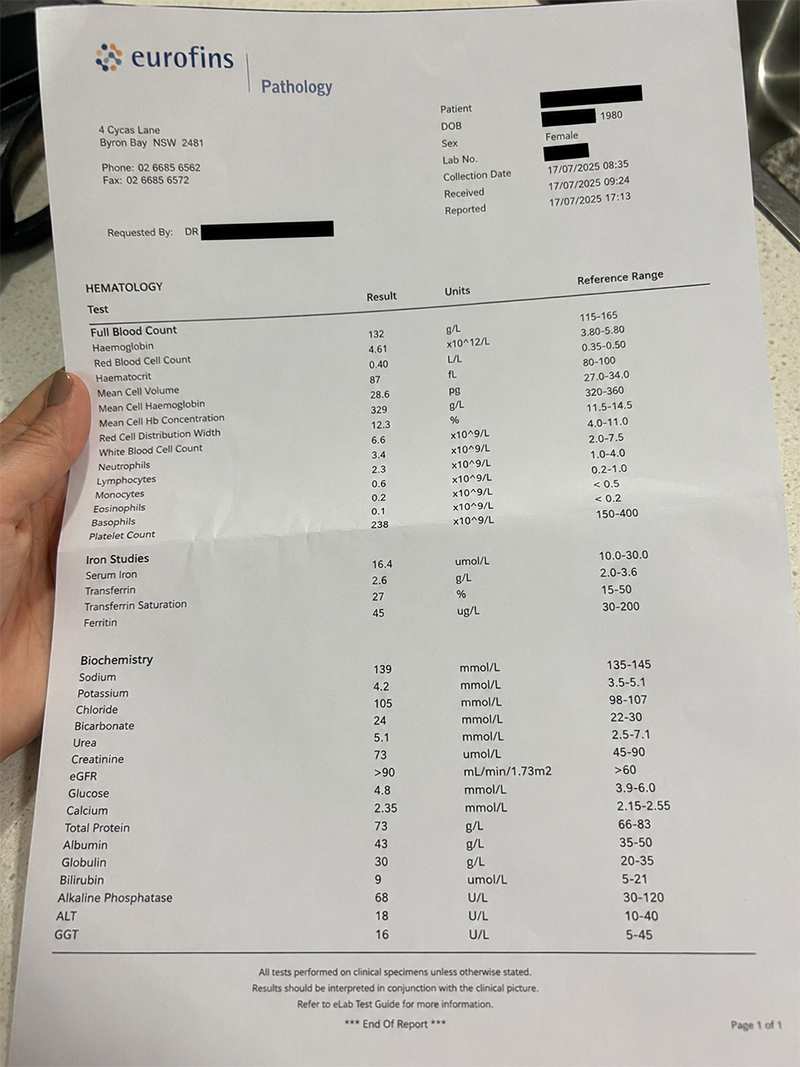
A standard medical check is incredibly important. It helps doctors assess risk, investigate symptoms and identify potential disease.
But I eventually learnt that the question I wanted answered was slightly different.
I wasn’t only asking:
“Am I seriously unwell?”
I was asking:
“Why don’t I feel like myself?”
Those two questions can require a different level of detail.
A result may sit inside a broad laboratory reference range while still being worth discussing in the context of your symptoms, health history and other markers.
And a single number rarely tells the entire story.
Energy, mood, metabolism and general wellbeing can be influenced by several connected systems - including iron status, thyroid function, vitamin levels, blood sugar regulation and inflammation.
I had spent two years treating my symptoms like separate problems.
The tiredness.
The fog.
The aching.
The weight.
The breathlessness.
I had never seen what was happening across my body in one place.
That changed after a coffee with my friend Jenny.
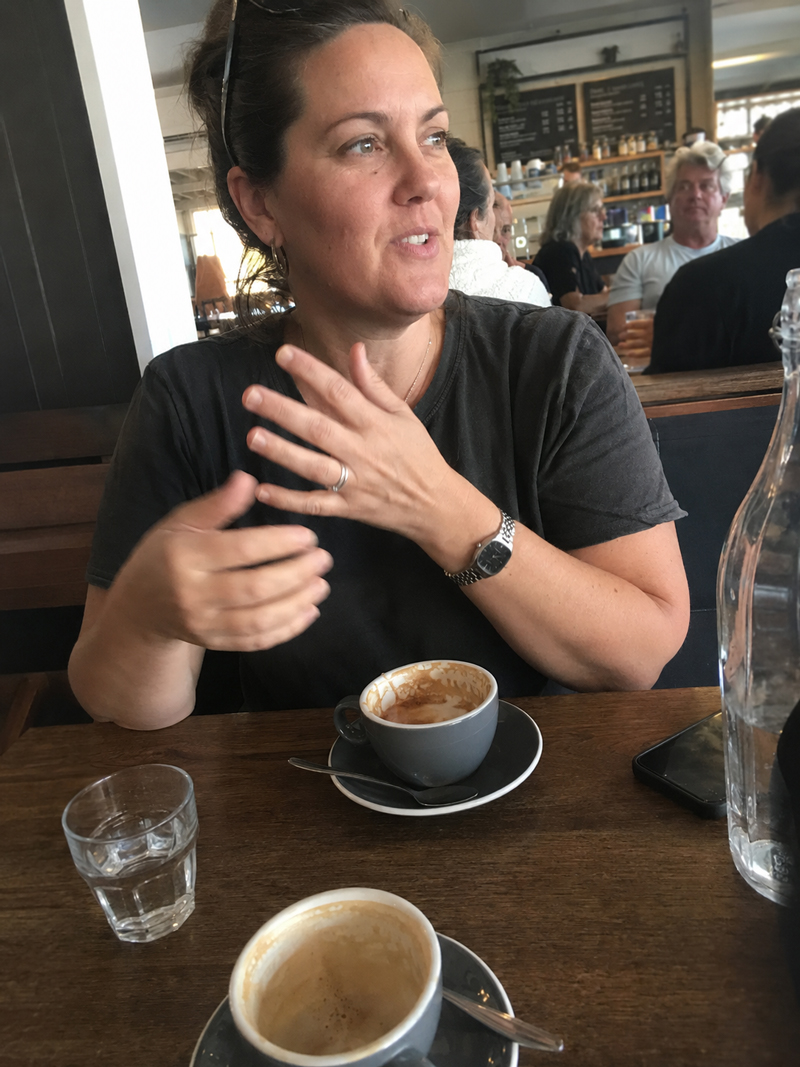
Jenny and I used to work together. We hadn’t caught up properly in months.
Halfway through our coffee, she asked how I’d been.
I gave her my usual answer.
“Fine. Just tired. It’s been one of those years.”
Normally, people nodded and moved on.
Jenny didn’t.
She looked at me and said, “I used to say exactly that.”
She told me she had spent years blaming her symptoms on work, ageing and not getting enough sleep.
Then she said something that stayed with me:
“I eventually realised I didn’t need another supplement. I needed to know what was actually going on.”
Jenny had completed a Vively Baseline Health Check.
Instead of looking at only a small selection of results in isolation, it assessed more than 70+ blood markers across key areas of health.
Her results were then reviewed with a qualified practitioner, who explained which markers mattered for her, how they related to one another and what practical steps she could take next.
It wasn’t simply a report full of medical terminology.
It gave her a starting point.
A baseline.
Something measurable.
And because Vively included follow-up testing as part of the program, she could see whether the changes she made were actually moving her health in the right direction.
That was the part that caught my attention.
She wasn’t guessing whether she was improving.
She could see it.
A week later, I booked my own check.
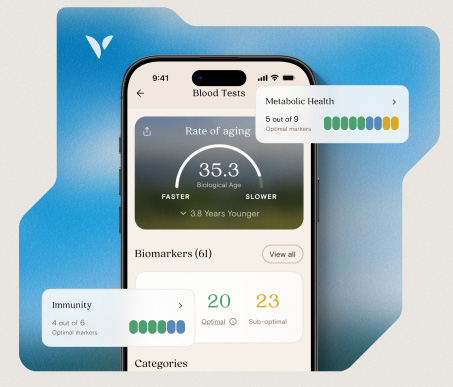
The process was much simpler than I expected.
I booked online, completed my pathology collection and had more than 70 markers assessed across areas such as:
But the number of markers wasn’t the most valuable part.
The difference was seeing them together.
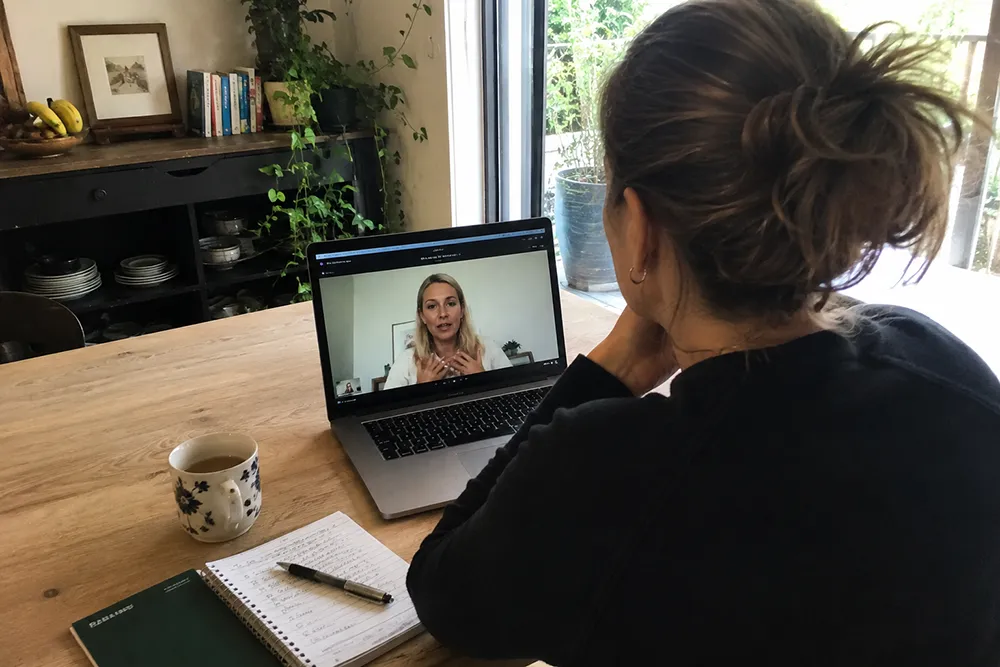
After my results arrived, I had a consultation with a practitioner who walked me through the full picture.
What was looking good.
What deserved attention.
Which results might help explain how I had been feeling.
And what to work on first.
For the first time, my health didn’t feel like a pile of unrelated symptoms.
It looked like something I could understand.
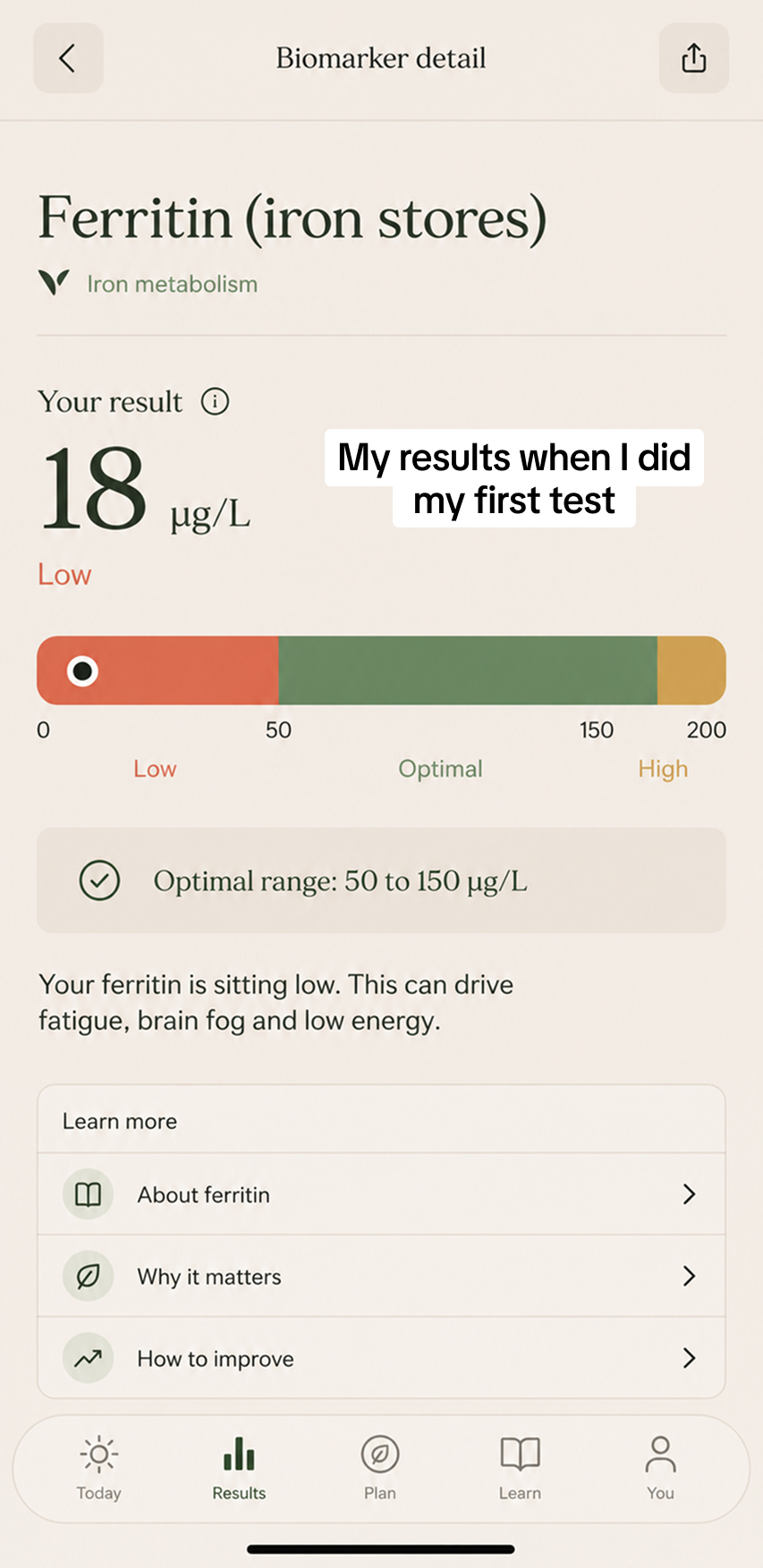
One marker immediately stood out.
My ferritin - a measure used to help assess the iron stored in the body - was sitting close to the lower end of the range shown in my results.
That result alone didn’t provide a diagnosis. Iron markers need to be considered alongside symptoms, other blood results and individual medical history.
But in my case, it was an important piece of the puzzle.
The practitioner explained that lower iron stores can be associated with symptoms such as fatigue, difficulty concentrating, reduced exercise tolerance and breathlessness.
Symptoms I had spent years blaming on age, stress and not being fit enough.
What surprised me most was that a similar result had appeared on an earlier test.
It hadn’t been hidden.
It simply hadn’t seemed significant when viewed on its own and within the broader context of that appointment.
Now, considered alongside my symptoms and other results, it was worth addressing.
I sat there staring at the screen.
For two years, I had been calling myself lazy.
And here was a measurable reason that may have been contributing to how I felt.
I wasn’t imagining it.
I wasn’t failing at being healthier.
I had simply been trying to solve the problem without enough information.
The practitioner didn’t hand me a generic list of wellness tips.
We spoke about my specific results, my diet, my routines and the factors that might be relevant to me.
She explained what I should discuss with my GP, what changes could be considered and when it would make sense to test again.
That distinction mattered.
Because information without direction can create even more confusion.
I didn’t need seventy numbers and a search engine.
I needed someone to help me understand:
What matters?
What should I do first?
How will I know whether it’s working?
I left with a practical plan built around my actual results rather than another recommendation from social media.
Then, a few months later, I checked again.
Before Vively, I would try something for a few weeks and judge it entirely by how I felt that day.
If I had more energy, perhaps it was working.
If I had a bad afternoon, perhaps it wasn’t.
There was no clear feedback.
The follow-up test gave me that feedback.
I could compare my new results with my original baseline and see which markers had shifted.
Some improved.
Some needed more work.
And some had been healthy from the beginning and didn’t require my attention at all.
That was surprisingly freeing.
I stopped trying to fix everything.
I focused on what my body actually needed.
Over time, I began noticing changes outside the report too.
I could get through the afternoon
I could get through the afternoon without feeling as though someone had pulled the plug out of me.
I could read an email once and remember what it said.
I could stand at my son’s footy without quietly calculating how soon I could escape to the car.
They sound like small things when I write them down.
But when you haven’t felt like yourself for two years, getting those ordinary parts of your life back doesn’t feel small at all.
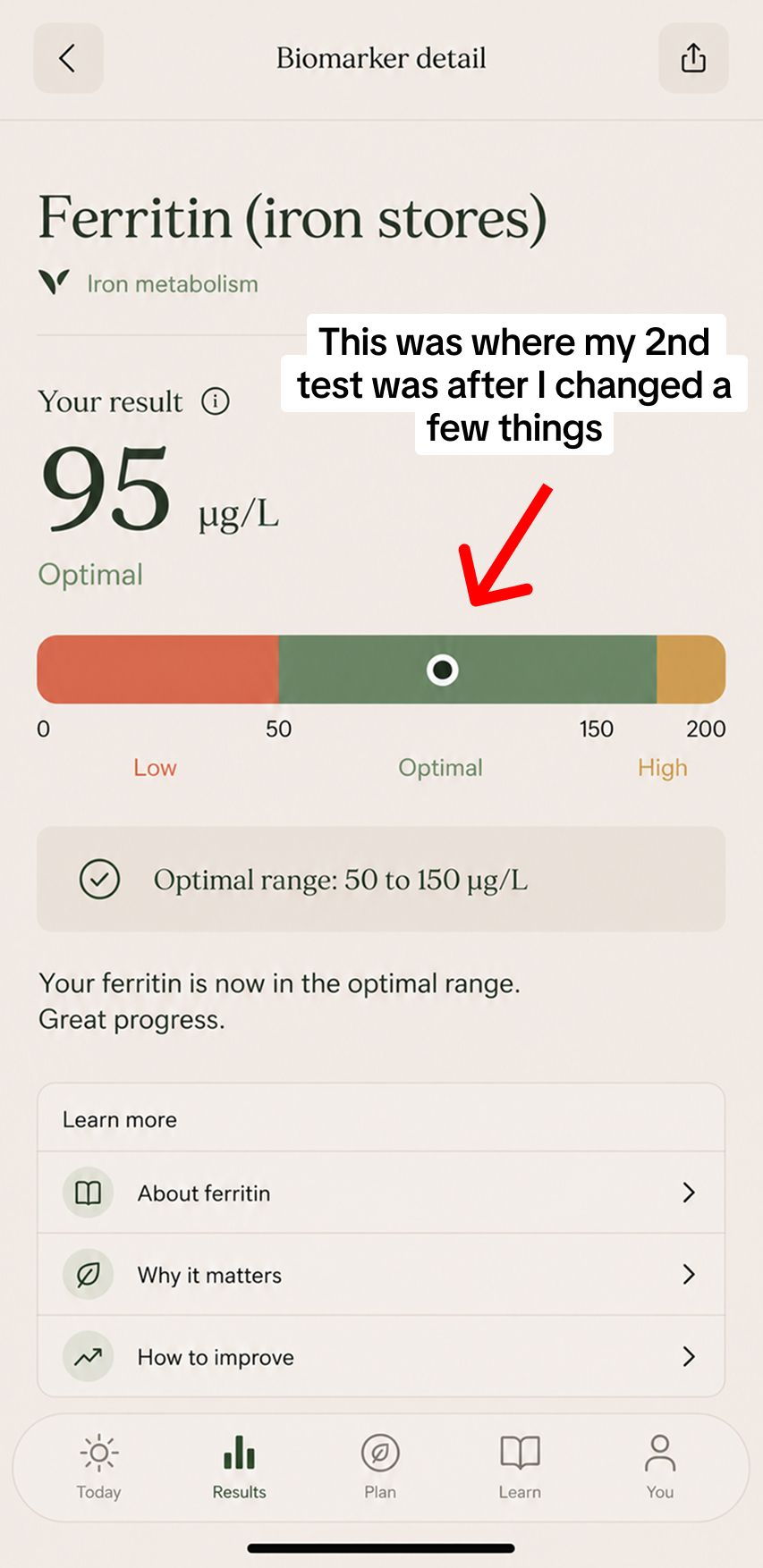
A few months later, I had my bloods checked again.
This time, I wasn’t opening the results with that familiar dread, wondering whether I’d be told everything looked “normal” while I continued feeling anything but.
I had something specific to look for.
My ferritin had moved from 18 µg/L to 95 µg/L.
The dot that had been sitting down near the bottom of my first report was now in the green optimal range.
For the first time, I wasn’t simply hoping that the changes I’d made were helping.
I could see that they were.
That was when I realised this wasn’t really about one blood test.
It was about having a way to measure what was happening, understand it, do something sensible about it and then check whether that something had actually worked.
Before Vively, I had been doing the exact opposite.
I felt tired, so I bought something for energy.
I felt foggy, so I tried something for focus.
My legs ached, so I blamed the mattress.
My weight wouldn’t move, so I blamed myself.
Every symptom became a separate problem, and every solution was another guess.
My Baseline Health Check helped me step back and see the whole picture.
I’m not going to pretend one result explained every feeling I’d had or that everything changed overnight.
That wouldn’t be true.
There were other markers worth paying attention to, and improving them took time. My practitioner also made it clear that anything requiring medical treatment or further investigation should be discussed with my GP.
But for the first time, I knew where to begin.
I knew which numbers mattered to me.
I knew which things didn’t need my attention.
And I had clear next steps based on what my body was showing-not what an influencer, an ad or the woman at work happened to swear by that week.
That clarity changed the way I thought about my health.
I stopped asking “What should I try next?”
And started asking “What does my body actually need?”
There’s a huge difference between the two.
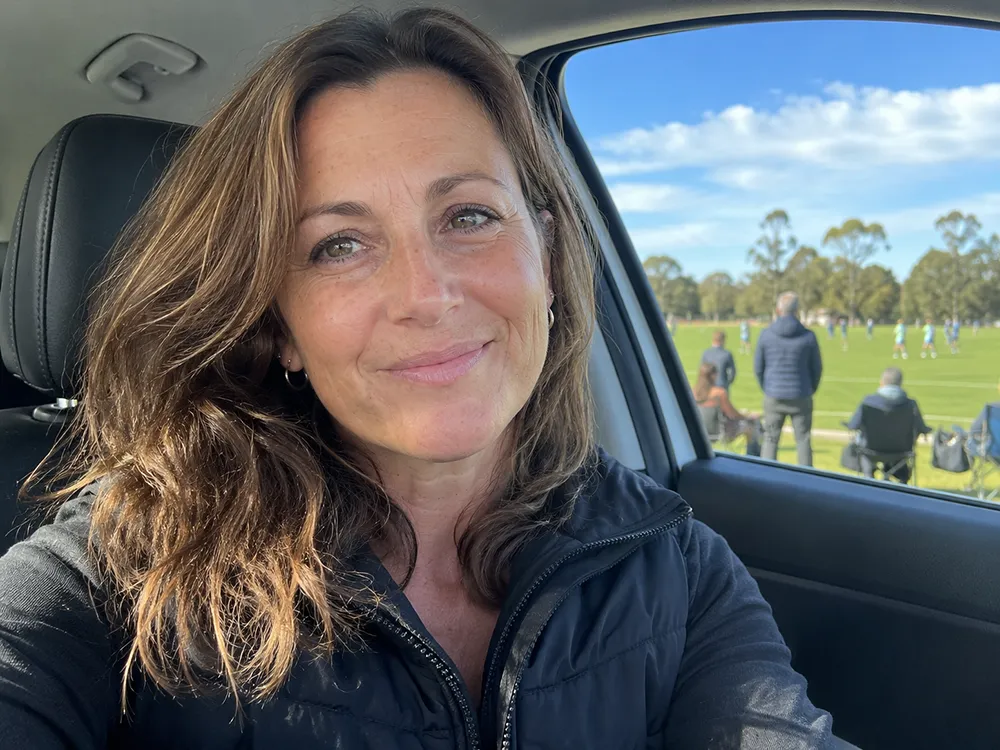
Maybe your version isn’t sitting in the car at Saturday footy.
Maybe it’s the 3 pm crash you’ve started planning your day around.
Maybe it’s reading the same sentence three times.
Maybe it’s waking up tired after a full night’s sleep.
Maybe it’s the weight that suddenly feels harder to shift, the low motivation you can’t explain or the feeling that you’ve become a flatter, foggier version of yourself.
And maybe you’ve already been told your bloods are “fine”.
That doesn’t automatically mean something serious has been missed.
A standard blood test and a Baseline Health Check simply start with different questions.
A standard test is generally designed to help investigate symptoms, identify disease and flag results that require medical attention.
Vively asks an additional question:
What does the broader pattern across your health markers show and what could you improve from here?
That is why the Baseline Health Check reviews more than 70 health markers across areas such as iron status, metabolic health, thyroid function, inflammation, nutrient status, cardiovascular health, liver and kidney function.
Your results are considered against both clinical and optimal ranges, then translated into plain English by a qualified health practitioner.
Not just: “Here are your numbers”
But “Here’s what stands out, here’s what may matter for you and here’s what to do next”
And if nothing needs changing, they tell you that too.
This was important to me.
I didn’t want another piece of paper full of abbreviations that I would end up searching one by one at midnight.
With Vively, the process was straightforward.
I signed up online.
Vively arranged the pathology referral, which was reviewed by a doctor.
I visited a nearby pathology collection centre for the blood draw.
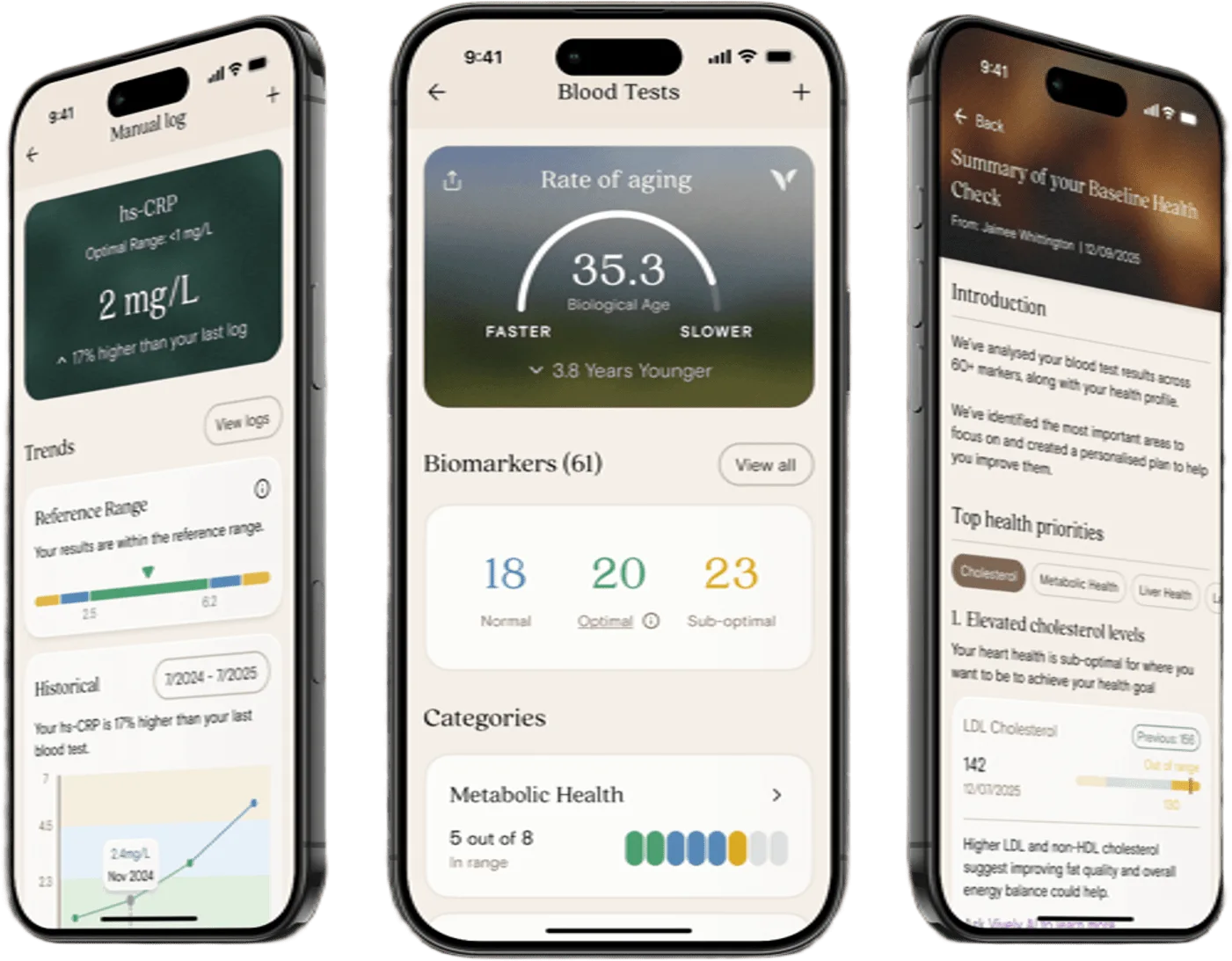
My results appeared in the Vively app, where I could see what was sitting within range, what was worth monitoring and what needed attention.
Then a practitioner walked me through the results and helped turn them into a practical plan.
And because health doesn’t stand still, I could test again and compare the results over time.
Measure. Understand. Act. Re-check.
That is the mechanism.
Not guessing.
Not trying everything at once.
Not assuming a supplement is working because the label promised it would.
Actually seeing whether your numbers are moving in the right direction.
The physical improvement mattered.
Of course it did.
But the biggest change was more personal than that.
I stopped calling myself lazy.
I stopped feeling guilty every time I needed to sit down.
I stopped wondering whether I was simply getting older and handling it badly.
There was something incredibly relieving about seeing that my body had been asking for attention-not punishment.
And once I could see what was happening, I could finally respond to it properly.
You may have already bought the vitamins.
Changed your diet.
Gone to bed earlier.
Cut out coffee.
Added more coffee.
Promised yourself you’d exercise more once you had enough energy to exercise more.
Perhaps some of it helped.
Perhaps none of it did.
But without a clear starting point, how are you meant to know?
Your body produces measurable information every day.
The Baseline Health Check helps turn that information into something you can understand and act on.
It starts with more than 70 health markers, a personalised review and a clear plan based on your results.
Vively then gives you a way to re-check your progress, so you can see what is changing rather than relying on guesswork.
The Baseline Membership starts at $99 per month and includes ongoing testing, practitioner support and personalised health guidance.
Maybe you really are “just tired”.
Maybe the answer is simple.
But wouldn’t you rather know than spend another year explaining it away?
I spent two years doing that.
Two years buying things, blaming myself and accepting “fine” as the best answer I was going to get.
The day things changed wasn’t the day I discovered the perfect supplement.
It was the day I stopped guessing.
.png)

Vively is a general wellness platform and does not provide medical advice, diagnosis, or treatment. Any information, insights or guidance offered through our app, website, programs, or coaches is for educational and informational purposes only and should not be considered a substitute for professional medical advice or care. Always consult a qualified healthcare provider before making any health-related decisions.
We acknowledge the Traditional Custodians of the lands where we live and work, the Gadigal of the Eora Nation. We pay our respects to their Elders past and present.

.png)

.svg)