








4.7 rating
30,000+ members

Continuous glucose monitors (CGM) in Australia

A continuous glucose monitor (CGM) is a small sensor that records your glucose every few minutes. Learn how CGMs work, what they cost in Australia, and how Vively's program helps people without diabetes understand their readings.
The basics

What is a continuous glucose monitor (CGM)?

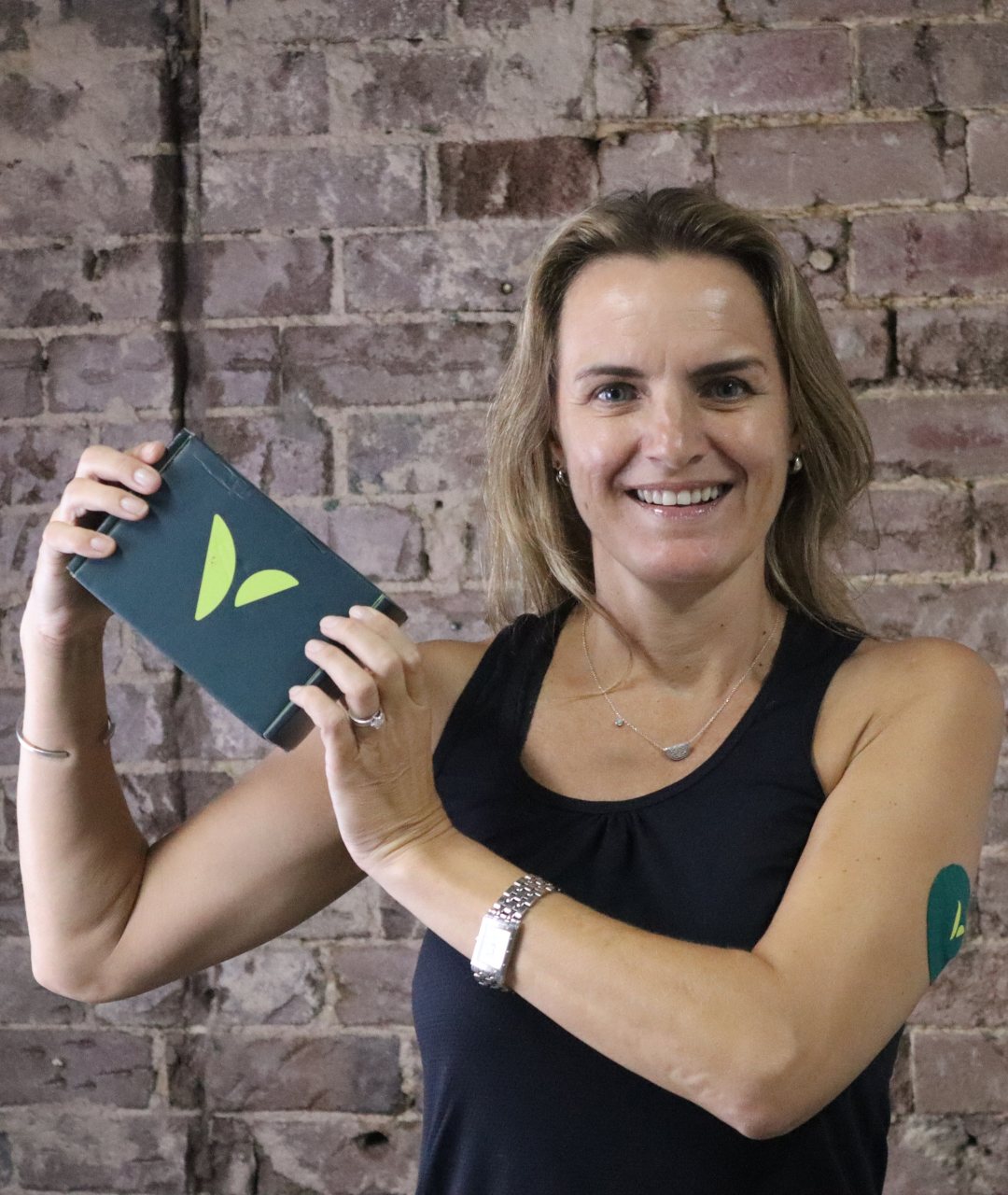
A continuous glucose monitor is a small sensor you wear on your skin, usually on the back of your upper arm. A thin, flexible filament sits just under the skin and measures glucose in the fluid between your cells. The sensor sends readings to an app on your phone, day and night, for 10 to 15 days before you replace it.

A CGM is a measurement tool. It does not diagnose diabetes or treat any condition.

How a CGM works

  • An applicator inserts the filament in a second or two. Most people feel a quick pinch, or nothing at all.
  • After a warm-up of 30 to 60 minutes, the sensor reads your glucose every 1 to 5 minutes, depending on the brand.
  • Glucose takes around 6 to 12 minutes to move from your blood into the fluid a CGM reads, so readings run a little behind a finger-prick test.
  • Your app turns those readings into a line you can compare with meals, exercise and sleep.

Before you apply a sensor, read our guide on where to put a CGM.

Is a CGM a glucose patch?

Yes. People often call a CGM a glucose patch or blood sugar patch, because the sensor sits on your arm like a small round patch held on with adhesive. It measures glucose through a thin filament under the skin. Watches, rings and stickers that claim to read glucose without going under the skin are a different thing: in 2024 the US FDA warned people not to use them to measure glucose. If you buy a glucose patch in Australia, check that it is a CGM listed on the Australian Register of Therapeutic Goods (ARTG).

CGM options in Australia

Several CGMs are sold in Australia. Paying privately, they cost roughly $42 to $154 for every 14 days of wear.

SensorWear timeCost per 14 daysNDSS subsidy
Vively CGM programSibionics GS3 with the Vively app and programApp and program included14 days$125 to $199No
CareSens Air15 days$42 to $51No
Dexcom ONE+10 days$87 to $94No
Sibionics GS3Sensor only14 days$89 to $99No
FreeStyle Libre 2 Plus15 days$95Yes, if eligible
Accu-Chek SmartGuide14 daysAbout $100Not listed
Dexcom G710 days$154Yes, if eligible

Prices from each seller's website, checked 21 October 2026. Other sensors are priced on their own; Vively's price includes the Vively app and program. See the full CGM cost guide for pack prices, subscriptions and NDSS co-payments. Wondering about Levels, Lingo or Stelo? Read whether wellness CGMs are available in Australia.

These sensors are designed and approved for people with diabetes. Their apps show readings against targets set for diabetes care, usually 3.9 to 10.0 mmol/L, the international consensus target range for people with diabetes. That range is wide for someone without diabetes, so the app can show "in range" for patterns you may still want to understand.

Vively

A CGM program for people without diabetes

Hardware alone gives you a line on a graph. Vively's CGM program is built for people without diabetes who want to understand how food, sleep, activity and stress affect their glucose, and what to change.

  • A range that suits you: the Vively app shows your readings against a 4 to 6 mmol/L range, rather than a range set for diabetes care.
  • Guidance on what to change: log meals, sleep and activity, and see how each one shows up in your glucose.
  • Your blood markers in the same place: see your glucose alongside your blood test results and other health data in one app.
  • Dietitian coaching: available when you upgrade to the $99 a month Vively membership.
  • The sensor: each Sibionics GS3 sensor is worn for up to 14 days, sends a reading every 5 minutes and is factory calibrated. You do not need a prescription to order.

Vively CGM prices

1 sensor$199Up to 14 days of readings
2 sensors$358$179 per sensor
4 sensors$499$124.75 per sensor

Every pack includes the Vively app and the program.

See the CGM programCompare CGM costs
Experience

Created by renowned Australian GP Dr Michelle Woolhouse

25+ years
experience
Health
podcast host
Author of The
Wonder Within
Whole body
medicine specialist
Dr Michelle Woolhouse
MBBS, FRACGP, ACNEM, FASLM and Grad Dip. Mind-Body Medicine
FAQ

Continuous glucose monitor questions

What is a CGM?

A continuous glucose monitor (CGM) is a small wearable sensor that measures glucose in the fluid under your skin every few minutes and sends the readings to an app on your phone. Each sensor is worn for 10 to 15 days.

How much does a CGM cost in Australia?

Paying privately, most CGM sensors cost about $42 to $154 for every 14 days of wear, depending on the brand and whether you subscribe. Vively's CGM program costs $199 for one sensor, $358 for two and $499 for four, including the Vively app and program. Our CGM cost guide compares every option.

Do I need a prescription for a CGM?

No. You can buy a CGM privately in Australia without a prescription, and you do not need a doctor's referral to order a sensor through Vively. Subsidised sensors through the NDSS need an authorised diabetes health professional to certify your application.

What glucose range does the Vively app use?

The Vively app shows your readings against a 4 to 6 mmol/L range. Apps made for diabetes care usually use 3.9 to 10.0 mmol/L, the international consensus target for people with diabetes.

Can I get a CGM through the NDSS?

Subsidised CGMs through the NDSS are for people with type 1 diabetes and some other eligible groups. Everyone else, including people with type 2 diabetes, pays privately.

Are CGMs accurate?

Current CGMs are accurate enough for daily use, though not identical to a blood test. Accuracy is measured as MARD, where lower is better, and published figures for sensors sold in Australia sit below 10%. If a reading does not match how you feel, check it with a finger prick.

Is a CGM the same as a glucose patch?

Yes. "Glucose patch" and "blood sugar patch" are common names for a CGM, because the sensor sits on your skin like a small round patch. It measures glucose through a thin filament under the skin. In 2024 the US FDA warned against smartwatches and rings that claim to measure glucose without going under the skin.

Where do I put a CGM?

Most sensors go on the back of the upper arm, on a flat spot you will not lie on or bump. Always follow your sensor's instructions. Our guide on where to put a CGM covers placement and common mistakes.

Sources