STEP-TEMBER SALE NOW ON | $99 per CGM | ENDS 7TH SEPTEMBER | LOWEST PRICE EVER











If you’re looking at Vively vs Sibionics G3 CGM, it can seem like you’re comparing two similar glucose sensors. They both track glucose. They both involve a wearable device.
But they are built for completely different reasons.
The simplest way to understand it:
That difference in purpose changes everything.
Both use continuous glucose monitoring (CGM) technology. That means glucose levels are tracked throughout the day instead of just from a single finger-prick test.
That’s where the similarity largely ends. What matters is why the data is being collected and how it’s used.
The Sibionics G3 CGM is a glucose monitoring device used in the context of diabetes care.
For someone with diabetes, glucose data is critical for:
Here, glucose monitoring is about managing a diagnosed medical condition and maintaining levels within safe ranges.
In short: It’s built for diabetes monitoring.
What is Vively designed for?
Vively is not designed as a diabetes management system. It’s a metabolic health platform that uses CGM data to help people better understand how their body responds to everyday life.
With Vively, glucose data is used to explore things like:
The focus is on patterns and awareness, not medical treatment.
In short: It’s about understanding your metabolic responses, not managing a disease.
Ready to understand what your glucose is really telling you? Explore the Vively CGM Program and see how everyday habits shape your metabolic health.

It’s not about one being more advanced. They are solving different problems.
In diabetes care, glucose monitoring is about safety and stability. The data helps reduce risk and manage a condition.
In a metabolic health context, glucose data becomes a way to understand:
It’s a shift from treatment to self-understanding.
Sibionics G3 makes sense if someone:
That’s a condition-management scenario.
Vively is designed for people who:
That’s a lifestyle and metabolic awareness scenario.
It is designed for glucose monitoring in the context of diabetes care.
Vively uses CGM data within a metabolic health platform rather than for diabetes management.
CGMs are increasingly used to understand personal glucose response patterns and broader metabolic trends.
Sibionics G3 is focused on diabetes monitoring. Vively focuses on metabolic health insights for people without diabetes.
The technology may look similar, but the purpose, context and people it’s built for are very different.
START YOUR BASELINE
Most of what we write about here shows up in your blood work. A Vively Baseline Health Check covers 60+ biomarkers, reviewed 1:1 with a registered nurse. $99 to start your membership.
Get my baseline · $99Subscribe to our newsletter & join a community of 30,000+ Aussies
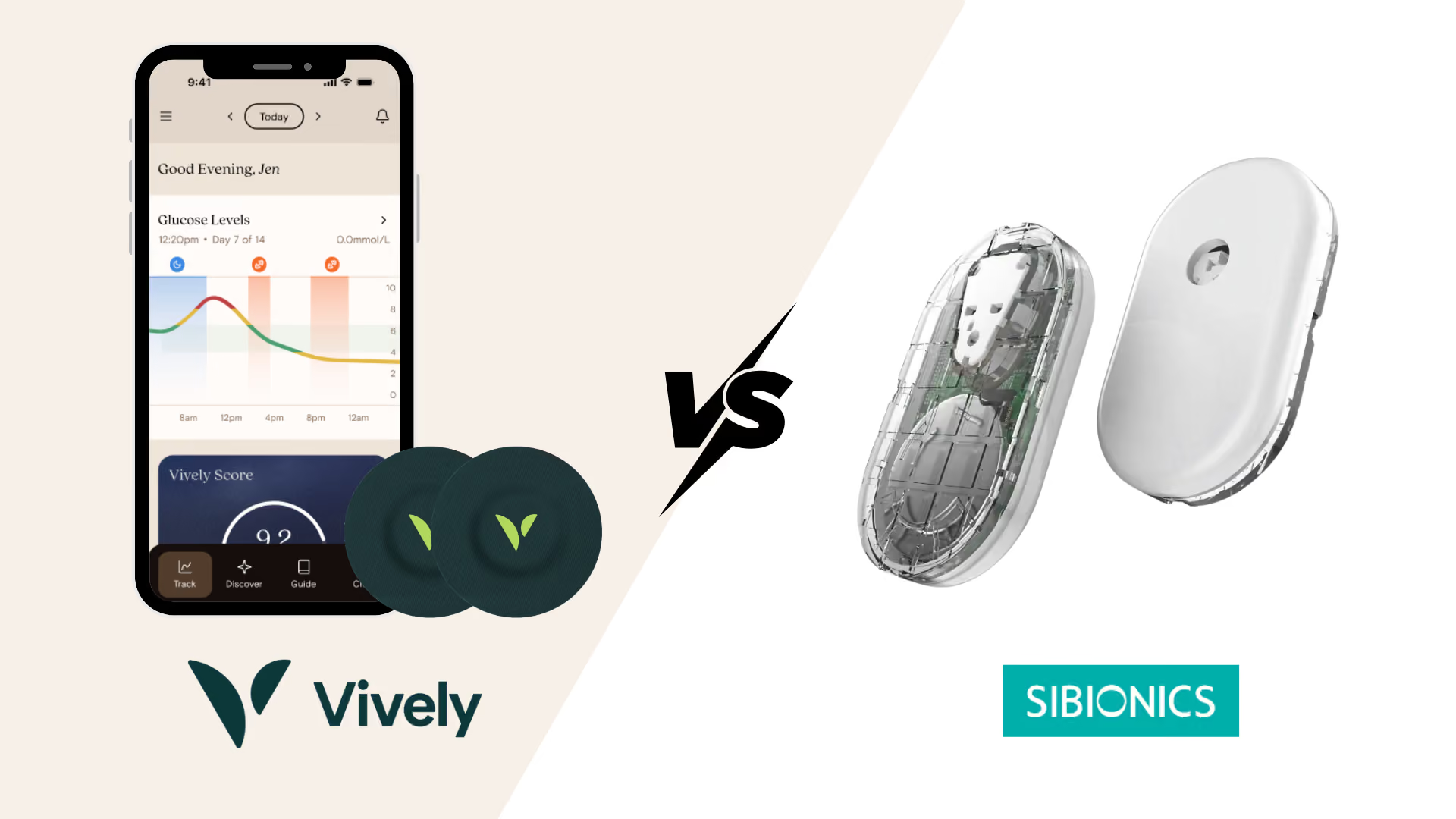
If you’re looking at Vively vs Sibionics G3 CGM, it can seem like you’re comparing two similar glucose sensors. They both track glucose. They both involve a wearable device.
But they are built for completely different reasons.
The simplest way to understand it:
That difference in purpose changes everything.
Both use continuous glucose monitoring (CGM) technology. That means glucose levels are tracked throughout the day instead of just from a single finger-prick test.
That’s where the similarity largely ends. What matters is why the data is being collected and how it’s used.
The Sibionics G3 CGM is a glucose monitoring device used in the context of diabetes care.
For someone with diabetes, glucose data is critical for:
Here, glucose monitoring is about managing a diagnosed medical condition and maintaining levels within safe ranges.
In short: It’s built for diabetes monitoring.
What is Vively designed for?
Vively is not designed as a diabetes management system. It’s a metabolic health platform that uses CGM data to help people better understand how their body responds to everyday life.
With Vively, glucose data is used to explore things like:
The focus is on patterns and awareness, not medical treatment.
In short: It’s about understanding your metabolic responses, not managing a disease.
Ready to understand what your glucose is really telling you? Explore the Vively CGM Program and see how everyday habits shape your metabolic health.
It’s not about one being more advanced. They are solving different problems.
In diabetes care, glucose monitoring is about safety and stability. The data helps reduce risk and manage a condition.
In a metabolic health context, glucose data becomes a way to understand:
It’s a shift from treatment to self-understanding.
Sibionics G3 makes sense if someone:
That’s a condition-management scenario.
Vively is designed for people who:
That’s a lifestyle and metabolic awareness scenario.
It is designed for glucose monitoring in the context of diabetes care.
Vively uses CGM data within a metabolic health platform rather than for diabetes management.
CGMs are increasingly used to understand personal glucose response patterns and broader metabolic trends.
Sibionics G3 is focused on diabetes monitoring. Vively focuses on metabolic health insights for people without diabetes.
The technology may look similar, but the purpose, context and people it’s built for are very different.
Get irrefutable data about your diet and lifestyle by using your own glucose data with Vively’s CGM Program. We’re currently offering a 20% discount for our annual plan. Sign up here.
.avif)
Medical Writer
Annia Soronio is Vively's Medical Researcher and Writer.



Discover how controlling your glucose levels can aid in ageing gracefully. Learn about the latest research that links glucose levels and ageing, and how Vively, a metabolic health app, can help you manage your glucose and age well.


Delve into the concept of mindful eating and discover its benefits, including improved glucose control and healthier food choices. Learn about practical strategies to implement mindful eating in your daily life.


Understand the nuances of polycystic ovary syndrome (PCOS) testing in Australia, the importance of early diagnosis, and the tests used to effectively diagnose the condition. Also, find out when these diagnostic procedures should be considered.
.png)

Vively is a general wellness platform and does not provide medical advice, diagnosis, or treatment. Any information, insights or guidance offered through our app, website, programs, or coaches is for educational and informational purposes only and should not be considered a substitute for professional medical advice or care. Always consult a qualified healthcare provider before making any health-related decisions.
We acknowledge the Traditional Custodians of the lands where we live and work, the Gadigal of the Eora Nation. We pay our respects to their Elders past and present.
 Share
Share Tweet
Tweet Share
Share

.svg)