What is DHEA?
DHEA, or dehydroepiandrosterone, is a steroid hormone produced mainly by the adrenal glands, with smaller amounts made by the ovaries in women and the testes in men. It is one of the most abundant hormones in the body and serves as a precursor, or building block, for other sex hormones including testosterone and oestrogen. Because DHEA has a very short half-life in the bloodstream, most laboratories measure the sulfated form (DHEA-S), which is more stable and easier to interpret.
DHEA-S results are reported in micromoles per litre (μmol/L) in Australia. Testing is commonly used to assess adrenal function, investigate hormonal symptoms such as unwanted hair growth, acne, low libido or fatigue, and screen for conditions like PCOS, congenital adrenal hyperplasia and adrenal tumours. You can read more in our guide to normal hormone levels in Australian adults.
Why does DHEA matter for long-term health and wellbeing?
DHEA and DHEA-S peak in your 20s and 30s and then decline steadily, dropping to around 20 to 30 percent of peak levels by your 70s. This decline has been linked with changes in energy, mood, cognition, libido, muscle mass, bone density and immune function, though the relationship between DHEA levels and healthy ageing is still being researched. As a precursor to sex hormones, DHEA quietly supports many systems that affect long-term wellbeing.
DHEA also has an important relationship with cortisol, the main stress hormone. The two hormones share pathways and often shift together, and the ratio between them is sometimes used to assess long-term adrenal and stress patterns. Tracking DHEA alongside cortisol can offer useful preventative insight into how your body is coping with stress over time, and it is one of the hormone markers Vively considers as part of its baseline health testing.
What is an ideal DHEA level?
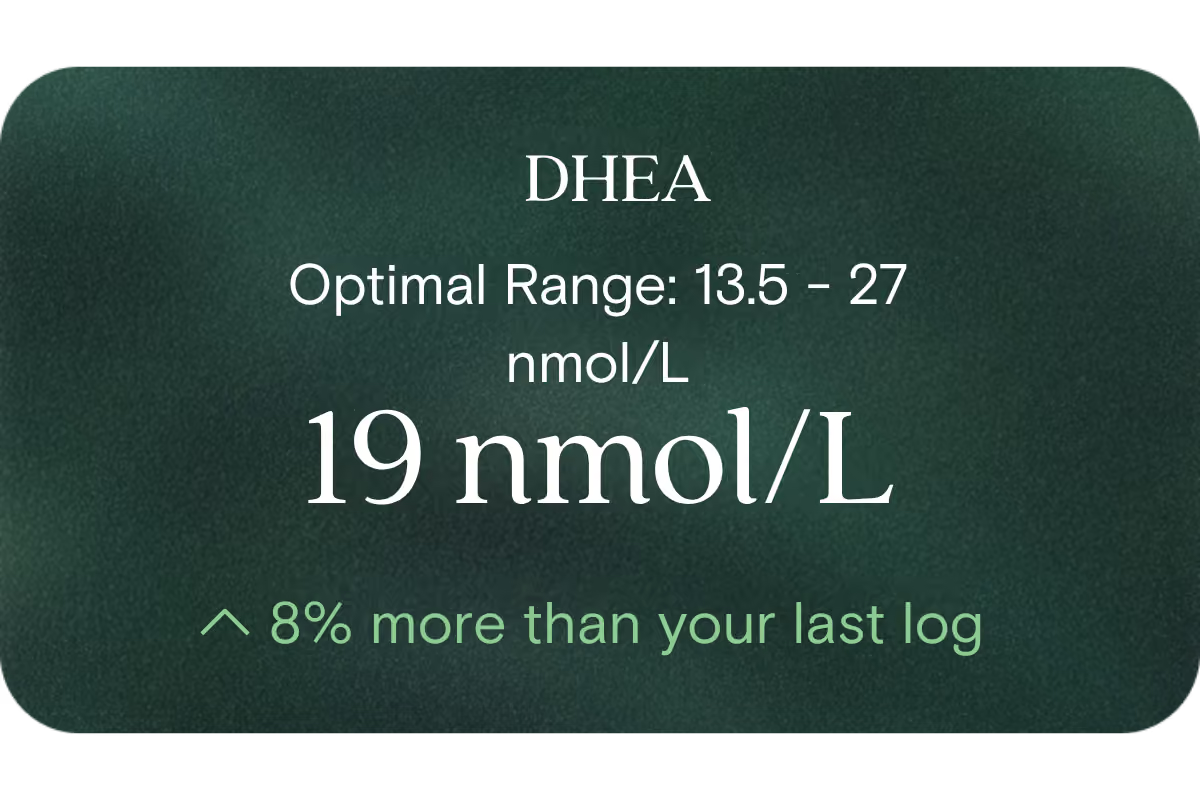
Reference ranges vary significantly by age and sex, and DHEA-S declines steadily with age. In broad terms, Australian adult men typically sit around 1.7 to 13 μmol/L and adult women around 0.8 to 9 μmol/L, with both dropping meaningfully across each decade of life. Individual laboratory ranges vary, so always read your own result against the reference range provided on your pathology report.
There is no single perfect number, and interpretation depends on your age, sex, symptoms, medications (particularly corticosteroids, DHEA supplementation and hormonal contraceptives), stress, chronic illness and other hormone markers such as cortisol, testosterone, oestradiol and prolactin. A trend over time and the context of symptoms is often more informative than a single reading.
What influences DHEA levels?
Age is the single biggest influence, since DHEA production naturally declines from your late 20s onward. Sex, life stage and genetics also play a role, as does chronic stress, which over time can reduce DHEA production while cortisol remains elevated. Chronic illness, malnutrition, over-training, poor sleep and burnout can all lower DHEA.
Body composition, metabolic health and insulin resistance influence DHEA too, particularly in women with PCOS, where DHEA-S is often elevated. Medications including corticosteroids, opioids, oral contraceptives, hormonal therapies and DHEA supplements can significantly shift levels, as can conditions of the adrenal or pituitary glands. In Australia, DHEA supplements are prescription-only (Schedule 4) rather than available over the counter, so any DHEA supplementation should be discussed with your GP.
What are the symptoms of low DHEA?
Low DHEA can contribute to persistent fatigue, low libido, low mood, poor stress tolerance, reduced muscle mass, joint aches, brain fog, dry skin and thinning body hair. In women, low DHEA may also worsen symptoms of menopause, sexual dysfunction and vaginal dryness. Symptoms are rarely specific to DHEA on its own, since so many overlap with other hormonal, thyroid and nutrient issues.
In people with adrenal insufficiency (such as Addison's disease), low DHEA usually appears alongside low cortisol, and symptoms can include weight loss, dizziness on standing, salt cravings and skin darkening. Any suggestion of significantly low DHEA alongside symptoms should always be reviewed medically rather than self-diagnosed.
What causes low DHEA?
The most common cause of gradually declining DHEA is age itself, with production naturally falling year by year after the late 20s. Chronic physical or psychological stress, burnout, poor sleep, undernutrition, over-training and chronic illness can accelerate the decline, in what is often described as HPA-axis dysregulation. Depression, chronic pain, obstructive sleep apnoea and post-viral syndromes can also lower DHEA.
Medical causes of significantly low DHEA include primary adrenal insufficiency (Addison's disease), secondary adrenal insufficiency (where the pituitary is not producing enough ACTH), long-term use of corticosteroid medications and hypopituitarism. Some medications, including opioids, oral contraceptives and certain antipsychotics, can also lower DHEA. Any suspected adrenal insufficiency warrants prompt medical review.
What are the symptoms of high DHEA?
In women, high DHEA-S can cause symptoms of androgen excess such as unwanted facial or body hair (hirsutism), acne, oily skin, hair thinning on the scalp, irregular or absent periods and difficulty conceiving. In more significant elevations, additional signs can include voice deepening, increased muscle mass and, rarely, virilisation. High DHEA is most commonly seen in PCOS, but it can also point to congenital adrenal hyperplasia (CAH), adrenal tumours or Cushing's syndrome.
In men, high DHEA-S often causes few obvious symptoms because DHEA is only one of several sources of androgens. Very high levels, particularly in younger boys, can signal precocious puberty or congenital adrenal hyperplasia. Any symptoms of androgen excess should be reviewed by your GP alongside relevant tests.
What causes high DHEA?
The most common cause of mildly to moderately raised DHEA-S is PCOS, where the adrenals often contribute to overall androgen excess alongside the ovaries. Congenital adrenal hyperplasia (CAH), a group of inherited conditions affecting cortisol production, can also cause elevated DHEA-S, particularly in non-classic (late-onset) forms that may not be diagnosed until adulthood. Adrenal tumours, adrenal hyperplasia and Cushing's syndrome are less common but important causes, particularly when DHEA-S is very high.
DHEA supplementation, anabolic steroid use and some medications can also raise DHEA-S. Stress, insulin resistance and metabolic syndrome are frequently associated with mildly elevated DHEA-S, and our article on how to tell if you are insulin resistant explores this closely related pattern. Very high results always warrant medical review to rule out significant underlying causes.
What does it mean if DHEA is outside the optimal range?
A low DHEA result may reflect natural ageing, chronic stress, burnout, chronic illness, medication effects or, less commonly, adrenal insufficiency or pituitary problems. It does not diagnose any single condition on its own, but is a signal worth exploring, particularly if it is markedly low or accompanied by symptoms of fatigue, weakness or hormonal imbalance.
A high DHEA-S is most often related to PCOS or lifestyle factors but can also point to congenital adrenal hyperplasia, adrenal tumours or Cushing's syndrome. Both very high and very low results deserve clinical attention. As with all hormones, patterns over time and the context of your other markers matter far more than any single reading.
Can DHEA be normal but something still be wrong?
Yes, a normal DHEA level does not always rule out adrenal, reproductive or metabolic issues. Because DHEA is one of many hormones in the adrenal and sex-hormone pathway, related problems may show up more clearly in cortisol, ACTH, testosterone, SHBG, oestradiol, prolactin or 17-hydroxyprogesterone. Timing, medications, biotin supplements (which can interfere with some assays) and recent illness can also affect results.
DHEA-S can also look "normal for age" while still reflecting suboptimal adrenal or hormonal function in someone with clear symptoms. This is why it is best interpreted alongside a wider hormone panel, symptom history and clinical context, and why repeat testing is sometimes needed. Our guide to the cortisol blood test in Australia explains how DHEA and cortisol are usually assessed together.
What other markers should be checked with DHEA?
Cortisol is the most important companion, since DHEA and cortisol share pathways and their relationship gives insight into overall adrenal function and stress patterns. ACTH is added when investigating adrenal or pituitary abnormalities, and 17-hydroxyprogesterone helps screen for congenital adrenal hyperplasia. Testosterone, SHBG and free androgen index are important for identifying androgen excess or deficiency, particularly in PCOS.
Oestradiol, progesterone, FSH, LH and prolactin add context in women, and TSH and free T4 help exclude thyroid contributions to overlapping symptoms. Metabolic markers such as HbA1c, fasting glucose, fasting insulin and lipids are useful, particularly when insulin resistance or PCOS is suspected, and hs-CRP, vitamin D, ferritin and B12 add further context for fatigue and hormonal imbalance. You can see the full set of markers Vively looks at through our tests page and shop tests page.
How can you improve DHEA to a healthier level?
Because DHEA is regulated by complex feedback loops and naturally declines with age, it cannot always be self-optimised, and there is no strong evidence that trying to push DHEA higher in healthy people improves wellbeing. That said, supporting your body's natural DHEA production through consistent sleep of 7 to 9 hours, effective stress management, balanced meals with adequate protein and healthy fats, managing blood sugar, regular movement (including strength training) and avoiding over-training or extreme calorie restriction is a sensible foundation. Treating underlying issues such as depression, sleep apnoea, chronic pain or thyroid dysfunction can also help.
Reducing chronic stress and prioritising recovery is often more important than any single supplement. DHEA supplements are Schedule 4 (prescription-only) in Australia and should only be considered under medical supervision, since they can shift sex hormones and cause side effects, particularly androgen excess in women. Vively's how it works page explains how testing, monitoring and dietitian coaching combine to make sustainable change practical.
When does DHEA need medical review?
See your GP if your DHEA-S is significantly outside the reference range for your age, or if it is accompanied by symptoms of adrenal insufficiency (persistent unexplained fatigue, weight loss, dizziness on standing, salt cravings, low blood pressure or skin darkening), or androgen excess (hirsutism, acne, hair thinning, irregular periods, difficulty conceiving or voice changes). Very high DHEA-S levels, particularly with a rapid onset of symptoms, need prompt review to rule out congenital adrenal hyperplasia, adrenal tumours or Cushing's syndrome.
Clinical input is also important if you have PCOS, adrenal or pituitary conditions, autoimmune disease, are pregnant, planning pregnancy, or take corticosteroid medication long-term. Any interest in DHEA supplementation should be discussed with your GP before starting, particularly for women. DHEA should never be self-diagnosed, as it is one piece of a bigger clinical picture your GP or endocrinologist can help you interpret.
How does Vively help you understand DHEA?
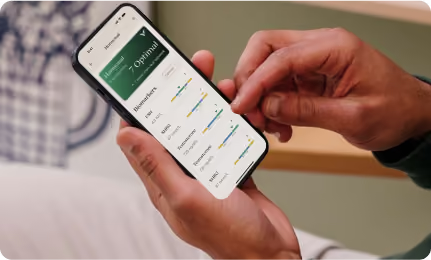
DHEA-S is one of the hormone markers included in Vively's dedicated hormone testing options, including the Menopause Hormone Test and the Vively Baseline Health Check, alongside cortisol, testosterone, SHBG, oestradiol, progesterone, prolactin, thyroid function, metabolic and inflammation markers and more than 60 other biomarkers in total. Rather than looking at DHEA in isolation, Vively interprets it in context with your other results, symptoms, life stage, medications and lifestyle. Where relevant, real-world glucose data from a continuous glucose monitor adds another layer of insight into how hormones are affecting your metabolism.
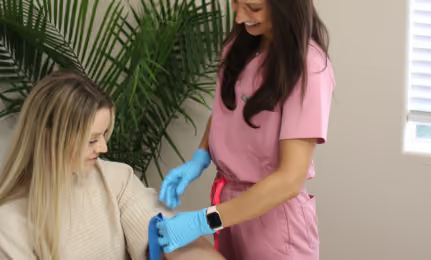
A registered nurse reviews your results with you one on one, and accredited practising dietitians support the changes that follow. Because your markers are retested over time, you can see how sleep, stress, nutrition, movement and, where appropriate, medical treatment are actually shifting your hormonal profile. Start at the Vively homepage or explore the full range of tests in the Vively shop.
References
- Royal College of Pathologists of Australasia. RCPA Manual: Dehydroepiandrosterone sulfate (DHEA-S). https://www.rcpa.edu.au/Manuals/RCPA-Manual/Pathology-Tests/D/DHEAS
- Healthdirect Australia. DHEA-S blood test. https://www.healthdirect.gov.au/
- Better Health Channel, Victorian Department of Health. Adrenal glands. https://www.betterhealth.vic.gov.au/health/conditionsandtreatments/adrenal-glands
- Royal Australian College of General Practitioners. Guidelines for preventive activities in general practice (Red Book). https://www.racgp.org.au/clinical-resources/clinical-guidelines/key-racgp-guidelines/view-all-racgp-guidelines/red-book
- Australian Prescriber. Adrenal insufficiency: identification and management. https://www.nps.org.au/australian-prescriber
- Nieman LK, Biller BM, Findling JW, et al. The diagnosis of Cushing's syndrome: an Endocrine Society clinical practice guideline. Journal of Clinical Endocrinology and Metabolism. 2008;93(5):1526 to 1540.
- Bornstein SR, Allolio B, Arlt W, et al. Diagnosis and treatment of primary adrenal insufficiency: an Endocrine Society clinical practice guideline. Journal of Clinical Endocrinology and Metabolism. 2016;101(2):364 to 389.
- Teede HJ, Tay CT, Laven J, et al. Recommendations from the 2023 International Evidence-based Guideline for the Assessment and Management of Polycystic Ovary Syndrome. Fertility and Sterility. 2023;120(4):767 to 793.
- Merke DP, Auchus RJ. Congenital adrenal hyperplasia due to 21-hydroxylase deficiency. New England Journal of Medicine. 2020;383(13):1248 to 1261.
- Genazzani AR, Pluchino N. DHEA therapy in postmenopausal women: the need to move forward beyond the lack of evidence. Climacteric. 2010;13(4):314 to 316.
- Cleveland Clinic. DHEA-S test. https://my.clevelandclinic.org/health/diagnostics/22194-dhea-sulfate-test
- Mayo Clinic. Adrenal insufficiency. https://www.mayoclinic.org/
- National Institutes of Health, Office of Dietary Supplements. Dehydroepiandrosterone (DHEA). https://ods.od.nih.gov/factsheets/DHEA-HealthProfessional/















.avif)


.svg)