Your glucose, explained.
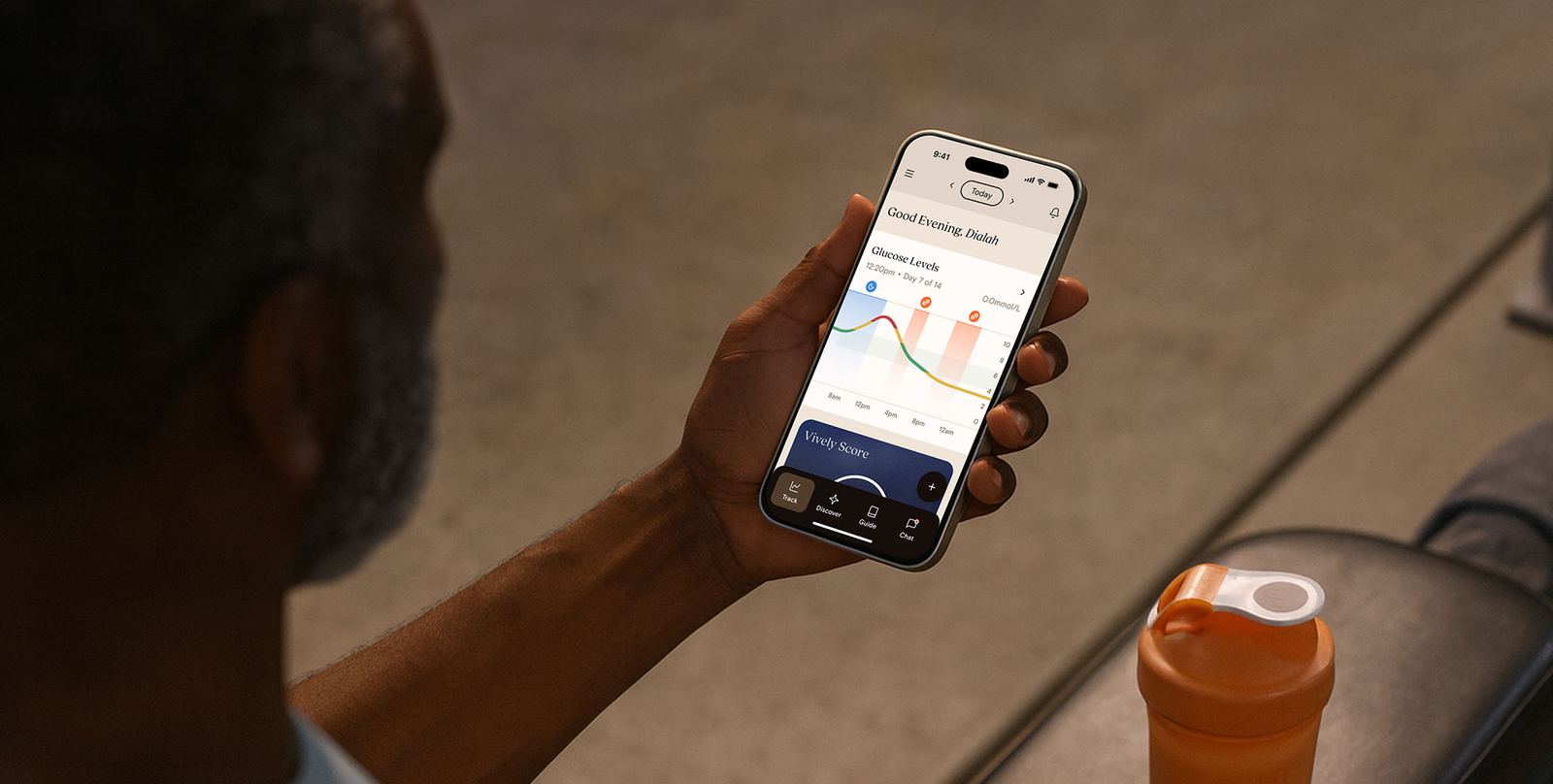
A sensor shows you numbers. Vively shows you what they mean for you, with daily insights from your body's own responses and a dietitian to go through your report with you.
- Set up step by step in the app, in a few minutes
- Daily insights into what your glucose is doing, and why
- A 20-minute review with a dietitian after your 14 days
Starts with a few questions about you. From $199. Black Friday: from $149 until 1 Dec.

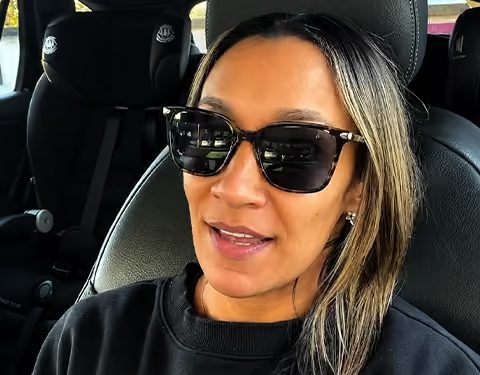







What members noticed.
From our member stories and review sites. Shortened where marked.
Most CGMs are built for diabetes care. Vively is built for you.
If you don't have diabetes, their apps show you a number and leave you guessing what it means. Vively explains each rise, helps you try small changes, and gives you a dietitian to talk it through.
Compared with diabetes-focused CGM apps sold in Australia. Compare CGM options
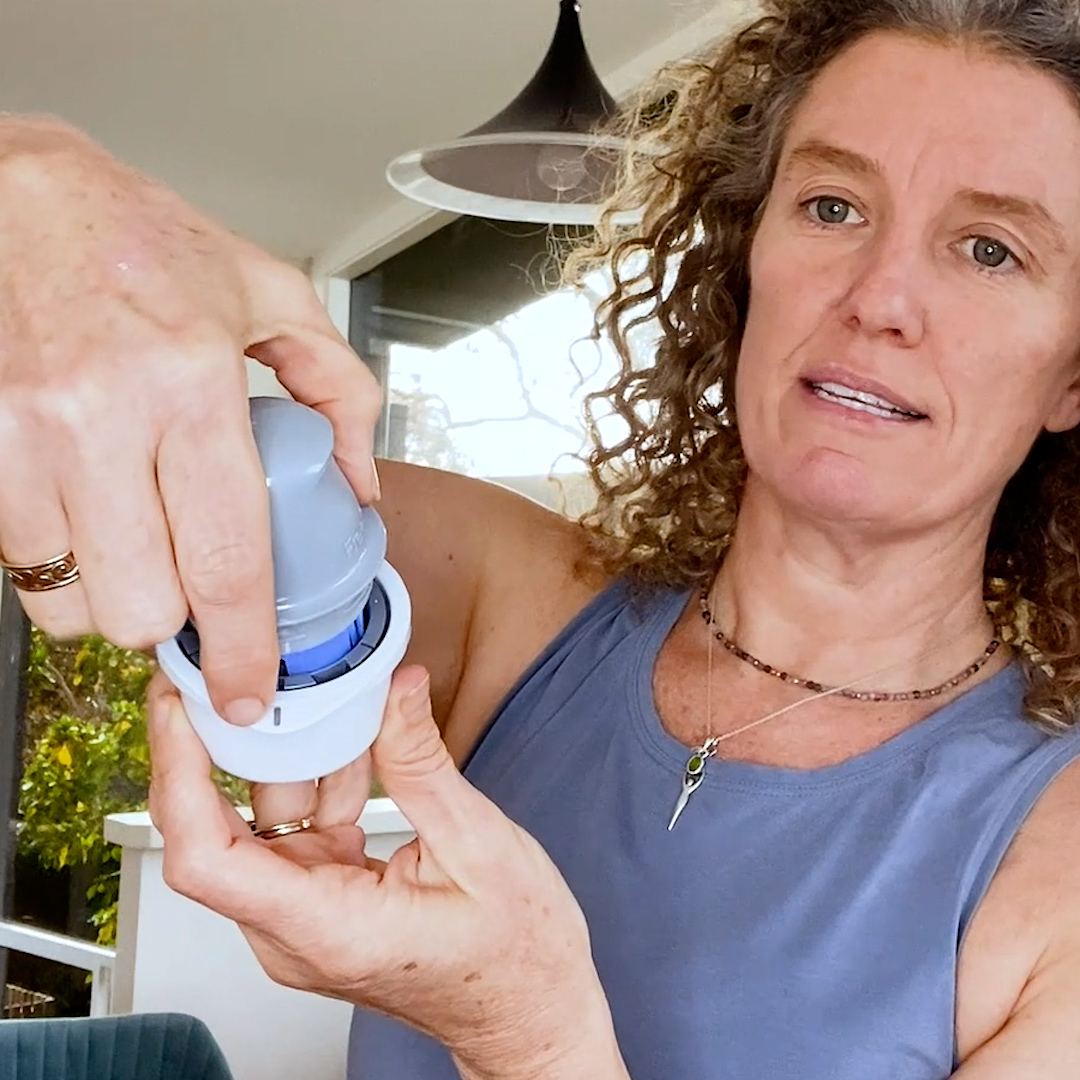
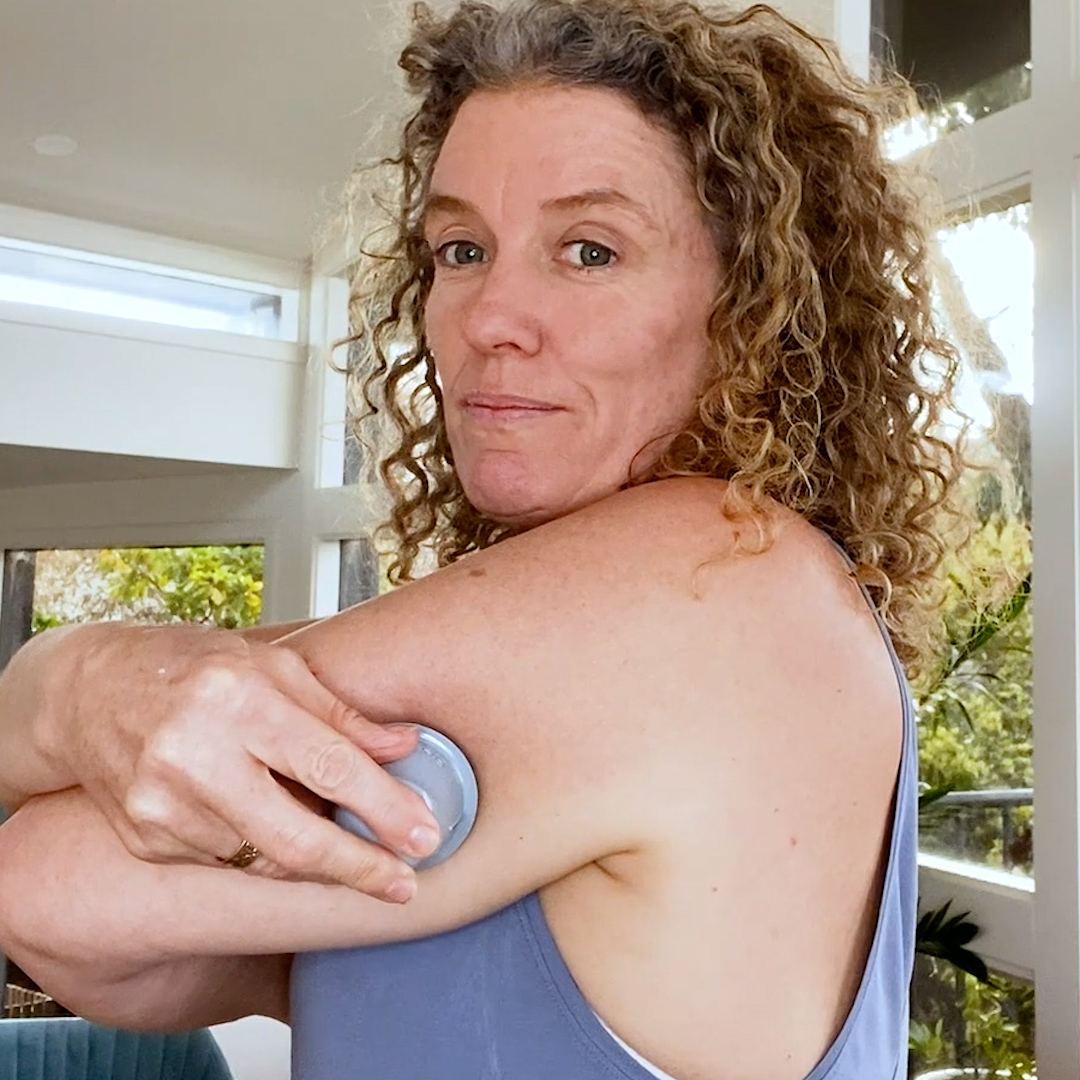
Never worn one? It's easier than you'd think.
If you've never worn a CGM, that's fine. The app takes you through every step, so you can get on with your week.
Step-by-step setup
The app shows you where to place the sensor, how to apply it and how to pair it with your phone.
A quick press
Applying it takes a few seconds with the applicator. A thin, flexible filament sits just under the skin, and most people say they barely notice it.
Under your sleeve
It sits on the back of your upper arm, where a T-shirt sleeve covers it.
Shower, swim and train
It's water resistant, so it stays on through a normal week. Water resistant isn't waterproof, so skip long, deep swims.
Help if you need it
Our support team can talk you through setup, or anything in your readings that looks off.
Two breakfasts, two very different responses.
Meals that seem much the same can land very differently in your body. Over 14 days you find out which ones do that for you.
Guess which breakfast rose less.
One member, two ordinary breakfasts on different mornings.
Tap the breakfast you think rose less


You'll see how each one landed once you pick.
A rise after eating is normal. The programme helps you understand yours.
Try againThen you run your own experiments.
In the programme you try small swaps on your own meals, then see in your readings which one your body handles better.
- Pizza, then the couchorPizza, then a 10-minute walk
- A glass of juiceorA whole orange
- An instant oats sachetorRolled oats
- Rice firstorVeg first, then rice
Based on one member's real readings. Yours will be different, which is why you test. See more member data
Your 14 days, one step at a time.
You don't need to know anything about glucose to start. Each day builds on what your sensor saw the day before.
- Day 0
Your sensor arrives
It's posted straight to you, ready to apply. Open the app and it walks you through applying it to the back of your upper arm and pairing it with your phone.
- Every day
An insight a day, from your body's responses
Each day you see something new about your body, from what happens after you eat to why some days run higher. Snap a photo of your meals as you go, so they're easy to compare later.
A day without readings doesn't count, so there's never anything to catch up on.
- Days 5 and 11
Pick two experiments
Each time we offer three that suit your meals, from a library of twelve reviewed by our dietitians, like vegetables first or a 10-minute walk after dinner. Each one compares a meal a few times each way, then shows how much smaller your rise was.
- Day 14
Your glucose report
What your experiments showed, your time in target, what you learned, and what to keep doing.
- After day 14
Your dietitian review
With CGM + dietitian review, you book a 20-minute video call from the app to go through your report together.
A rise after eating is normal. The aim is to understand yours, not to avoid food.
Every meal you log shows how your glucose responded, and how long it took to settle.
Then 20 minutes with a dietitian.
Your report shows what happened. An accredited practising dietitian helps you decide what to do with it.
- Goes through your report and experiments with you
- Picks the one or two changes worth keeping
- Suggests what to try next, around the meals you actually eat
- Booked from the app once your 14 days are done, on video from home

A range made for people without diabetes.
Most CGMs are built for diabetes care and judge your readings against 3.9 to 10.0 mmol/L. That's wide for someone without diabetes, so a lot of patterns worth understanding still show as "in range". Vively uses 4 to 6 mmol/L by default.
The 3.9 to 10.0 target is the international consensus for people with diabetes (Battelino et al., Diabetes Care, 2019).
Every meal, put in context.
Snap a photo of what you eat and the app lines it up with your glucose, so you can see which meals sit well with you and what a small change does.
Snap it, scored in seconds
The app scores each meal out of 10 and tells you why.
Small changes, measured
Your experiment results show how much smaller your rise was with the change.
Is it right for you?
It's a good fit if
- Your energy dips after meals and you want to know why
- You'd like to see how your day-to-day activities are impacting your blood sugar levels
- You've had a Baseline Health Check and want to see your metabolic markers day to day
- You want to understand why your weight has stalled
- You want to make decisions based on how your body is actually responding
It isn't for you if
- You have type 1 diabetes
- You're pregnant
- You have a history of eating disorders
- You take medicine that lowers glucose, unless your doctor agrees first
On weight medication? Check with your prescriber first, or start with the Baseline.
A CGM measures your glucose. It doesn't diagnose or treat any condition, and it doesn't replace a blood test. If your readings don't match how you feel, follow the device instructions and talk to your doctor. Don't change prescribed treatment based on the app.
Two ways to start. Pick your support.
Both include the sensor and the 14-day programme. Add the review if you'd like a dietitian to go through your report with you.
Black Friday · Save $50 Ends Tue 1 Dec, 11:59 pm AEDT
CGM + dietitian review
A dietitian goes through your report with you and suggests what to try next.
- 1 sensor, 14 days of data
- The 14-day programme in the app: daily insights from your body's responses, two experiments and your report
- A 20-minute consult with a dietitian to review your results and give you personalised recommendations
- Health Intelligence to help read your data
- Free shipping
CGM only
The sensor and the programme, on your own.
- 1 sensor, 14 days of data
- The 14-day programme in the app
- Health Intelligence to help read your data
- Free shipping
Want more than 14 days? After you order, you can add a second sensor for $129 to make it a month.

Built by a GP. Guided by dietitians.
Dr Michelle Woolhouse is an integrative GP with 25+ years in medicine, and she wears the same sensor our members do. The programme's insights are written under her name, and the experiments are reviewed by our dietitians.
- MBBS, Monash University
- Fellow, RACGP
- ACNEM, FASLM
- Author, The Wonder Within
Used by practitioners at 500+ clinics, including






Your sensor shows the day. Your blood test shows the months.
The Baseline Health Check is a blood test covering 70+ markers, including HbA1c, triglycerides and cholesterol, so you can see the longer picture behind your glucose.
Questions people ask us.
Which sensor do you use?
The Sibionics GS3. It's factory calibrated, reads your glucose every 5 minutes and is worn for up to 14 days on the back of your upper arm.
What arrives in the post?
Your sensor, ready to apply, sent straight to you. Everything else, from setup to your daily insights, is in the Vively app.
Does it hurt?
Applying it takes a few seconds with the applicator. A thin, flexible filament sits just under the skin, and most people say they barely notice it.
When will it arrive?
Your sensor usually ships within 1 to 2 business days of adding your address, then arrives within 3 business days. Shipping is free, within Australia only. We don't offer express shipping.
Will people notice it?
It sits on the back of your upper arm, so a T-shirt sleeve covers it, and you can wear it to work, the gym or out to dinner.
Can I shower, swim and exercise with it?
Yes. It's water resistant, not waterproof, so it's fine in the shower, in the pool and at the gym.
Do I need diabetes or a prescription?
No. The programme is built for people without diabetes, and a CGM bought through Vively doesn't need a doctor to prescribe or sign anything. If you do have diabetes, speak with your doctor first.
What happens in the 20-minute review?
Once your 14 days are done, you book a video call with a dietitian from the app. They go through your report and experiments with you, and suggest what to try next.
Is it a subscription?
No. You pay once, and nothing renews. If you'd like longer, you can add more sensors straight after you order, or later in the app.
What if something goes wrong with a sensor?
Contact our support team from the app. They'll help you work out what happened and what to do next.
Is it available outside Australia?
Not yet. You need an Australian Apple App Store or Google Play account to use the app.
What happens to my data?
Your data is stored on Australian servers and encrypted in transit and at rest, and it's never sold or shared with advertisers, employers or insurers. You can share it with your practitioner from the app when you choose.
References
- Battelino T, et al. Clinical targets for continuous glucose monitoring data interpretation: recommendations from the international consensus on time in range. Diabetes Care. 2019;42(8):1593-1603.
- Jarvis PRE, et al. Continuous glucose monitoring in a healthy population: understanding the post-prandial glycemic response in individuals without diabetes mellitus. Metabolism. 2023;146:155640. PubMed
- Ceriello A, et al. Guideline for management of postmeal glucose. Nutr Metab Cardiovasc Dis. 2008;18(4):S17-33. PubMed
- Levitan EB, et al. Is nondiabetic hyperglycemia a risk factor for cardiovascular disease? A meta-analysis of prospective studies. Arch Intern Med. 2004;164(19):2147-55. PubMed
Fourteen days. A lot more about you.
From $199. Black Friday: from $149 until 1 Dec.