STEP-TEMBER SALE NOW ON | $99 per CGM | ENDS 7TH SEPTEMBER | LOWEST PRICE EVER











Navigating the world of continuous glucose monitoring (CGM) can feel like a lot at first, especially when you’re comparing a well-known diabetes CGM like Dexcom G6 with a program-led option like Vively.
The good news is that the “right” choice is usually clear once you match the system to your goal: clinical glucose management vs lifestyle-driven metabolic insight.
CGMs track glucose trends throughout the day and night, so you can see how meals, movement, sleep, and stress influence your glucose patterns. That continuous data can be powerful, but what you do with it depends on why you’re wearing a sensor in the first place.
Dexcom G6 is widely used by people living with diabetes, particularly those who need consistent real-time glucose visibility and alerts as part of a clinical management plan. It’s designed around glucose monitoring for day-to-day treatment decisions, rather than broader lifestyle coaching.
Vively is designed for non-diabetics who want to understand their metabolic patterns and turn those insights into practical habits. The program is built around connecting glucose trends with everyday inputs (food, sleep, stress, movement), so the data becomes usable, not just interesting.
Vively is moving to the Sibionics GS3 CGM sensor. That matters because sensor design changes how frequently data arrives, how reliable the connection feels in daily life, and how comfortable the experience is over time. The GS3 is designed for Bluetooth transmission (no scanning) and frequent updates, which supports a smoother “check, learn, adjust” loop.
.avif)
The best choice comes back to your goal.
If you’re managing diabetes with a clinical plan and want a standalone CGM system with real-time alerts and automatic readings, Dexcom G6 is built for that use case.
If your focus is weight, energy, cravings, metabolic insight, or lifestyle optimisation, and you want real-time monitoring paired with guidance that helps you act on patterns—Vively is designed for that program-led journey.
Important safety note: CGMs measure glucose in interstitial fluid (not directly from blood), so readings can lag behind blood glucose changes. If you have symptoms that don’t match your CGM reading, use a finger-prick blood glucose meter and follow your clinician’s advice.
Ready to explore real-time glucose insights built for everyday life? Discover the Vively CGM Program and see how your habits shape your glucose.
START YOUR BASELINE
Most of what we write about here shows up in your blood work. A Vively Baseline Health Check covers 60+ biomarkers, reviewed 1:1 with a registered nurse. $99 to start your membership.
Get my baseline · $99Subscribe to our newsletter & join a community of 30,000+ Aussies
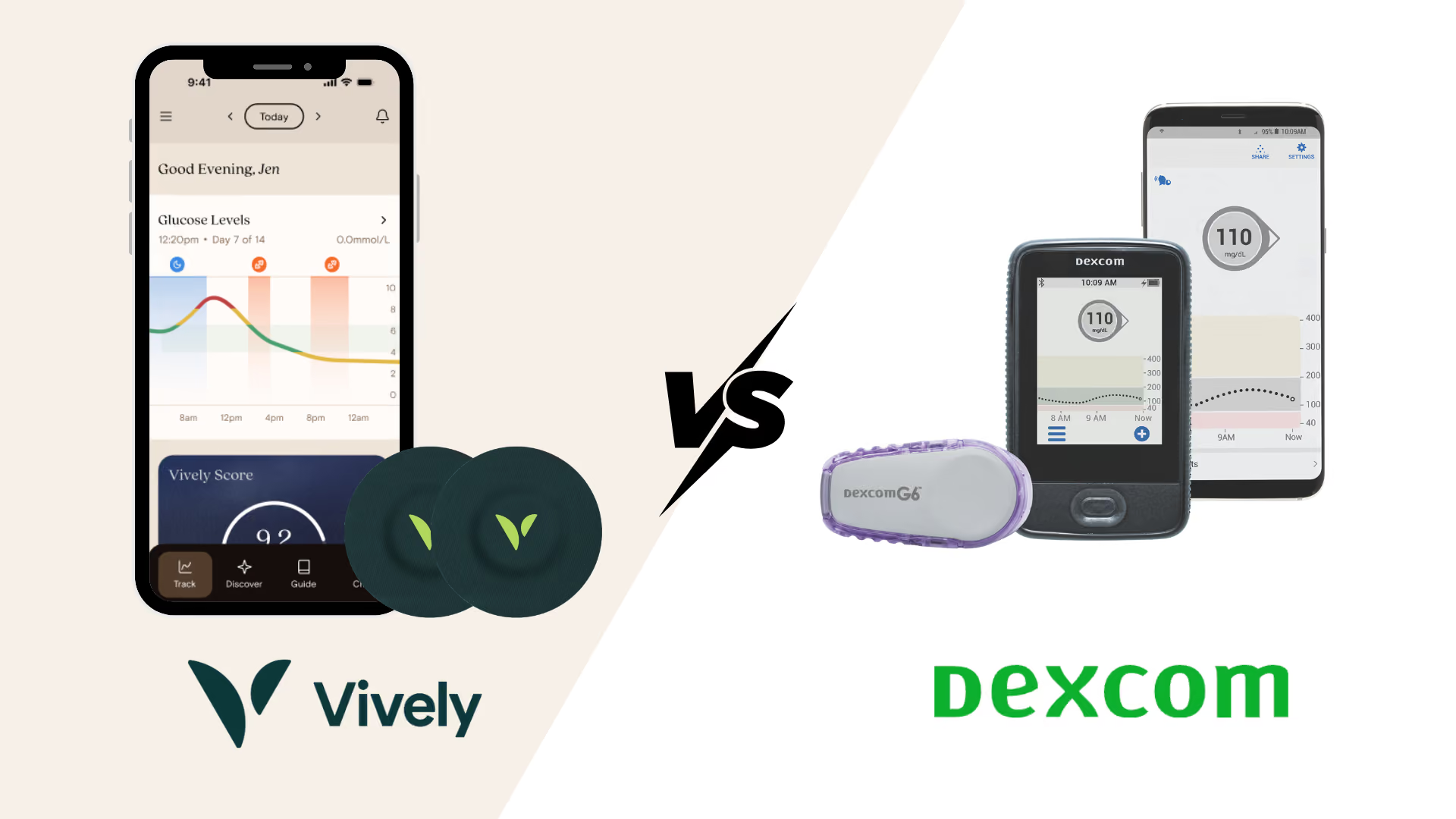
Navigating the world of continuous glucose monitoring (CGM) can feel like a lot at first, especially when you’re comparing a well-known diabetes CGM like Dexcom G6 with a program-led option like Vively.
The good news is that the “right” choice is usually clear once you match the system to your goal: clinical glucose management vs lifestyle-driven metabolic insight.
CGMs track glucose trends throughout the day and night, so you can see how meals, movement, sleep, and stress influence your glucose patterns. That continuous data can be powerful, but what you do with it depends on why you’re wearing a sensor in the first place.
Dexcom G6 is widely used by people living with diabetes, particularly those who need consistent real-time glucose visibility and alerts as part of a clinical management plan. It’s designed around glucose monitoring for day-to-day treatment decisions, rather than broader lifestyle coaching.
Vively is designed for non-diabetics who want to understand their metabolic patterns and turn those insights into practical habits. The program is built around connecting glucose trends with everyday inputs (food, sleep, stress, movement), so the data becomes usable, not just interesting.
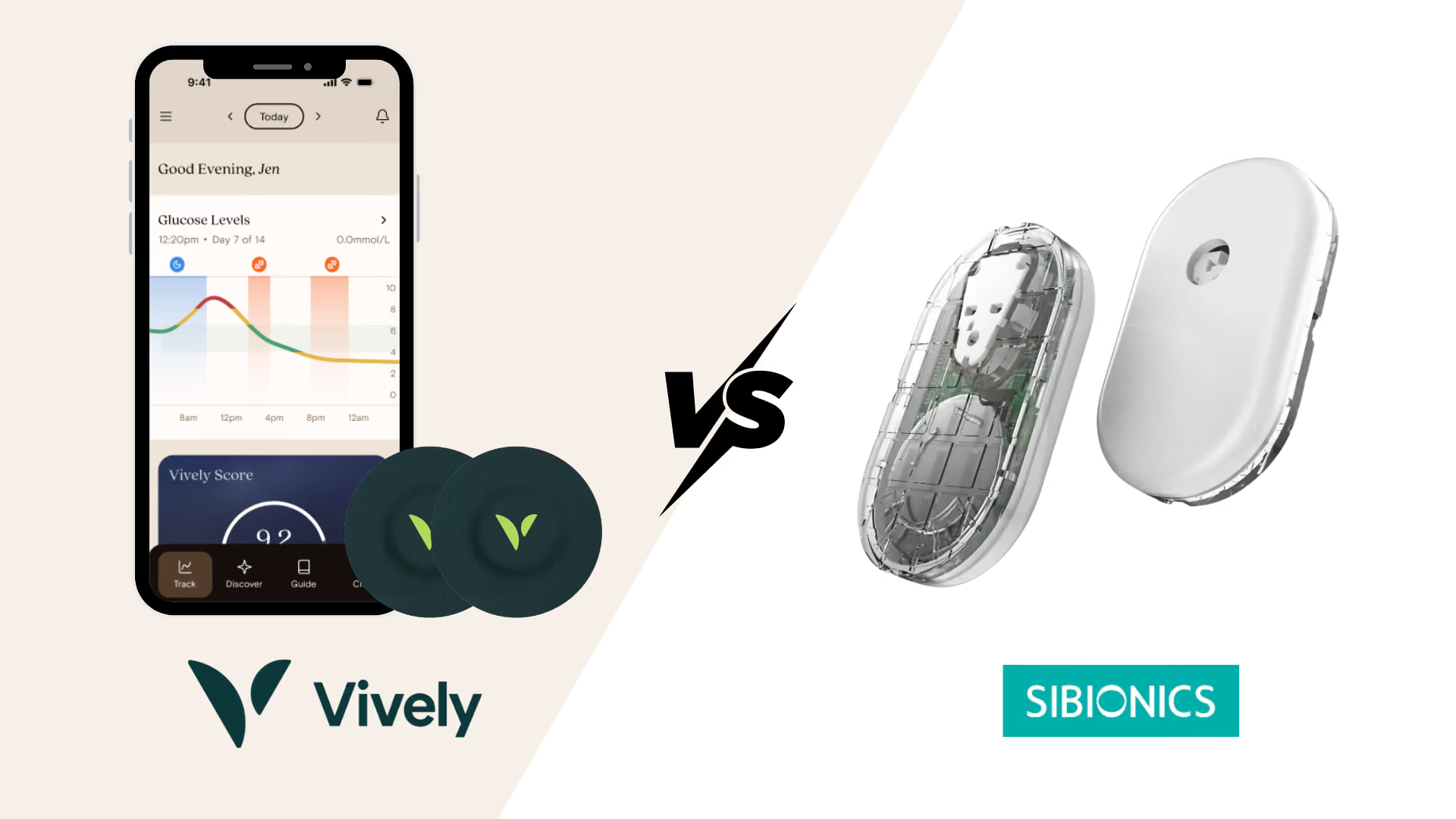
Vively is moving to the Sibionics GS3 CGM sensor. That matters because sensor design changes how frequently data arrives, how reliable the connection feels in daily life, and how comfortable the experience is over time. The GS3 is designed for Bluetooth transmission (no scanning) and frequent updates, which supports a smoother “check, learn, adjust” loop.
The best choice comes back to your goal.
If you’re managing diabetes with a clinical plan and want a standalone CGM system with real-time alerts and automatic readings, Dexcom G6 is built for that use case.
If your focus is weight, energy, cravings, metabolic insight, or lifestyle optimisation, and you want real-time monitoring paired with guidance that helps you act on patterns—Vively is designed for that program-led journey.
Important safety note: CGMs measure glucose in interstitial fluid (not directly from blood), so readings can lag behind blood glucose changes. If you have symptoms that don’t match your CGM reading, use a finger-prick blood glucose meter and follow your clinician’s advice.
Ready to explore real-time glucose insights built for everyday life? Discover the Vively CGM Program and see how your habits shape your glucose.
Get irrefutable data about your diet and lifestyle by using your own glucose data with Vively’s CGM Program. We’re currently offering a 20% discount for our annual plan. Sign up here.

Co-Founder & CEO
Vively is reimagining how healthcare is delivered with the world's first online holistic healthcare clinic.



Discover how controlling your glucose levels can aid in ageing gracefully. Learn about the latest research that links glucose levels and ageing, and how Vively, a metabolic health app, can help you manage your glucose and age well.


Delve into the concept of mindful eating and discover its benefits, including improved glucose control and healthier food choices. Learn about practical strategies to implement mindful eating in your daily life.


Understand the nuances of polycystic ovary syndrome (PCOS) testing in Australia, the importance of early diagnosis, and the tests used to effectively diagnose the condition. Also, find out when these diagnostic procedures should be considered.
.avif)

Vively is a general wellness platform and does not provide medical advice, diagnosis, or treatment. Any information, insights or guidance offered through our app, website, programs, or coaches is for educational and informational purposes only and should not be considered a substitute for professional medical advice or care. Always consult a qualified healthcare provider before making any health-related decisions.
We acknowledge the Traditional Custodians of the lands where we live and work, the Gadigal of the Eora Nation. We pay our respects to their Elders past and present.
 Share
Share Tweet
Tweet Share
Share Share
Share Tweet
Tweet Share
Share

.svg)