STEP-TEMBER SALE NOW ON | $99 per CGM | ENDS 7TH SEPTEMBER | LOWEST PRICE EVER











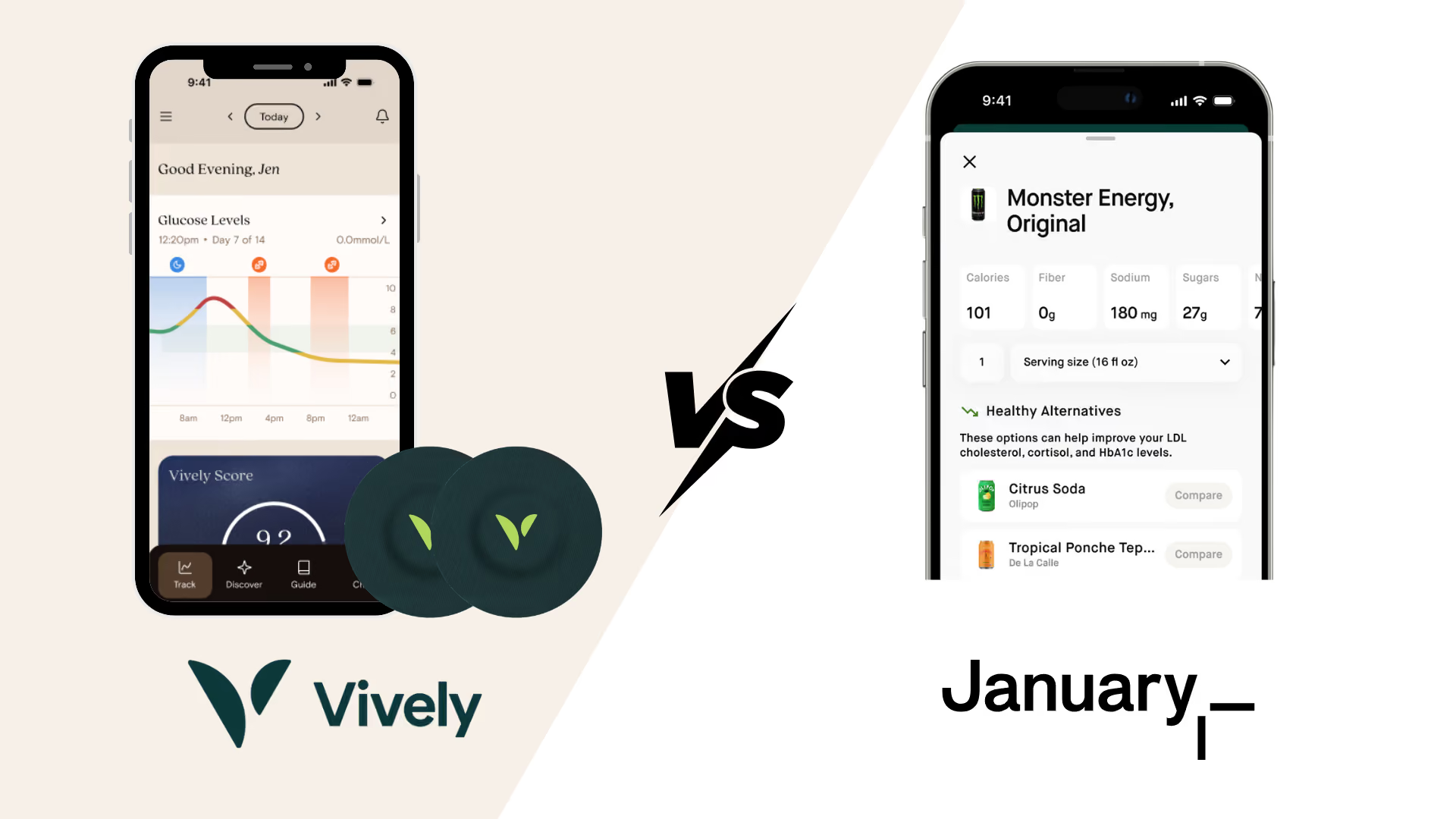
The comparison between Vively and January Ai, the differences, pros and cons.
Vively and January AI are both subscription-style platforms focused on metabolic health, but they take different routes to help you learn from glucose data.
January AI is best known for its glucose prediction technology. The app can estimate glucose impact from meals and lifestyle inputs, and it can be used without wearing a CGM, depending on how you choose to engage with the platform.
Vively is built around real-time CGM data, using continuous monitoring to help you see what your glucose is doing throughout the day and connect those patterns back to your habits. The experience is designed to help you learn what influences your glucose most, then translate that into realistic changes you can actually maintain.
Both tools aim to support informed decision-making around metabolic health. The biggest difference is how they generate insight: January AI leans on prediction and modelling, while Vively prioritises live, in-the-moment feedback from a CGM.
January AI is a US-based company. It has expanded its app access, but CGM supply and program availability can be limited by region and the company’s approved service areas.
January AI’s core promise is prediction. Instead of relying on continuous wear for everyone, it uses an AI-driven model to forecast how foods and habits may affect glucose. TIME has described the product as predicting how much a food may spike blood sugar and suggesting behaviour changes, without requiring a CGM for ongoing use. January AI also positions CGM as optional after an initial training period, depending on the pathway a user chooses.
January AI’s help centre states the first month costs $288 and includes an activation kit plus access to the app. Ongoing membership pricing and availability can vary, and the safest way to confirm current options is through January AI’s own checkout flow for your location.
Because January AI is heavily food-response focused and uses daily prompts and behaviour nudges, it may not suit everyone. Anyone with a history of disordered eating or food anxiety should approach these tools thoughtfully and consider professional support.
Vively is designed for people who want clear, practical insight into metabolic health using real-time glucose data. The program pairs a CGM sensor with the Vively app, where glucose trends sit alongside the habits that shape them most, like meals, movement, sleep, and stress.
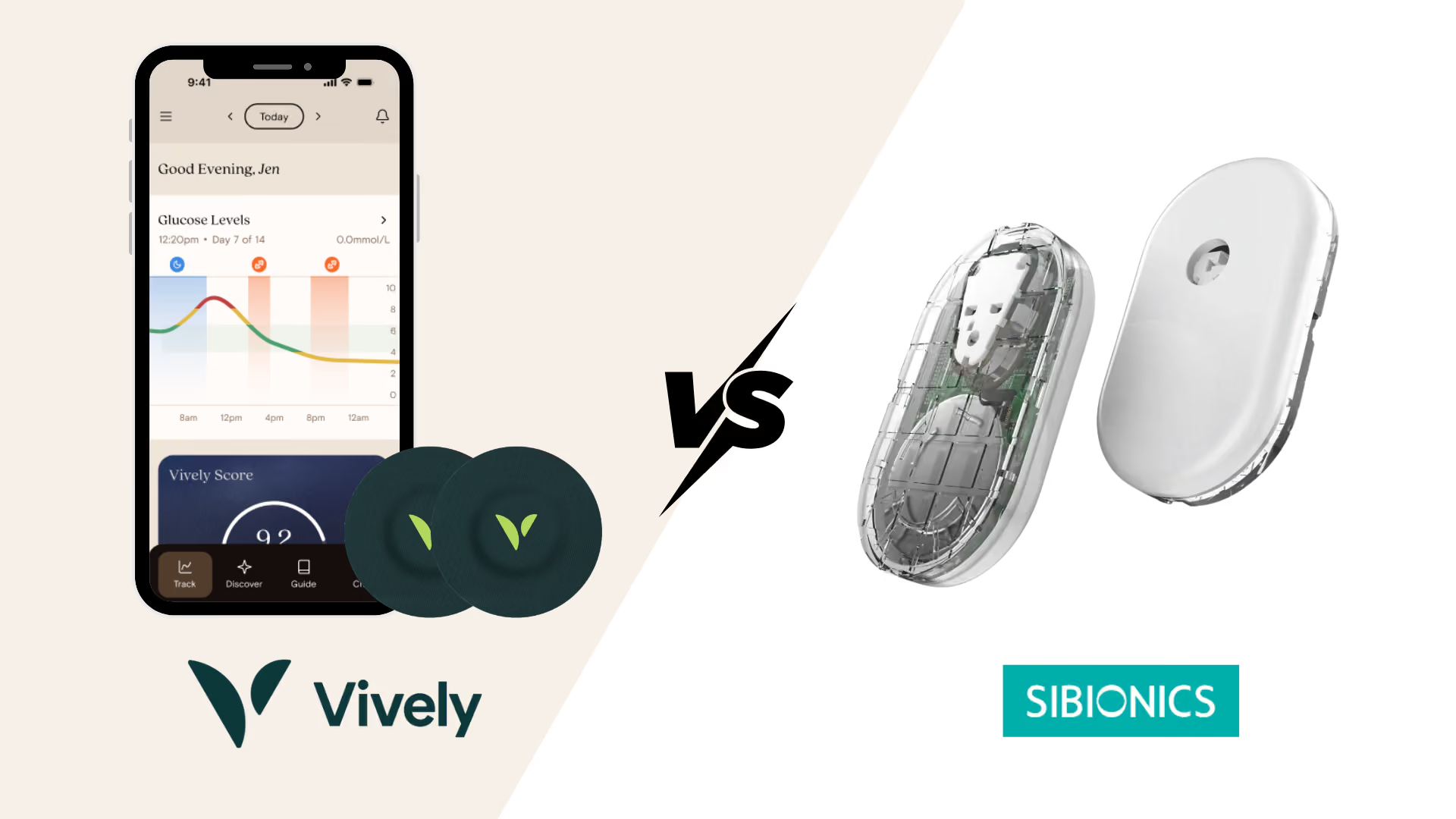
Vively now uses the SIBIONICS GS3 CGM sensor. This matters because the sensor experience shapes how easy it feels to stay consistent. GS3 is designed to deliver frequent Bluetooth updates, support a stable in-app connection, and offer a smaller, lower-profile sensor that’s easier to wear day to day.
What you do inside the program is just as important as what you track. Vively is structured to help you understand your patterns first, then apply them through app-based guidance and habit support, so you are not left guessing what to do with the data.
January AI’s published pricing includes a first month at $288, with an annual subscription option listed at $380.
Vively bundles the CGM sensor with interpretation and context as part of a structured program.
The decision between January AI and Vively depends on your personal needs and health objectives.
January AI and Vively offer distinct approaches to optimising metabolic health, catering to a range of user needs and preferences. January AI excels in predictive modelling for glucose monitoring, providing immediate feedback on dietary choices and personalised meal plans. However, its lack of human support and potential concerns regarding the development of eating disorders may deter some users.
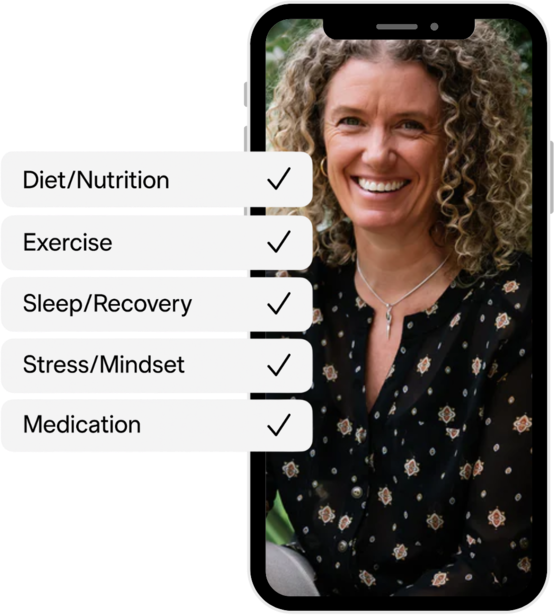
On the other hand, Vively emphasises real-time monitoring through continuous glucose monitors (CGMs) and offers a comprehensive approach to health management, including diet, exercise, sleep, and stress, with the added benefit of optional access to 1:1 dietitian support. Ultimately, individuals should carefully consider their health objectives and preferences when choosing between these two apps.
Want to see how real-time glucose insights can support your lifestyle goals? Explore the Vively CGM Program and start building habits with clearer, more connected data.
START YOUR BASELINE
Most of what we write about here shows up in your blood work. A Vively Baseline Health Check covers 60+ biomarkers, reviewed 1:1 with a registered nurse. $99 to start your membership.
Get my baseline · $99Subscribe to our newsletter & join a community of 30,000+ Aussies
The comparison between Vively and January Ai, the differences, pros and cons.
Vively and January AI are both subscription-style platforms focused on metabolic health, but they take different routes to help you learn from glucose data.
January AI is best known for its glucose prediction technology. The app can estimate glucose impact from meals and lifestyle inputs, and it can be used without wearing a CGM, depending on how you choose to engage with the platform.
Vively is built around real-time CGM data, using continuous monitoring to help you see what your glucose is doing throughout the day and connect those patterns back to your habits. The experience is designed to help you learn what influences your glucose most, then translate that into realistic changes you can actually maintain.
Both tools aim to support informed decision-making around metabolic health. The biggest difference is how they generate insight: January AI leans on prediction and modelling, while Vively prioritises live, in-the-moment feedback from a CGM.
January AI is a US-based company. It has expanded its app access, but CGM supply and program availability can be limited by region and the company’s approved service areas.
January AI’s core promise is prediction. Instead of relying on continuous wear for everyone, it uses an AI-driven model to forecast how foods and habits may affect glucose. TIME has described the product as predicting how much a food may spike blood sugar and suggesting behaviour changes, without requiring a CGM for ongoing use. January AI also positions CGM as optional after an initial training period, depending on the pathway a user chooses.
January AI’s help centre states the first month costs $288 and includes an activation kit plus access to the app. Ongoing membership pricing and availability can vary, and the safest way to confirm current options is through January AI’s own checkout flow for your location.
Because January AI is heavily food-response focused and uses daily prompts and behaviour nudges, it may not suit everyone. Anyone with a history of disordered eating or food anxiety should approach these tools thoughtfully and consider professional support.
Vively is designed for people who want clear, practical insight into metabolic health using real-time glucose data. The program pairs a CGM sensor with the Vively app, where glucose trends sit alongside the habits that shape them most, like meals, movement, sleep, and stress.
Vively now uses the SIBIONICS GS3 CGM sensor. This matters because the sensor experience shapes how easy it feels to stay consistent. GS3 is designed to deliver frequent Bluetooth updates, support a stable in-app connection, and offer a smaller, lower-profile sensor that’s easier to wear day to day.
What you do inside the program is just as important as what you track. Vively is structured to help you understand your patterns first, then apply them through app-based guidance and habit support, so you are not left guessing what to do with the data.
January AI’s published pricing includes a first month at $288, with an annual subscription option listed at $380.
Vively bundles the CGM sensor with interpretation and context as part of a structured program.
The decision between January AI and Vively depends on your personal needs and health objectives.
January AI and Vively offer distinct approaches to optimising metabolic health, catering to a range of user needs and preferences. January AI excels in predictive modelling for glucose monitoring, providing immediate feedback on dietary choices and personalised meal plans. However, its lack of human support and potential concerns regarding the development of eating disorders may deter some users.
On the other hand, Vively emphasises real-time monitoring through continuous glucose monitors (CGMs) and offers a comprehensive approach to health management, including diet, exercise, sleep, and stress, with the added benefit of optional access to 1:1 dietitian support. Ultimately, individuals should carefully consider their health objectives and preferences when choosing between these two apps.
Want to see how real-time glucose insights can support your lifestyle goals? Explore the Vively CGM Program and start building habits with clearer, more connected data.
Get irrefutable data about your diet and lifestyle by using your own glucose data with Vively’s CGM Program. We’re currently offering a 20% discount for our annual plan. Sign up here.

Co-Founder & CEO
Vively is reimagining how healthcare is delivered with the world's first online holistic healthcare clinic.



Discover how controlling your glucose levels can aid in ageing gracefully. Learn about the latest research that links glucose levels and ageing, and how Vively, a metabolic health app, can help you manage your glucose and age well.


Delve into the concept of mindful eating and discover its benefits, including improved glucose control and healthier food choices. Learn about practical strategies to implement mindful eating in your daily life.


Understand the nuances of polycystic ovary syndrome (PCOS) testing in Australia, the importance of early diagnosis, and the tests used to effectively diagnose the condition. Also, find out when these diagnostic procedures should be considered.
.avif)

Vively is a general wellness platform and does not provide medical advice, diagnosis, or treatment. Any information, insights or guidance offered through our app, website, programs, or coaches is for educational and informational purposes only and should not be considered a substitute for professional medical advice or care. Always consult a qualified healthcare provider before making any health-related decisions.
We acknowledge the Traditional Custodians of the lands where we live and work, the Gadigal of the Eora Nation. We pay our respects to their Elders past and present.
 Share
Share Tweet
Tweet Share
Share Share
Share Tweet
Tweet Share
Share

.svg)