Meat pie vs pizza
Swap one for the other at the same meal on different days. In our members, the typical rise was 1.8 mmol/L for meat pie and 1.6 for pizza.
We measured what happened to the glucose of Vively members who ate a meat pie on its own while wearing a glucose monitor.
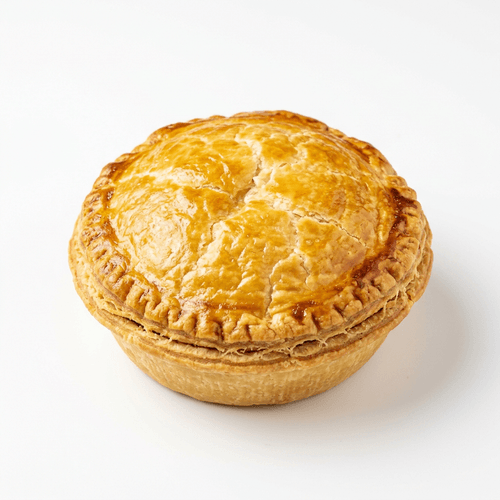
Half of members rose between 0.9 and 2.8 mmol/L.
Short answer: Meat pie raised blood sugar by a typical 1.8 mmol/L in 313 Vively members who wore a continuous glucose monitor (CGM) and logged it on its own. The middle half of members rose between 0.9 and 2.8 mmol/L. A savoury pie still rose about as much as white bread or white rice, because of the pastry.
When you eat carbohydrate, your body breaks it down into glucose and your blood glucose rises. That is normal, because glucose is your body’s main fuel. Insulin then moves it out of your blood and into your cells, and your level comes back down.
A big rise is sometimes followed by a dip below where you started. In a study of 1,070 people, those with bigger dips after breakfast felt hungrier sooner and ate more over the rest of the day.
Bigger, more frequent rises mean your body releases more insulin. If your cells stop responding well to it (insulin resistance), your body has to make even more. Insulin resistance usually builds for 10 to 15 years before a standard glucose blood test picks it up.
Studies of people without diabetes have linked higher glucose levels, including two hours after a sugary drink, with a higher risk of heart disease. Higher rises after meals are also often one of the first changes on the way to type 2 diabetes.
Glucose is meant to go up after you eat. What matters is your pattern over weeks: how high you go, how often, and how quickly you come back down. That pattern is different for everyone, and the only way to see yours is to measure it.
If you have diabetes or take medicine that lowers glucose, talk to your doctor before changing how you eat.
Two groups of members in the Sydney and Melbourne time zones, each eating one food on its own: 160 for meat pie and 733 for pizza. These are their average curves. Drag across a chart to read it.

lower average peak for pizza
less glucose under the curve for pizza
typical rise in mmol/L, meat pie vs pizza
Average curves look gentler than any one person’s, because people peak at different times. These are different groups of people, so use it as a rough guide.
Responses varied a lot. After a meat pie on its own, 27% of members rose less than 1 mmol/L and 29% rose 2.5 or more. A glucose monitor shows where you sit.
Test it on yourselfWe ranked all 313 members from smallest to biggest typical rise after a meat pie, then picked ten spread evenly along the list. They ate the same food and got very different results.
had a typical rise under 1.0 mmol/L
rose 2.5 mmol/L or more
A meat pie feels like a protein food, but most of its carbohydrate comes from the pastry, which is refined white flour, and the gravy is usually thickened with flour or starch. Members' curves peaked around 45 minutes after eating and were close to baseline by about two and a quarter hours.
Adding sauce adds sugar, and a pie with chips is a much bigger meal than a pie on its own.
Portion size, what you ate earlier, sleep, stress, movement and your menstrual cycle all change the curve too. So Vively helps you test your own meals rather than handing you a list of foods to avoid.
Five rounds. Guess how our members’ glucose responded to each food.
Typical rise in mmol/L when each food was eaten on its own. Each food has data from at least 30 members. Tap a food to see its page.
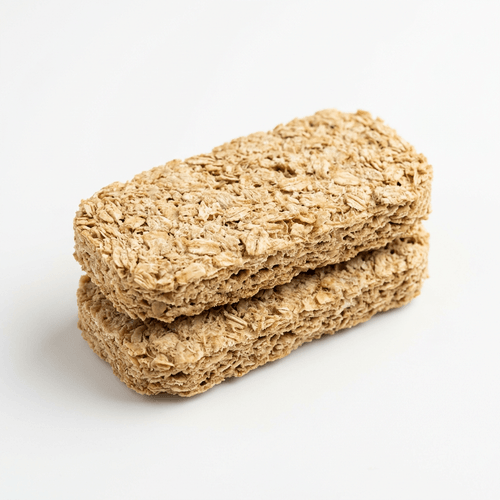 Weet-Bix2.5
 Hot cross bun2.2
 Sushi2.2
 Porridge2.1
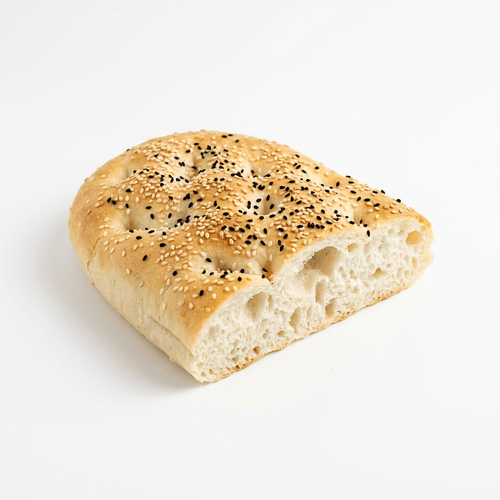 Turkish bread2.1
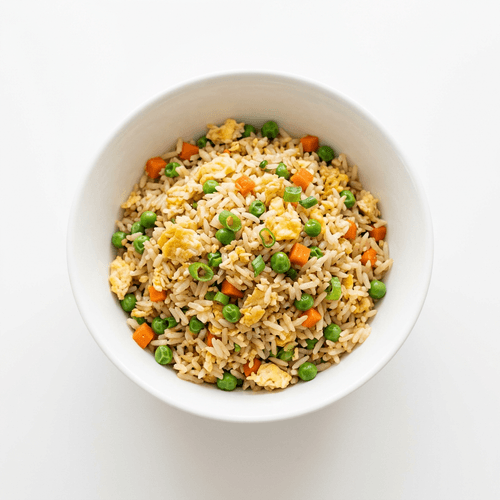 Fried rice2.0
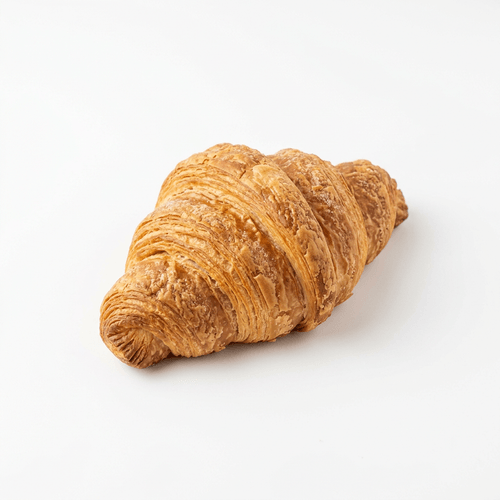 Croissant1.9
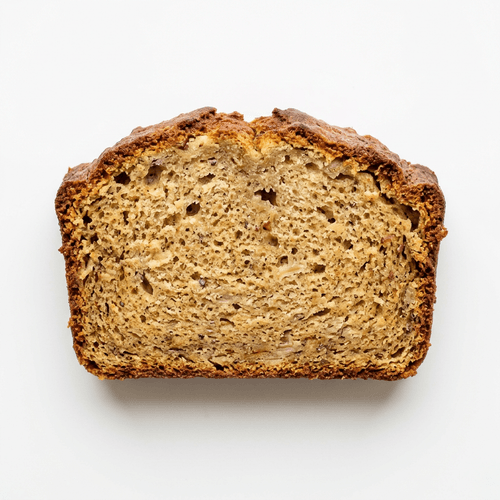 Banana bread1.8
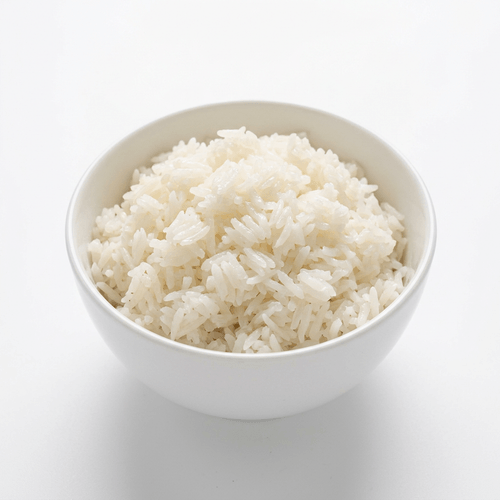 Jasmine rice1.8Meat pie1.8
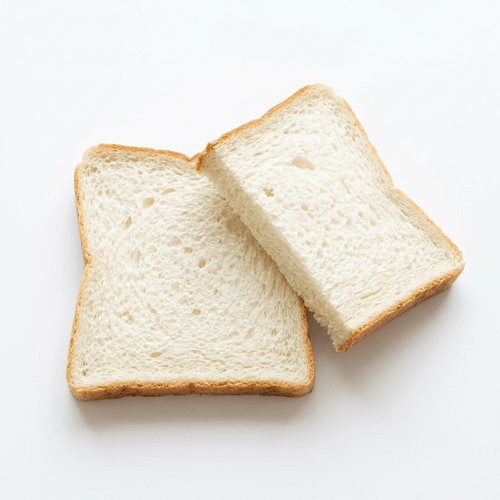 White bread1.8
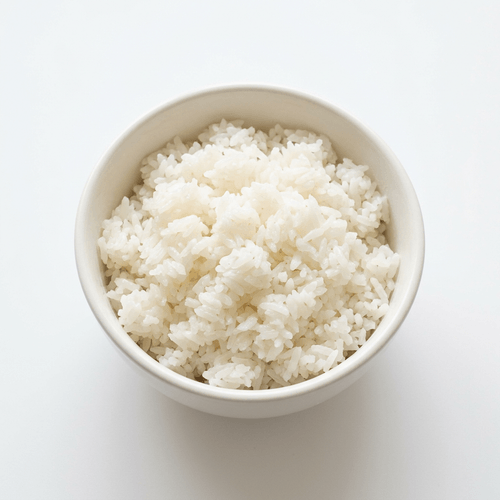 White rice1.8
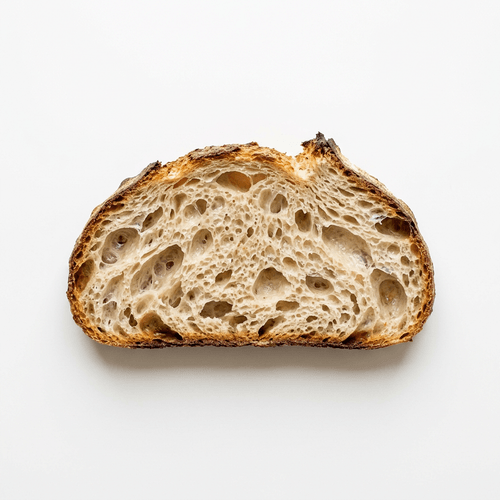 Sourdough1.7
 Sweet potato1.7
 Banana1.6
 Brown rice1.6Pizza1.6
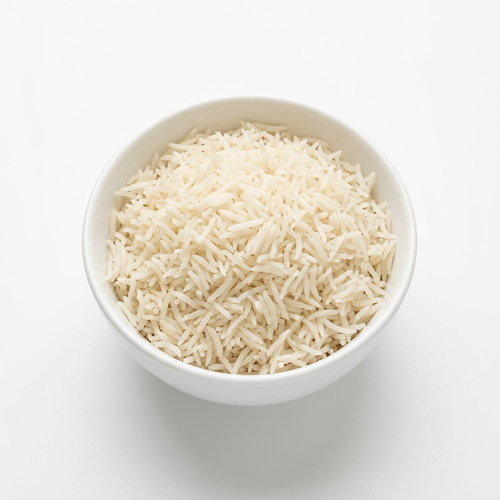 Basmati rice1.5
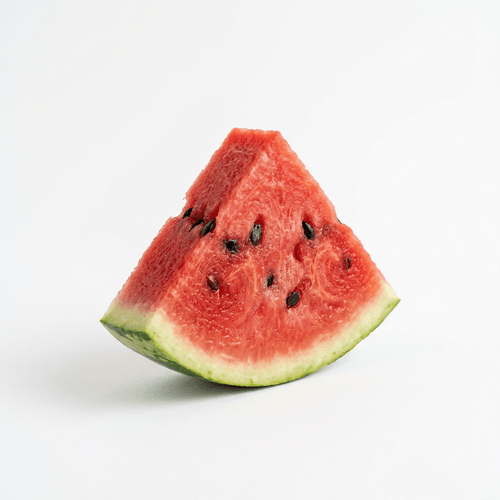 Watermelon1.4
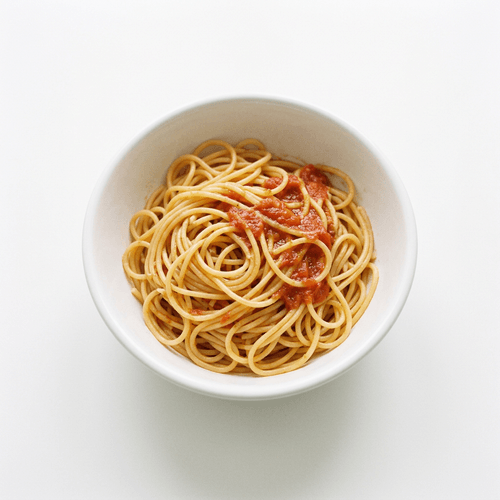 Pasta1.3
See all 38 foods on our glucose spikes page.
Averages can’t tell you how your own body responds. These are tests members run with their glucose monitors.
Swap one for the other at the same meal on different days. In our members, the typical rise was 1.8 mmol/L for meat pie and 1.6 for pizza.
If a pie is lunch, have it with a salad or vegetables instead of chips and compare.
After the same meal, sit one day and take a 10-minute walk the next. Compare how high you go.
Wear a CGM with Vively to see how high your glucose goes after each meal you log, and how quickly it comes back down. Then try a swap and compare the two curves.
Get your CGM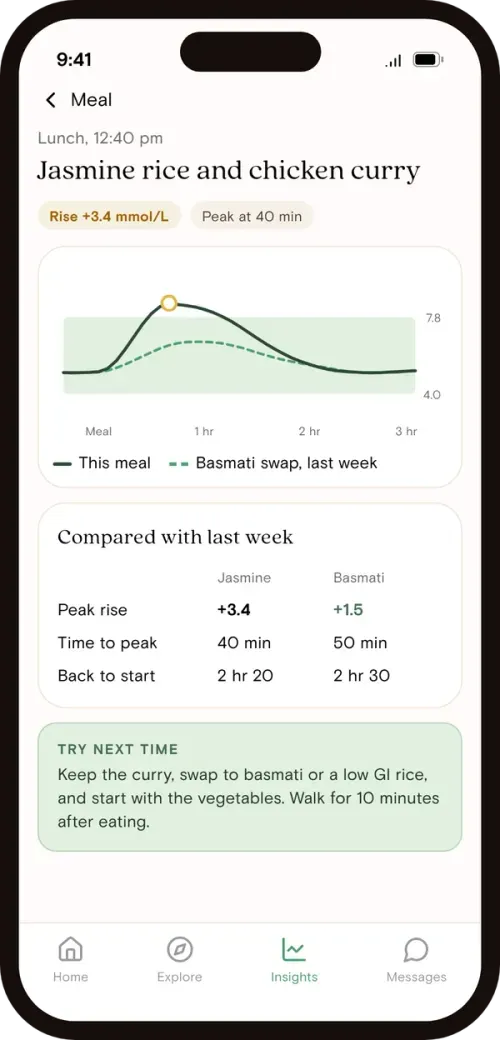
Moderately. 313 Vively members wearing a CGM rose a typical 1.8 mmol/L after a meat pie on its own, similar to white bread and white rice. The middle half rose between 0.9 and 2.8 mmol/L.
The pastry is refined white flour, and the gravy is often thickened with flour or starch. That is enough carbohydrate to raise glucose for most people, even with the meat inside.
They were close in our data: meat pie 1.8 mmol/L and sausage roll 1.7 mmol/L. Both are pastry-based, and both are high in saturated fat and salt, which matter for your heart more than the glucose rise.
There is no official cut-off for a spike in people without diabetes. In a 2019 study of healthy adults who wore CGMs, glucose stayed between 3.9 and 7.8 mmol/L for about 96% of the day. Rises after meals are normal. How high you go, how long you stay there and your pattern over weeks matter more.
We used meals logged in the Vively app by members wearing a CGM between January 2022 and October 2026, leaving out members who told us they have type 2 diabetes, and our own staff. The rise is the highest reading in the two hours after eating, minus the member’s average for the four hours before. If glucose fell, we counted the rise as zero. We took each member’s own median first, then the median across members. “On its own” means the food was the only item logged for that meal. The curves use members in the Sydney and Melbourne time zones, meals since January 2023 and each member’s three most recent meals of each kind. Data is de-identified and only shown when at least 30 members contribute. This is observational app data, not a controlled GI test, and portions vary.
This is observational data from real meals, not medical advice.

$99$79 Baseline Health Check this Black Friday. Ends 1 Dec.