How to break a fast: the best foods to eat first, and why
How to break a fast after 16 hours, a day or longer: what to eat first, what Vively members' CGM data shows about breakfast foods, and who needs advice first.

On this page
In short
- Break a 16:8 or 24-hour fast with an ordinary, moderate meal of protein, vegetables and a fibre-rich carbohydrate, plus water, with no need for broth.
- Eating protein and vegetables before carbohydrate cut the glucose peak by more than 40% in a 2019 prediabetes study, and a 10-minute walk afterwards also helps.
- Fasts longer than a couple of days, or fasting on glucose-lowering medicines, need your GP's advice first, and more than 5 days risks refeeding syndrome.
From Vively member data
2.1 mmol/L
Typical rise after porridge
eaten alone, across 458 members
1.2 mmol/L
Typical rise after an apple
eaten alone, across 2,285 members
56%
Lower rise pairing banana
with protein or fat, of 389 members
The healthiest way to break a fast is with an ordinary, moderate meal of protein, vegetables and a fibre-rich carbohydrate, with a glass of water. After a 16:8 or 24-hour fast you do not need broth or special foods. Fasts longer than a couple of days, or fasting on glucose-lowering medicines, need your GP's advice first.
How you break a fast depends on how long you went without food and on your health. Answer three questions to see where to start.
What is the best thing to eat after a fast?
The best first meal after a fast is one that combines protein, vegetables and a carbohydrate that comes with its fibre still in it. That mix gives you energy without a big swing in blood glucose, and it keeps you full until the next meal.
A good plate looks like this:
- Protein: eggs, Greek yoghurt, tofu, fish, chicken, lentils or chickpeas.
- Vegetables: spinach, tomato, mushrooms, a salad, or last night's roast vegetables.
- Fibre-rich carbohydrate: wholegrain or sourdough toast, rolled oats, legumes, brown rice, or a piece of whole fruit.
- Some fat: olive oil, avocado, nuts or seeds.
- Fluid: water first. Tea and coffee are fine if they suit you.
“Eat a breakfast loaded with protein: Greek yoghurt, eggs, tofu and meat are all good options.”
Dr Michelle Woolhouse, Vively Medical Director
Bone broth and fermented foods often appear on lists of foods to break a fast. They are fine if you like them, but there is no good evidence that you need them after a 16-hour or 24-hour fast. Your digestive system has not shut down. It handles a normal meal well.
| Fast | First meal | Then |
|---|---|---|
| Overnight to 16 hours (16:8) | Your usual balanced meal: for example eggs, spinach and mushrooms on sourdough, or Greek yoghurt with berries, oats and nuts | Eat normally for the rest of your eating window |
| About 24 hours | A moderate plate: grilled fish or tofu, vegetables and a small serve of brown rice or lentils | A second normal meal three to four hours later |
| 36 hours to 3 days | Smaller meals: soup with lentils and vegetables, or an omelette with salad | Build back to normal portions over a day. Check with your GP first if you have a health condition |
| More than 3 days, or very little food for longer | Plan refeeding with a doctor | Hospital guidelines treat more than 5 days of very little food as a refeeding risk |
What Vively members' glucose does after common breakfast foods
For most people the first meal after a fast is breakfast, so we looked at what breakfast foods do to glucose in Vively members wearing a continuous glucose monitor (CGM). The table shows each member's typical rise in the two hours after eating the food on its own, then the median across members.
| Food | Typical rise | Middle 50% | Members |
|---|---|---|---|
| Weet-Bix | 2.5 | 1.4 to 3.6 | 138 |
| Porridge | 2.1 | 1.4 to 2.9 | 458 |
| Croissant | 1.9 | 1.2 to 2.7 | 264 |
| Vegemite toast | 1.8 | 1.1 to 2.8 | 155 |
| Banana bread | 1.8 | 1.1 to 2.5 | 521 |
| Sourdough | 1.7 | 1.0 to 2.6 | 522 |
| Muesli | 1.6 | 0.9 to 2.6 | 237 |
| Banana | 1.6 | 0.9 to 2.2 | 2,394 |
| Granola | 1.4 | 0.7 to 2.1 | 235 |
| Apple | 1.2 | 0.5 to 1.8 | 2,285 |
Porridge, often suggested as a gentle way to break a fast, gave one of the larger typical rises. Portions were not controlled, and porridge made with instant oats and honey behaves differently to rolled oats with yoghurt and nuts. Granola and apple, with more fat or fibre per bite, sat lower. The spread matters too. For every food, a quarter of members rose by more than the top of the middle-50% range, and a quarter by less than the bottom of it.
Adding protein or fat to a carbohydrate helped a little, for just over half of the members who tried both.
The lesson from members' data is modest. Pairing your carbohydrate with protein helps, the kind and amount of carbohydrate matter more, and people differ. That is why seeing your own response is worth more than any list.
Does breaking a fast spike your blood sugar?
Breaking a fast with a large, carbohydrate-heavy meal can give a bigger rise than the same meal eaten later in a normal day. During a fast your body runs mostly on stored fat and insulin stays low. When a big load of fast-digesting carbohydrate arrives, insulin has to catch up.
The clearest trial evidence comes from people with type 2 diabetes. In a crossover trial by Jakubowicz and colleagues (2015), 22 people skipped breakfast on one day and ate it on another. On the day without breakfast, glucose after the identical lunch was 37% higher. That result does not transfer neatly to people without diabetes, but it fits with what CGM users often notice.
What you eat first also shapes the meal after it. In a 1982 study by Jenkins and colleagues, a lentil breakfast gave a 71% smaller glucose response than a bread breakfast with the same carbohydrate. The standard bread lunch eaten four hours later then gave a 38% flatter response. This is called the second meal effect.
Foods to go easy on when you break a fast
No food is off limits after a fast, but some make the first meal harder on your glucose and your stomach:
- Sugary drinks and juice on their own: fast sugar with nothing to slow it down.
- A very large meal: eating everything you missed at once is the most common cause of bloating and an afternoon slump.
- Refined carbohydrate alone: white bread, pastries or cereal with nothing alongside. Add protein, or have it after your vegetables.
- Alcohol on an empty stomach: it is absorbed faster, and in people on insulin or some diabetes tablets it can push glucose too low.
- Very fatty fried food: not harmful, but it sits heavily if you have not eaten for a day.
Simple habits that steady the first meal
Three habits have good evidence behind them, and none needs special food.
Eat vegetables and protein before the carbohydrate
In a study of 15 adults with prediabetes (Shukla and colleagues, 2019), eating protein and vegetables 10 minutes before the carbohydrate cut the glucose peak by more than 40% compared with eating the carbohydrate first. The meal was identical. Only the order changed.
Walk after you eat
A 2022 meta-analysis by Buffey and colleagues pooled trials that broke up sitting with short bouts of standing or light walking. Light walking lowered glucose after meals more than standing did. A 10-minute walk after your first meal is an easy place to start.
Choose carbohydrate with its fibre intact
Rolled oats over instant, whole fruit over juice, grainy or sourdough bread over white, and legumes wherever they fit. Our post on 16:8 fasting and metabolic health covers what the eating window itself does.
How to break a longer fast safely
The longer the fast, the more slowly you should return to full meals. After 36 hours to 3 days, start with a smaller meal, eat again a few hours later, and build back to normal portions over a day.
After many days of very little food there is a real medical risk called refeeding syndrome: a dangerous shift in fluids and salts such as phosphate, potassium and magnesium when eating starts again. Australian hospital guidelines, including the WA Country Health Service adult guideline, list very little or no food for more than five days as a risk factor. A fast that long needs a doctor involved before and after.
Check with your GP before any fast if you:
- take insulin or another medicine that lowers glucose, because doses may need to change and lows are a real risk (Diabetes Australia)
- are pregnant, breastfeeding, under 18 or underweight
- have had an eating disorder
- have a long-term health condition or take regular medicines
“Before starting to make any changes, I recommend that you assess where you're currently at. I want you to try to do this free of shame and judgement.”
Dr Michelle Woolhouse, Vively Medical Director
See your own response with a CGM
Lists of the best foods to break a fast describe averages. Your response depends on your insulin sensitivity, sleep, stress, activity and the exact food on your plate. A continuous glucose monitor shows you, meal by meal, which first meal keeps your glucose steady and which one sends it up and down.
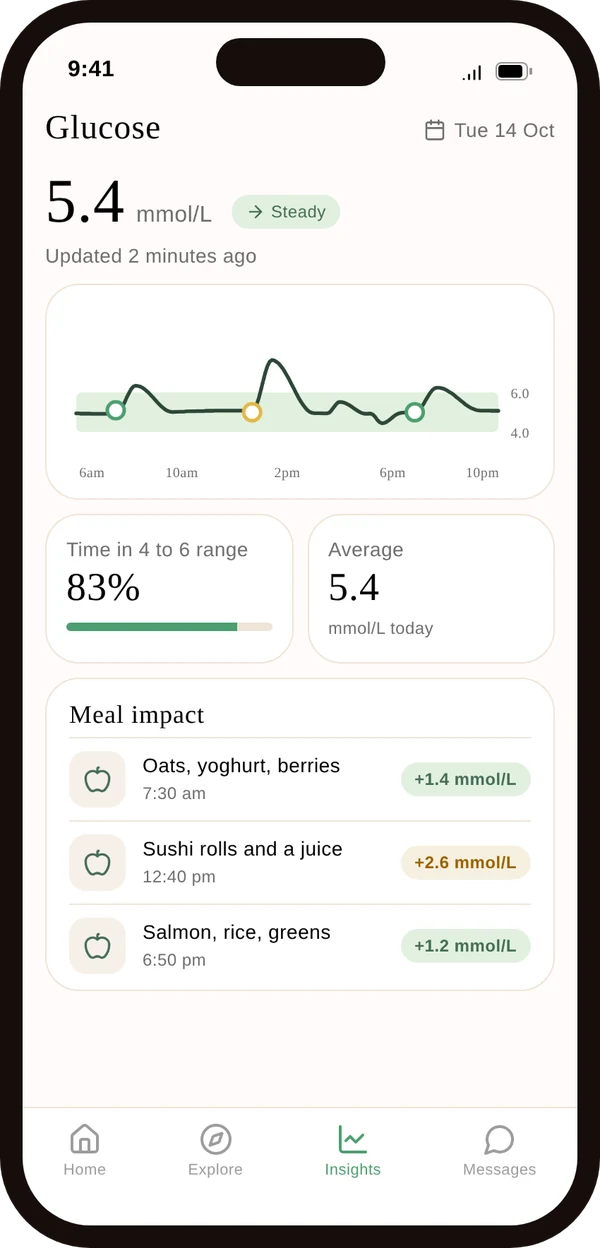
A CGM is not a diagnostic test. A single high reading after a big meal does not mean you have diabetes, and the pattern over several days tells you more than any one spike. If you are curious how a food compares, see how members respond to white bread or read our guide to whether apple cider vinegar breaks a fast.
How Vively can help
If you fast to look after your metabolic health, it helps to know where that health sits. The Vively Baseline is a blood test of 70+ markers, including fasting insulin and HbA1c, read against optimal ranges, with a practitioner who explains your results and a targeted re-test after 3 months. Through the membership, the CGM program adds the app and dietitian support, so you can test your own first meals and see what changes.
Wear a CGM sensor for 14 days and see how your meals, sleep, stress and movement shift your glucose, with a dietitian to help you read it.
Frequently asked questions
What should I eat first to break a 16-hour fast?
Eat a normal balanced meal. After a 16:8 fast your digestion is ready for ordinary food, so build the plate around protein such as eggs, Greek yoghurt or tofu, add vegetables, and include a fibre-rich carbohydrate like sourdough, rolled oats or fruit. Drink a glass of water, eat slowly and take a short walk afterwards.
Is it better to break a fast with protein or carbs?
Have both, with protein and vegetables first. In a 2019 study of adults with prediabetes, eating protein and vegetables 10 minutes before carbohydrate cut the glucose peak by more than 40%. Vively member CGM data shows a smaller benefit from pairing carbohydrate with protein or fat, and it varies between people.
Can I break a fast with fruit?
Yes. Whole fruit is a reasonable way to break a fast, especially alongside protein. In Vively member CGM data, an apple eaten alone gave a typical rise of 1.2 mmol/L and a banana 1.6 mmol/L. Pairing a banana with nut butter or yoghurt lowered the rise for 56% of members who tried both.
Is bone broth good for breaking a fast?
It is fine but not necessary. Bone broth is mostly water, salt and a little protein, so it is gentle, but there is no good evidence that you need it after a 16-hour or 24-hour fast. A normal meal with protein, vegetables and a fibre-rich carbohydrate does the job and keeps you full for longer.
How do you break a 3-day fast safely?
Start small and build up over a day. Begin with a modest meal such as lentil and vegetable soup or eggs with salad, eat again a few hours later, and return to normal portions gradually. Talk to your GP before a fast this long, particularly if you take medicines or have a health condition. Fasts beyond five days need medical supervision.
Sources
- Diabetes Australia. Intermittent fasting: is it for you? 2022.
- WA Country Health Service. Adult Refeeding Syndrome Clinical Guideline.
- Jakubowicz D, et al. Fasting until noon triggers increased postprandial hyperglycemia and impaired insulin response after lunch and dinner in individuals with type 2 diabetes. Diabetes Care, 2015.
- Jenkins DJ, et al. Slow release dietary carbohydrate improves second meal tolerance. American Journal of Clinical Nutrition, 1982.
- Shukla AP, et al. The impact of food order on postprandial glycaemic excursions in prediabetes. Diabetes, Obesity and Metabolism, 2019.
- Buffey AJ, et al. The acute effects of interrupting prolonged sitting time in adults with standing and light-intensity walking on biomarkers of cardiometabolic health. Sports Medicine, 2022.
The Baseline Health Check is a blood test covering 70+ markers at one of 3,700+ collection centres. Your dietitian goes through your results with you and builds your plan. $99$79 this Black Friday, ends 1 Dec. Then $99 a month, cancel anytime.