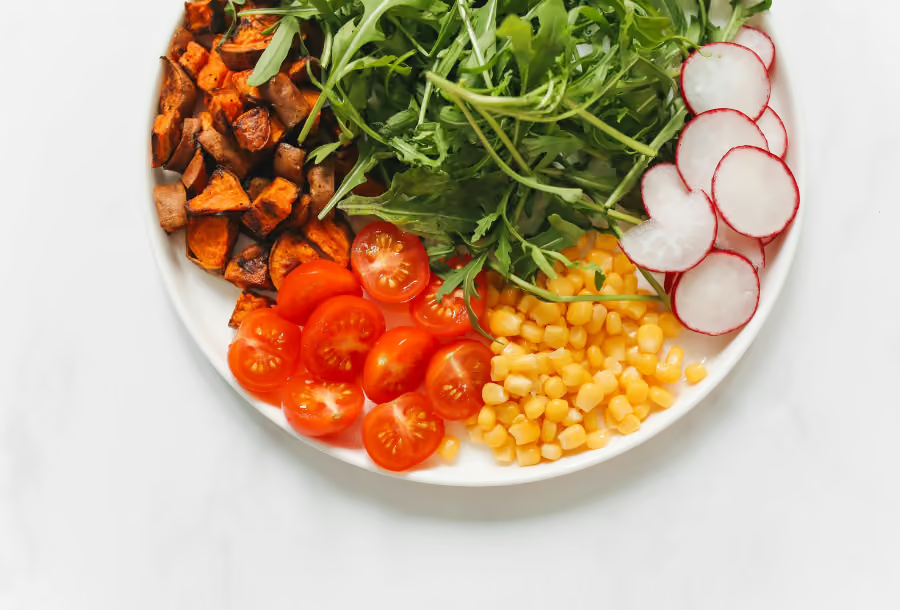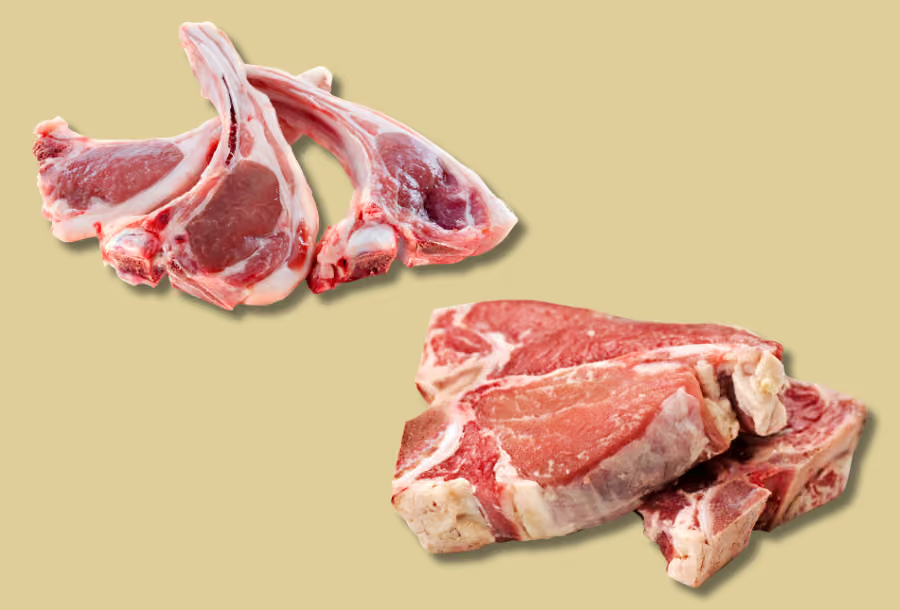



Carbohydrates supply energy, and the glycaemic index compares the blood glucose response to carbohydrate-containing foods under standard test conditions. Your actual meal response also depends on the amount you eat, its preparation and the other foods on your plate. Use GI to inform choices without treating it as a complete nutrition score.
Start with a meal you already enjoy. Improving its balance is usually more useful than replacing it with an unfamiliar diet or judging every ingredient separately. This checklist can help you plan the next version.
Digestible carbohydrate is broken down into sugars that can enter the bloodstream and provide energy. Starch comes from foods such as bread, rice, potatoes and legumes. Sugars occur naturally in fruit and milk and can also be added during food preparation.
Insulin helps regulate the movement and storage of glucose. The liver and muscles can store glucose as glycogen for later use, while the liver also helps maintain glucose between meals. This is a normal process, and a rise after eating carbohydrate does not automatically signal a problem.
Fibre is also a carbohydrate, but it behaves differently from digestible starch and sugar. Different fibres support bowel function and the gut, and some can slow digestion. Our soluble fibre guide explains the distinction without treating every high-fibre food as low GI.
The labels simple and complex describe chemical structure but do not reliably predict a meal's glucose effect. Fruit contains simple sugars alongside fibre and nutrients. A finely processed starchy food can be digested quickly. Food structure and preparation matter alongside the type of carbohydrate.
GI helps compare the glucose effect of tested carbohydrate foods, rather than predicting your exact reading. Testing uses comparable amounts of available carbohydrate. A GI value therefore does not describe what happens after any portion you choose at home.
The University of Sydney's GI research information explains why the type of starch, food structure and processing can change the result. Different rice varieties can behave differently. Milling a grain finely can make its starch easier to digest even when the product retains fibre.
For familiar examples, compare the food-specific pages on porridge and sourdough. They explain member glucose responses with their limitations. Those responses do not establish the GI of every product sold under the same food name.
Many foods with little carbohydrate, including fish and leafy vegetables, do not have a meaningful GI value under standard testing. Calling a fish meal low GI may sound helpful, but the label says little about the rice or bread served beside it. Use GI for the carbohydrate foods it was designed to compare.

Portion size affects the amount of carbohydrate available even when a food has a lower GI. Glycaemic load combines GI with the amount of available carbohydrate in a serving. It adds context, but it still cannot predict your exact response to a mixed meal.
Imagine serving the same pasta in a small bowl and a much larger bowl. Its GI has not changed because the portion grew. The larger serving supplies more carbohydrate and may produce a different glucose response. Adding vegetables and a protein food can help create a satisfying meal without relying on an oversized pasta portion.
There is no universal portion that suits every person. Activity, appetite, pregnancy, medicines and medical conditions all matter. Someone training for an endurance event may need a different carbohydrate plan from someone adjusting food around insulin doses.
Read the carbohydrate information on packaging alongside the serving size. The manufacturer's serving may differ from the amount you eat. Comparing like with like is more useful than relying on front-of-pack phrases such as natural, wholegrain or no added sugar to predict glucose.
Protein supplies amino acids used for tissue maintenance and many other body functions. Foods include eggs, fish, lean meat, tofu, legumes and dairy. Several of these also provide carbohydrate or fat, so food groups do not fit into perfectly separate boxes.
Including a suitable protein food can make a meal more satisfying and change its glucose response. It does not block carbohydrate absorption or guarantee a flat curve. Protein can stimulate insulin release, so it is inaccurate to say that adding protein always lowers insulin.
For breakfast, add plain yoghurt to oats or eggs to toast if those foods suit you. For lunch, include tofu or beans in a grain bowl. These are ways to make a meal more complete rather than a prescription for the same protein intake for everyone.
Large meals containing substantial protein and fat can contribute to a later glucose rise, particularly relevant in insulin-treated diabetes. Diabetes Australia discusses this delayed effect. If you need insulin, ask your diabetes team how to handle such meals rather than changing the dose from general food advice.
Fat can slow stomach emptying and change the timing of a meal's glucose response. A smaller early rise does not necessarily mean a meal is better for your health. A high-fat meal may produce a later or more prolonged rise and can supply considerable energy.
Choose unsaturated-fat foods that fit the meal, such as olive oil, avocado or nuts. Replacing some saturated fat with unsaturated fat supports heart health. This matters because food choices should consider cholesterol and nutrition as well as glucose.
Adding butter or oil solely to flatten a CGM trace can miss that broader purpose. The same applies to choosing a rich dessert because its early glucose rise looks smaller than fruit. A graph cannot tell you whether a meal supplies enough fibre or whether its fat composition suits your health needs.
Routine cooking does not automatically turn unsaturated oils into trans fats. Use suitable cooking methods and avoid repeatedly overheating oil. If you have questions about dietary fats and your blood results, discuss the meal pattern and relevant results with your practitioner rather than judging one ingredient in isolation.

A low-GI eating pattern changes carbohydrate quality, while a low-carbohydrate pattern changes its amount. You can eat carbohydrate-containing foods throughout the day and still choose lower-GI options. These terms should not be used interchangeably.
Ketosis occurs when the body produces more ketones while using fat for fuel, often during marked carbohydrate restriction. It is not necessary to enter ketosis to make useful food changes. A CGM measures glucose and cannot confirm ketone levels or show that a ketogenic diet is nutritionally adequate.
A restrictive diet can make it harder to obtain enough fibre and enjoy food with others. People who are pregnant, have diabetes or use medicines need individual advice before major restriction. Some diabetes medicines create particular ketoacidosis risks, so a low glucose reading is not assurance that a very low-carbohydrate diet is safe.
Diabetic ketoacidosis is a medical emergency and differs from nutritional ketosis. If you have diabetes, follow your ketone and sick-day plan and seek urgent care for concerning symptoms. Do not rely on a diet article or glucose graph to decide whether you need help.
Repeated observations can help identify a practical food adjustment, but glucose is only part of nutrition. Our glucose information hub explains the wider context, and the after-meal glucose guide covers interpretation without inventing a universal peak target.
If monitoring is appropriate for you, compare similar meals and change something modest, such as the grain or portion. Note sleep and activity so differences are not automatically credited to food. Keep foods you enjoy where possible, and seek help if monitoring leads to anxiety or increasing restriction.
Vively can help you explore food and lifestyle patterns using glucose data and practitioner guidance. A fasting glucose test answers a different question from a meal trace and may form part of clinical assessment. A CGM does not diagnose food intolerance or judge the quality of your entire diet.
Learn what sensor monitoring can show and how to interpret it alongside food quality and your health needs.
No. Complex describes the chemical structure of starch, rather than how a particular food behaves after processing and cooking. Some starchy foods are digested quickly. Look at the specific food, fibre, structure and portion rather than assuming that complex means a small glucose response or that all naturally occurring sugars should be avoided.
No. GI compares the glucose effect of tested carbohydrate foods, while low carbohydrate describes how much carbohydrate a diet or meal contains. A lower-GI food can still supply a substantial amount of carbohydrate. Both quality and portion matter, and the right amount depends on your needs and any individual diabetes treatment plan.
Protein does not stop carbohydrate from raising glucose. Including protein can change the meal response and improve satisfaction, but it can also stimulate insulin release. Large mixed meals may cause a delayed glucose rise. If you take insulin, discuss meal adjustments with your diabetes team rather than assuming protein removes the need to account for carbohydrate.
Adding fat solely to reduce an early glucose rise is not a reliable nutrition strategy. Fat can delay digestion and a rise may appear later. Consider the type of fat, portion and the rest of the meal. Unsaturated-fat foods can fit a healthy pattern without being used to chase the flattest possible trace.
No. A CGM measures glucose in the fluid around cells and does not measure ketones. A low or steady glucose trace cannot confirm ketosis or establish that a restrictive diet is safe. Ask your clinician before major carbohydrate restriction if you have diabetes, take medicines, are pregnant or have another medical condition.
START YOUR BASELINE
Vively includes a Baseline Health Check with 70+ biomarkers, a results report and practitioner support in the $99 a month membership. No minimum term.
Explore Baseline Health CheckSubscribe to our newsletter & join a community of 30,000+ Aussies

Start a PCOS assessment with your GP. Learn which blood tests matter, when ultrasound or AMH is useful, and how contraception affects results.


Know what to do about an unexpected high blood sugar reading, when to seek urgent help, and which everyday habits support longer-term glucose care.





Vively is a general wellness platform and does not provide medical advice, diagnosis, or treatment. Any information, insights or guidance offered through our app, website, programs, or coaches is for educational and informational purposes only and should not be considered a substitute for professional medical advice or care. Always consult a qualified healthcare provider before making any health-related decisions.
We acknowledge the Traditional Custodians of the lands where we live and work, the Gadigal of the Eora Nation. We pay our respects to their Elders past and present.
 Share
 Tweet
 Share