What is veal, and is it healthy?
Veal is a nutritious, lean meat option packed with protein and essential vitamins, but moderate consumption is key due to its saturated fat content.

On this page
In short
- Veal is lean meat from young calves, with about 480 kJ (114 calories), 21.8 g of protein and 2.9 g of fat per 100 g of lean loin.
- Veal has no carbohydrate and is a good source of vitamin B12, potassium and leucine, so it suits muscle building and low-carb eating.
- Lean veal loin has about 1.1 g of saturated fat per 100 g, and the Heart Foundation advises under 350 g of red meat, veal included, a week.
From Vively member data
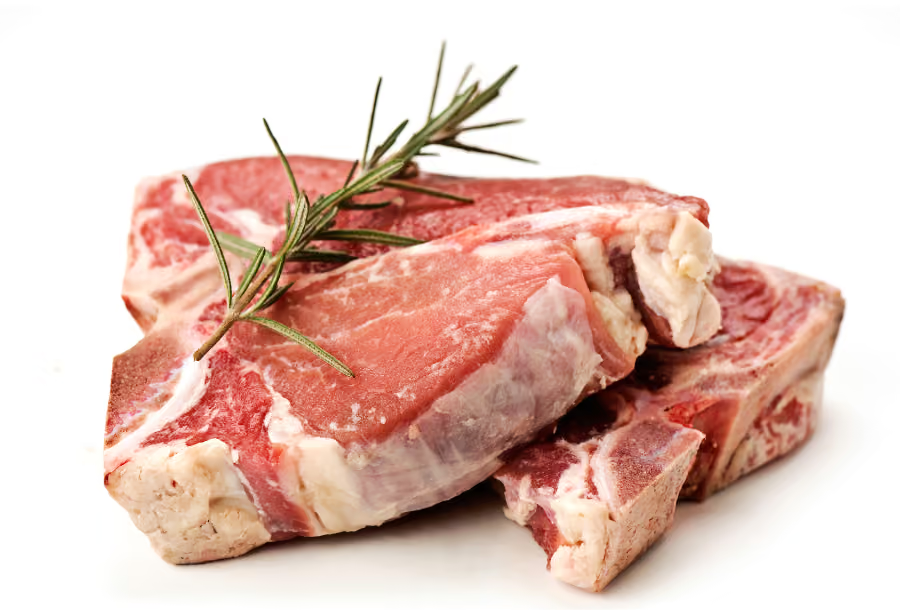
Veal is a lean, tender meat sourced from young calves. It stands out for its high protein content, low fat, and zero carbohydrates, making it a great option for muscle building, weight management, and ketogenic diets.
100 g of lean veal loin provides about 22 grams of protein and 3 grams of fat, along with essential nutrients like potassium, vitamin B12, and phosphorus. However, it’s important to choose lean cuts and consume them in moderation due to their saturated fat content.
Key nutrition facts per 100 g of lean veal loin:
- Energy: about 480 kJ (114 calories)
- Protein: 21.8 g
- Fat: 2.9 g
- Vitamin B12: a good source
Veal is versatile, with different types like milk-fed or grain-fed veal offering varying flavours and textures. When selecting veal, opt for fresh, lean cuts and pair it with vegetables for a balanced meal.
While veal offers many health benefits, consider dietary needs and preferences before adding it to your diet.
What is veal?
Veal comes from young calves. In Australia, the AUS-MEAT handbook defines veal by carcase weight: veal carcases weigh 70.1 to 150 kg, and lighter carcases are sold as light veal or bobby veal. Compared to beef from older cattle, veal has a pale, creamy colour with subtle greyish-pink hues. This makes it a distinct choice for many dishes.
Veal has its roots in European cooking, especially in Italian and French cuisines. It’s closely linked to dairy farming, as male calves from dairy operations are often raised for veal since they aren’t needed for milk production.
Three main types of veal
The type of veal you pick can influence both how you cook it and how it tastes. Here’s a breakdown of the main varieties:

In addition to the type, veal cuts also play a big role in flavour and texture. For example, tenderloin is lean with a mild flavour, rib chops are richer and more affordable, while loin chops or sirloin steaks have a stronger taste due to their higher fat content.
What sets veal apart is the combination of the calf's young age and its carefully managed diet. These factors give veal its signature pale colour and tender texture, making it a popular choice for sophisticated recipes.
Veal production methods
Veal production combines established practices with industry standards, with calves' diets playing a key role in determining the meat's quality and safety.
Calf care and feeding
There are two primary feeding methods for veal calves:

Milk-fed calves are given a nutrient-rich liquid diet packed with essential vitamins and minerals. These calves are typically raised for 5 to 8 weeks less than grain-fed calves, resulting in lighter, more tender meat. On the other hand, grain-fed calves consume a diet based on grains and cereals, which produces meat with a deeper colour and firmer texture.
These dietary choices have a direct impact on the meat's quality and how it is processed.
Processing standards
In certain regions, strict regulations ensure that both milk-fed and grain-fed veal meet established quality and safety requirements.
Veal nutrition facts
100 g of lean veal loin provides about 480 kJ (114 calories) and 21.8 grams of protein, based on the USDA figures Verywell Fit reports for a 113 g serve.
Vitamins and minerals in veal
Veal is packed with nutrients that support essential bodily functions. Here's the breakdown for a 113 g serving of veal loin:

Veal vs other meats
Veal's nutrient profile sets it apart from other meats. Each serving contains nearly 2 grams of leucine, an amino acid essential for building muscle. Compared to chicken, veal offers more vitamins and minerals, while being lower in calories and cholesterol than pork. These factors make veal a solid choice for those aiming for a balanced and nutrient-rich diet.
Looking for practical food ideas? Check out this 7-day meal plan for prediabetes created by dietitians.
Health effects of eating veal
Pros of eating veal
Veal is packed with nutrients that can benefit your health in several ways:
- Muscle support
Veal is rich in protein and leucine, which are essential for building and maintaining muscle mass. - Vitamin B12
Veal is a good source of vitamin B12, which the body needs for healthy nerves and red blood cells. - Helps manage blood pressure
100 g provides about 260 milligrams of potassium, which supports healthy blood pressure by balancing fluids and promoting proper circulation.
While veal has many benefits, it’s essential to weigh its potential downsides.
Cons of eating veal
Despite its advantages, veal has a few drawbacks:
- Saturated fat
100 g of lean veal loin contains about 1.1 grams of saturated fat. Be mindful of your intake and follow the Heart Foundation's advice on red meat (less than 350 g of unprocessed red meat, including veal, a week).
Choosing quality veal
Proper selection and handling of veal are important for maintaining its nutritional value and ensuring food safety. Here’s how to do it:
- Storage tips
- Keep veal refrigerated at 5°C or below.
- Follow these shelf-life guidelines:
- Veal chops: 3 to 5 days in the fridge
- Veal mince: 1 to 2 days in the fridge
- Frozen veal chops/roasts: 5 to 6 months
- Frozen veal mince: 4 to 5 months.
- Safe handling
- Refrigerate cooked veal promptly.
- Consume cooked veal within 3 to 4 days.
- Discard any cooked veal left at room temperature for over 2 hours.
For the best results, opt for lean veal cuts and pair them with vegetables and whole grains. This way, you can enjoy its nutritional perks while keeping any potential concerns in check.
Is veal or lamb healthier?
Both are good sources of protein and contain no carbohydrate. Veal is usually the leaner choice, with less total and saturated fat per serve. Lamb carries more fat, including a little more omega-3, and in USDA figures for cooked retail cuts it also supplies more iron, zinc and selenium. The Heart Foundation's red meat limit of less than 350 g a week covers both.
Neither meat raises glucose much on its own. In the example CGM traces below, lamb peaked at 5.0 mmol/L and veal at 5.5 mmol/L: both small rises, as you would expect from foods with no carbohydrate. What you eat with the meat (rice, bread, potato or vegetables) makes a bigger difference.

Should you eat veal?
Deciding whether to include veal in your diet depends on your health goals and dietary preferences. Here's what you should know about its nutritional value and potential health considerations.
For weight management
Veal is a lean protein option with no carbohydrates, and lean loin has about 480 kJ (114 calories) per 100 g. This makes it a good choice for low-carb or keto diets. To keep your meals lighter, go for lean cuts and use healthier cooking methods like grilling or baking.
For muscle building
Veal is rich in essential amino acids and particularly high in leucine, which is key for muscle protein synthesis. This makes it a great option for those looking to support muscle growth and recovery.
Health considerations
Before adding veal to your diet, take these health factors into account:

Making an informed choice
If you decide to eat veal, here are a few tips:
- Opt for lean cuts instead of processed options.
- Pair veal with a variety of vegetables for a balanced meal.
- Consider chicken as an alternative: it offers similar protein with fewer calories.
Curious how timing your meals and workouts affects your blood sugar? Learn more in our guide on optimising nutrition and exercise with a CGM.
Want to see where your own markers sit? The Baseline Health Check measures 70+ biomarkers and explains your results against optimal ranges.
The Baseline Health Check is a blood test covering 70+ markers at one of 3,700+ collection centres. Your dietitian goes through your results with you and builds your plan. $99 a month, no minimum term.