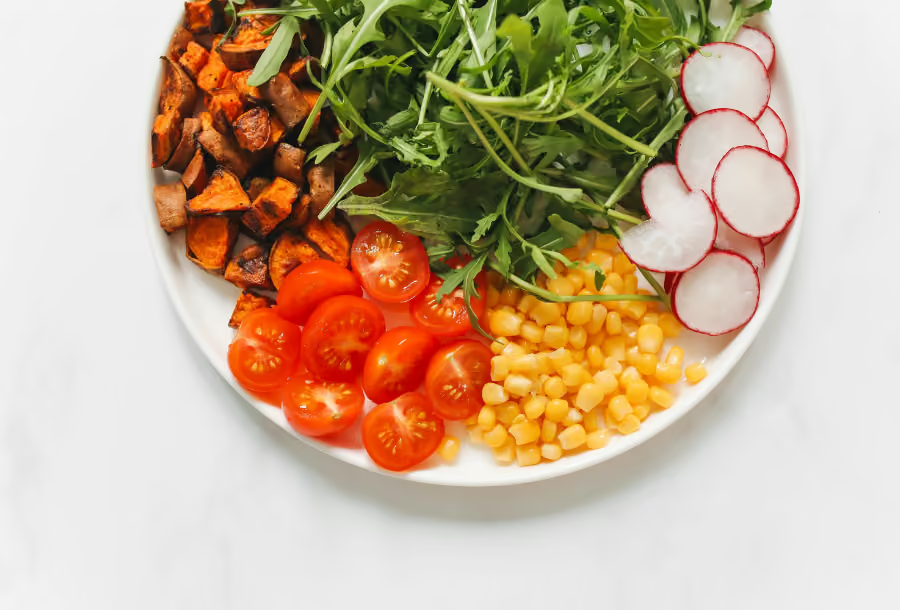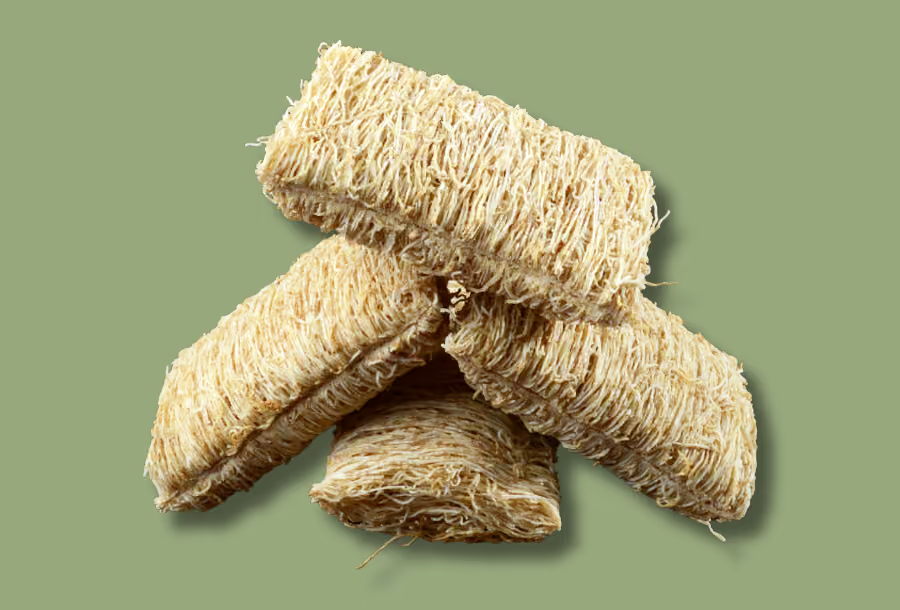



A good 7-day meal plan for prediabetes builds every meal around low GI carbohydrates, vegetables, legumes, fish, olive oil, nuts and dairy, with no foods banned. In Australia, prediabetes means a fasting glucose of 6.1 to 6.9 mmol/L or a 2-hour glucose tolerance result of 7.8 to 11.0 mmol/L. The full plan and a shopping list are below.
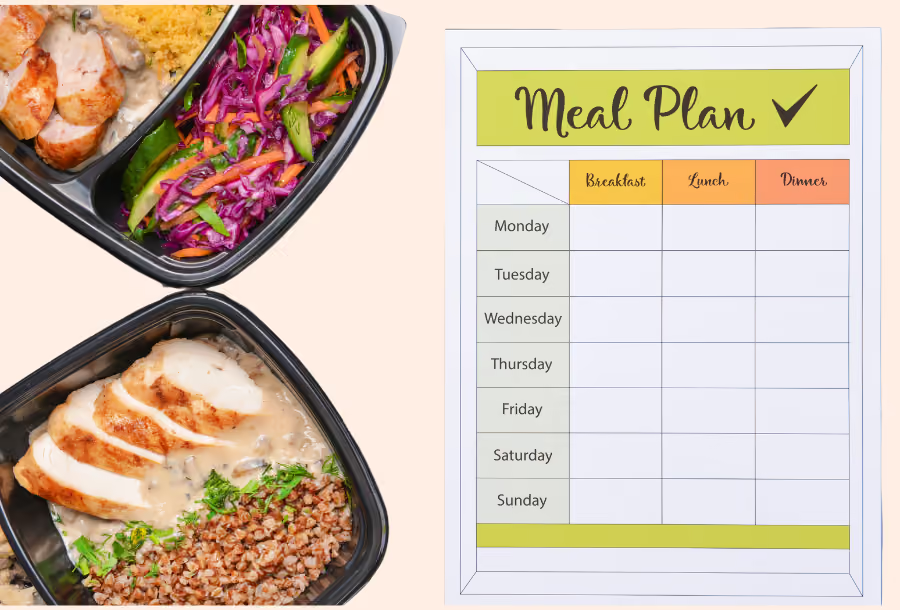
Our dietitians wrote this plan for real Australian kitchens and supermarkets. Tap through the days, open the shopping list, or print the whole week to stick on the fridge.
Fridge: natural Greek yoghurt, milk (dairy or calcium-fortified soy), eggs, feta, cheese, hummus, chicken breast, lean pork loin, lean beef strips, barramundi or flathead, salmon fillets
Fruit and veg: mixed berries (fresh or frozen), apples, pears, oranges, kiwifruit, strawberries, avocados, baby spinach and salad leaves, broccoli and broccolini, green beans, cauliflower, sweet potato, pumpkin, carrots, celery, capsicum, tomatoes, cucumber, mushrooms, lemons, garlic
Bread and grains: grainy or seeded bread, sourdough rye or dense rye bread, wholegrain wraps, wholegrain rolls, rolled or steel-cut oats, pearl barley, quinoa, wholemeal or legume pasta, low GI brown rice or basmati rice, popping corn
Pantry: red lentils, canned lentils, canned chickpeas, canned black beans, canned cannellini beans, canned tuna in springwater, canned tomatoes, LSA, chia seeds, unsalted almonds and mixed nuts, natural peanut butter, tahini, shredded coconut, extra virgin olive oil, vinegar, cinnamon
Every meal pairs a modest serve of low GI carbohydrate with vegetables, protein and some healthy fat, so glucose rises more slowly after eating.
You do not need to count carbohydrates or calories to follow it. A simple plate guide does most of the work:
The University of Sydney's GI Foundation explains that protein and fat slow digestion when eaten with carbohydrate, and acids such as vinegar or lemon juice slow how fast the stomach empties. That is why many meals here come with a dressing or a squeeze of lemon.

Eating at roughly the same times each day makes hunger easier to manage and stops you arriving at dinner starving.
Timing matters too. In a 2020 study in the Journal of Clinical Endocrinology and Metabolism, healthy adults had higher glucose after a late dinner than after the same meal eaten earlier in the evening. If you can, finish dinner a few hours before bed.
The biggest gains come from swapping the type of carbohydrate you eat most often, usually bread, rice and breakfast cereal.
A food's GI shows how quickly its carbohydrate raises blood glucose. Low is 55 or less, medium is 56 to 69 and high is 70 or more. The same food can test quite differently depending on the variety, its amylose (a slow-digesting starch), how it is cooked, how ripe it is and the size of the serve. That is why many foods carry a range.

Prediabetes is diagnosed with a blood test ordered by your GP, most often a fasting glucose test or an oral glucose tolerance test.
Australian GP guidance treats a fasting glucose of 5.5 to 6.9 mmol/L as a reason for further testing. You may also see 5.6 mmol/L online as the start of prediabetes: that is the US cut-off, which is why numbers differ between websites.
Prediabetes rarely causes symptoms, so most people find out from a routine blood test. Read more about the signs of prediabetes that do sometimes show up.
Glucose can stay in the normal range for years while your body makes more and more insulin to hold it there. A fasting insulin test can pick up this insulin resistance earlier than glucose alone, and the same eating pattern helps.
No single diet wins for everyone, but a Mediterranean-style pattern built on low GI carbohydrates has the strongest evidence, and it is the pattern this plan follows.
| What it looks like | A good fit if you | |
|---|---|---|
| Mediterranean | Vegetables, legumes, wholegrains, fish, olive oil and nuts, with less red and processed meat | Want a flexible pattern that also helps your heart |
| Low GI | Swapping fast-digesting carbohydrates for slower ones, without cutting them out | Like clear swaps and still want bread, rice and fruit |
| Lower carbohydrate | Smaller serves of starchy foods, with more vegetables, protein and healthy fats | Like smaller serves of bread, rice and pasta |
| DASH | Plenty of vegetables, fruit, wholegrains and low-fat dairy, with less salt | Also have high blood pressure |
In the Spanish PREDIMED trial, adults at high risk of heart disease who followed a Mediterranean diet with extra virgin olive oil developed type 2 diabetes less often than those given low-fat advice, even though they were not asked to lose weight.
Low GI eating does not cut carbohydrates out. It changes which ones you eat, so the rise in glucose after a meal is slower and smaller. Australia's Baker Heart and Diabetes Institute recommends basmati, Doongara or long grain rice instead of jasmine, and grainy, sourdough or pumpernickel bread instead of white or wholemeal.
Smaller serves of starchy food can bring glucose down, and some people find this easy to keep up. Very low carbohydrate diets are harder to sustain and are best done with support from your GP or a dietitian, especially if you take medicine for glucose. In practice, the best diet for prediabetes is the one you can follow most days for years.
Women with prediabetes can follow the same plan; what changes with life stage is serve size and a few extra checks.

The same 7-day plan suits prediabetes and high cholesterol, because the foods that steady glucose also tend to improve blood fats.
High triglycerides often go hand in hand with insulin resistance. A triglycerides test alongside your glucose results shows whether the two are moving together.
Treat the plan as a template: repeat meals you like, swap ones you do not, and keep the plate pattern the same.
Swap chicken, pork, beef and fish for firm tofu, tempeh, eggs, lentils, chickpeas or beans. Keep a protein food at every meal so you stay full.
Look for grilled fish or meat with salad or vegetables, ask for sauces on the side, and add a side salad if the meal has none. A short walk afterwards helps your muscles use some of the glucose from the meal.
Food matters most, but regular movement, good sleep and, for many people, modest weight loss also lower your risk.
Diabetes Australia says healthy lifestyle changes can prevent or delay up to 58% of type 2 diabetes cases in people at high risk. A walk after meals, strength training a couple of times a week and a regular sleep routine all count. Ask your GP how often to repeat your blood tests so you can see whether the changes are working.
If you want to see how your own body handles a meal, a CGM sensor shows your glucose response to the foods in this plan in real time.
Our Baseline Health Check measures 70+ markers, including fasting glucose, HbA1c, fasting insulin and HOMA-IR, from one blood draw at one of 3,700+ accredited partner collection centres. We arrange the doctor's referral for you, and a practitioner explains your results in the app. The membership includes a targeted re-test after 3 months.
The Baseline Health Check measures 70+ markers, including fasting glucose, HbA1c, fasting insulin and HOMA-IR. Results land in the app within a few days, read against optimal ranges. Your first $99 includes the Baseline and your first month of membership.
Yes. The plan on this page is free, and the print button saves the full week as a printable page or PDF from your browser. It includes breakfast, lunch, a snack and dinner for seven days, plus a shopping list grouped by aisle. Swap meals between days as you like, as long as you keep the plate pattern.
For many people, yes: glucose can return to the normal range after changing what they eat, moving more, sleeping better and, where needed, losing some weight. Diet works best alongside those other changes. Your GP will repeat your blood tests to check progress, because prediabetes can return if old habits come back.
Yes. You do not need to cut them out, but the type and serve matter. Choose basmati or low GI rice over jasmine, and dense rye, sourdough rye or grainy bread over white or wholemeal. Keep the serve to about a quarter of your plate, and eat it with vegetables, protein and a little healthy fat.
Yes, the foods suit type 2 diabetes too, but the details may need changing. If you take insulin or other medicine that can cause low glucose, the amount and timing of carbohydrate matters more. Ask your GP, dietitian or credentialled diabetes educator to adjust serve sizes before you start.
A good breakfast combines protein with a low GI carbohydrate. Eggs on grainy or rye toast, natural Greek yoghurt with berries and nuts, or oats cooked with milk all work well. Sugary cereals, white toast with jam and fruit juice raise glucose faster, so keep them for occasional mornings.
START YOUR BASELINE
Vively includes a Baseline Health Check with 70+ biomarkers, a results report and practitioner support in the $99 a month membership. No minimum term.
Explore Baseline Health CheckSubscribe to our newsletter & join a community of 30,000+ Aussies

Start a PCOS assessment with your GP. Learn which blood tests matter, when ultrasound or AMH is useful, and how contraception affects results.


Know what to do about an unexpected high blood sugar reading, when to seek urgent help, and which everyday habits support longer-term glucose care.





Vively is a general wellness platform and does not provide medical advice, diagnosis, or treatment. Any information, insights or guidance offered through our app, website, programs, or coaches is for educational and informational purposes only and should not be considered a substitute for professional medical advice or care. Always consult a qualified healthcare provider before making any health-related decisions.
We acknowledge the Traditional Custodians of the lands where we live and work, the Gadigal of the Eora Nation. We pay our respects to their Elders past and present.
 Share
 Tweet
 Share