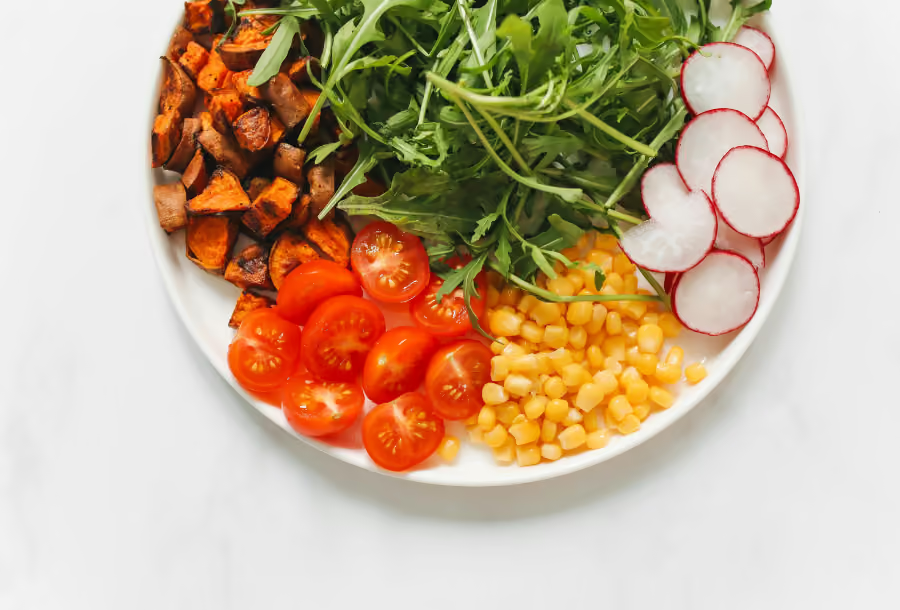



Foods that help stabilise blood sugar include fibre-rich carbohydrate choices, vegetables, nuts and suitable protein foods combined in satisfying meals. Berries, nuts and seeds, leafy greens, oily fish and wholegrains are useful starting points. None guarantees a flat glucose curve, and the portion and the rest of your meal still matter.
Use this list to improve meals you already eat. There is no need to buy every food, remove all carbohydrate or spend more on products labelled for blood sugar. Frozen, tinned and seasonal options can make the plan easier to maintain.
Berries provide fibre and nutrients while still contributing carbohydrate. Blueberries, strawberries and mixed frozen berries can fit into meals or snacks, including for many people managing diabetes. They do not need to be treated as a supplement or eaten in a precisely counted handful.
Combine berries with plain yoghurt and oats for breakfast, or eat them with a meal you find satisfying. If berries are expensive, choose other whole fruit you enjoy. Apples, oranges and pears can also fit a varied eating pattern, and the best choice may be the one you can afford regularly.
Whole fruit usually offers more fibre than juice. Juice can be consumed quickly and may provide a substantial carbohydrate amount without the same satisfaction. A smoothie also varies with its ingredients and size; adding several fruits and juice does not make it equivalent to eating a piece of fruit.
Blueberries can raise glucose, and that does not make them unhealthy. Look at the portion, what you ate with them and any individual advice you have received. Our fruit glucose information provides an example of how a familiar fruit can be considered without labelling every rise as harm.

Nuts and seeds provide unsaturated fats, fibre and some protein. Unsalted options can be useful in meals or snacks, such as walnuts on porridge, seeds in a salad or nut butter on toast. Choose forms that are safe for you and avoid foods that trigger an allergy.
Use them to improve an existing meal rather than automatically adding more food. For example, replacing a less satisfying biscuit snack with fruit and nuts may suit your appetite. If you prefer seeds or need a nut-free option, discuss suitable alternatives where allergies or school rules apply.
Protein-containing foods can stimulate insulin release, so nuts should not be described as stopping insulin. Insulin is a normal and necessary hormone. The aim is to eat well and manage any diagnosed condition, rather than make every food produce the smallest possible hormone response.
Coatings and added ingredients change the product. Honey-roasted nuts and sweetened seed bars differ from plain nuts. Read labels where useful, and consider whether the product fits your needs instead of relying on a low-carbohydrate marketing claim.
Leafy greens add nutrients and meal volume with relatively little digestible carbohydrate. Spinach, rocket, lettuce and Asian greens are options, but broccoli, cauliflower and frozen mixed vegetables are useful too. You do not need to rank them by an invented GI value.
The University of Sydney explains that many low-carbohydrate vegetables cannot be assigned a meaningful GI using standard testing. Their value comes from their place in a varied diet. A salad label also does not tell you the glucose response of its dressing, croutons, grain portion or drink.
Make vegetables convenient. Add frozen spinach to a frittata, use bagged salad with leftovers or include broccoli in a stir-fry. If chopping is a barrier, pre-cut vegetables may be worth considering within your budget. Cooking vegetables is a useful option and does not make them nutritionally pointless.
Balance vegetables with enough energy and protein. A bowl of leaves alone may leave you hungry, especially after activity. Add beans, tofu, fish or another protein and a suitable carbohydrate food. Our carbohydrate and GI guide explains how the components work together.
Oily fish supplies protein and unsaturated fats and can contribute to a healthy eating pattern. Salmon and sardines are familiar examples. Fish contains little carbohydrate by itself, but it does not cancel the carbohydrate in rice, bread or a sauce served alongside it.
Tinned fish can make a quick meal with wholegrain toast and salad. Choose products you enjoy and consider the salt and other ingredients. If you do not eat fish, tofu, eggs, legumes or another suitable protein can help complete a meal. No single food is essential for everyone.
Protein and fat can change the timing of a meal's glucose response. A smaller early rise does not guarantee that the response will stay smaller later. This can be especially relevant with large mixed meals in insulin-treated diabetes, where your treating team should guide food and medicine adjustments.
Avoid using glucose alone to judge the meal. Fish with vegetables and a grain portion supplies a different balance from fish in a large battered takeaway meal. Both the preparation and what you eat with it matter, and occasional choices do not need to become a reason for guilt.

Wholegrains supply fibre and nutrients that can be lost during refining. Oats, barley and wholegrain breads are practical choices, but wholegrain does not always mean low GI. Milling, food structure and cooking can affect how quickly carbohydrate becomes available.
For breakfast, try plain oats with yoghurt and fruit rather than relying on a sweetened breakfast drink. Our porridge response page explains how preparation and portions can matter. If bread is your preference, look at the loaf you actually buy rather than assuming its colour tells you everything.
Rice can also stay on the menu. The brown rice response page offers context, while the meal balance still matters. A smaller rice portion combined with vegetables and beans may work differently from a large bowl of rice alone. Avoid assuming that every brown rice is lower GI than every white variety.
Increase fibre gradually if you are not used to it, and drink normally unless you have a fluid restriction. Some people with gut conditions need tailored advice. Our soluble fibre guide explains why different fibres behave differently and why a high-fibre label is not a complete glucose prediction.
Legumes and plain yoghurt broaden the list without requiring a complicated meal plan. Lentils, chickpeas and beans provide fibre, protein and carbohydrate. They can replace some meat or some refined carbohydrate in a meal, depending on what you are making.
Tinned legumes are a convenient option; drain and rinse them where appropriate. Add lentils to a pasta sauce or chickpeas to a salad. Start with an amount your gut tolerates if you rarely eat them, and seek dietary help if symptoms make it difficult to expand your choices.
Plain yoghurt provides protein and calcium, but products differ. Greek-style wording does not guarantee identical protein, carbohydrate or added-sugar content across brands. Compare labels for the product and amount you eat. If avoiding dairy, choose an alternative that meets your nutritional needs rather than assuming every plant-based yoghurt is equivalent.
A practical lunch combines foods that keep you satisfied and are easy to repeat. Try leftover grain and vegetables with tinned lentils, or a wholegrain sandwich with egg and salad. Yoghurt and fruit can be part of the meal or a snack, depending on your appetite.
Plan for the day when preparation falls through. Keeping tinned beans, frozen vegetables and a suitable grain in the kitchen gives you something to assemble quickly. You can also adapt familiar takeaway choices by including vegetables and considering the portion, rather than trying to create a perfect lunch every day.
Our glucose information hub explains why a rise after a meal is not automatically harmful. Use your prescribed diabetes targets where applicable. Persistent symptoms or abnormal results need clinical review; a list of foods is not treatment for an acute high or low.
Vively can help you explore repeated meal patterns and interpret them alongside nutrition and lifestyle. A fasting glucose test answers a different question from the response to lunch. Sensor data can inform a conversation, but it should not become a reason to avoid nutritious foods or ignore hunger.
Explore glucose monitoring with guidance that considers food quality, portions and your daily routine.
Blueberries contain carbohydrate and can raise glucose, with the response depending on the portion and the meal. That rise does not automatically make them a poor choice. Whole berries also supply fibre and nutrients. If you monitor glucose, review repeated patterns in context rather than removing berries because of one reading after breakfast.
Many plain yoghurt products have a relatively low glycaemic response, but Greek-style yoghurt is not a single standard product. Added sugars, protein content and portion sizes differ. Check the actual product rather than assigning every tub the same GI number, and consider what you add to it, such as fruit, cereal or sweetened toppings.
Nuts contain protein, and protein can stimulate insulin release even when a food contains little carbohydrate. That is a normal response rather than a reason to avoid nuts. Consider the type of nut product, portion and your dietary needs. A CGM measures glucose and cannot show how much insulin your body released after a snack.
A lunch with a suitable carbohydrate portion, vegetables and protein is a useful starting point. Examples include a lentil and grain salad or a wholegrain sandwich with egg and salad. Your response also depends on activity, medicines and sleep. Choose something satisfying and repeatable rather than expecting any lunch to prevent all glucose changes.
These meal ideas are not a treatment plan for hypoglycaemia. If you have diabetes, follow the hypo instructions provided by your treating team, including the recommended fast-acting carbohydrate and follow-up. Nuts, fish and high-fibre foods are not interchangeable with that treatment. Seek medical advice for recurrent lows or unexplained symptoms, particularly without diabetes medicines.
START YOUR BASELINE
Vively includes a Baseline Health Check with 70+ biomarkers, a results report and practitioner support in the $99 a month membership. No minimum term.
Explore Baseline Health CheckSubscribe to our newsletter & join a community of 30,000+ Aussies

Start a PCOS assessment with your GP. Learn which blood tests matter, when ultrasound or AMH is useful, and how contraception affects results.


Know what to do about an unexpected high blood sugar reading, when to seek urgent help, and which everyday habits support longer-term glucose care.





Vively is a general wellness platform and does not provide medical advice, diagnosis, or treatment. Any information, insights or guidance offered through our app, website, programs, or coaches is for educational and informational purposes only and should not be considered a substitute for professional medical advice or care. Always consult a qualified healthcare provider before making any health-related decisions.
We acknowledge the Traditional Custodians of the lands where we live and work, the Gadigal of the Eora Nation. We pay our respects to their Elders past and present.

 Share
 Tweet
 Share