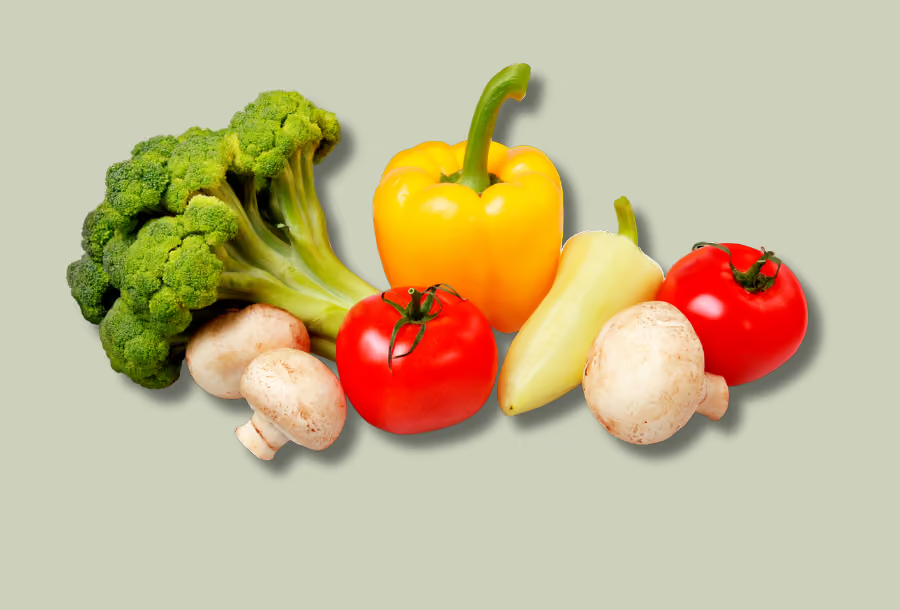
Many non-starchy vegetables contain too little carbohydrate for a reliable GI value, so a numbered low-GI vegetable ranking can mislead. Choose a variety you enjoy, including winter greens, broccoli and root vegetables. Use vegetables in satisfying meals with protein and suitable carbohydrate foods, rather than expecting a particular vegetable to control blood glucose.
Use the checklist to turn the information below into a practical choice that suits you.
The glycaemic index needs enough available carbohydrate for a standard test, and many salad vegetables and leafy greens contain very little. A missing value does not mean the food is unhealthy, and a made-up low number does not make it healthier. Our glycaemic index guide explains what the measure can tell you.
Starchy vegetables differ from leafy greens in their carbohydrate content, but they still contribute to a varied diet. Preparation, variety and serving size matter. Labelling every vegetable low GI hides these differences, while avoiding all root vegetables removes useful foods without considering the meal.
Choose vegetables for taste, availability and the different nutrients and fibre they contribute. The Australian dietary guidelines include vegetables and legumes as a food group, with variety across types. You do not need a glucose monitor or a ranked chart to decide that a cabbage belongs in your soup.
These are cooking ideas rather than a numerical GI league table. Local availability varies with climate and growing region, so use what looks good and fits your budget.
Spinach, silverbeet and kale can be stirred into a soup near the end of cooking or added to eggs. Frozen spinach avoids the pressure to finish a large bag quickly. If a leaf tastes bitter, try a different preparation or another green rather than assuming you have to eat it raw.
Use both the florets and the tender parts of the stem. Slice the stem thinly for a stir-fry or add it to soup. Steaming, roasting and microwaving are all practical options. Claims about concentrated broccoli extracts should not be transferred to an ordinary serving as a treatment for insulin resistance.
Roast cauliflower with spices, blend it into soup or include it in a chickpea curry. Cauliflower rice is optional if you enjoy its texture. It does not need to replace every grain food, and a cauliflower-only bowl may need other ingredients to become a satisfying meal.
Shred cabbage into a slaw or cook it with onion and beans. Roast halved Brussels sprouts or slice them finely to cook more evenly. A whole cabbage keeps well when stored correctly and can stretch across several recipes. Use the preparation you enjoy rather than forcing an unpopular boiled version.
Carrots work raw, roasted or cooked into a casserole. Their natural sweetness is not a reason to exclude them. Grated carrot can add texture to sandwiches or a pasta sauce. Cooking makes a different dish, but does not turn carrots into a food you must avoid for glucose health.
Add zucchini to frittata, roast it with herbs or grate it into a savoury batter. Squeezing out some moisture can help a recipe hold together. Zucchini noodles are another preparation choice; they are not nutritionally interchangeable with a full pasta meal unless the other ingredients meet your needs.
Use these in salads, baked dishes and sauces. Canned tomatoes offer a convenient base when fresh ones are less appealing. Roasted capsicum can add flavour to a bean salad. There is no need to attach a precise GI number to each colour or variety to use them well.
Fresh or frozen green beans can go into a stir-fry, warm salad or roast dinner. They differ from dried beans and lentils in how they are typically used. A plate of green beans alone is not a substitute for the protein and carbohydrate foods that make up the rest of a meal.
Roast eggplant until tender and add it to tomato sauce, chickpeas or a warm salad. Its texture changes substantially with preparation, so give it enough time to cook. Check the full dish rather than judging eggplant by a restaurant description or a claim that it will prevent a glucose rise.
These can start a soup, curry or casserole and help vegetables taste appealing. Use herbs or other flavourings if they trigger digestive symptoms. Culinary use does not establish the effects claimed for concentrated supplements, and garlic is not a replacement for diabetes medicines or other prescribed treatment.
Winter vegetables work well in warm meals that include more than vegetables alone. Availability differs across Australia, but greens, cabbage, cauliflower and root vegetables offer plenty of options when salads are less appealing. Seasonal shopping can guide a recipe without becoming a strict rule.
For soup, combine chopped vegetables with lentils, beans, chicken or tofu, then add bread or another carbohydrate food if you want it. A clear vegetable broth may leave you hungry; adding a substantial ingredient changes that. Blend some of the soup for a thicker texture without having to remove every piece.
For a tray bake, combine carrots, cauliflower and onion with a protein food and herbs. Vegetables cook at different speeds, so cut dense roots smaller or add softer ingredients later. Serve the meal with a grain or bread according to appetite, rather than expecting the vegetable tray to meet every need.
A warm salad can use roast beetroot, lentils, leafy greens and a dressing. Add parsnip or turnip to a casserole for a different flavour, or roast them alongside other roots. These foods do not need an unsupported insulin-sensitising claim to earn their place in dinner.
Yes. Root and starchy vegetables can be included, with the portion and whole meal considered where carbohydrate management matters. Potato, sweet potato, carrot, beetroot, turnip and parsnip are different foods, so one blanket GI claim cannot describe them all.
Use a preparation you like and pair it with the rest of the meal. If you want food-specific context, our sweet potato response page discusses that food. Observations there are not measurements of carrots, winter vegetable soup or your own meal.
A serving of rice alongside vegetables can also fit. Our explanation of white and brown rice considers differences without assuming every brown product has the lowest GI. Choose a pattern you can sustain, with individual carbohydrate advice from your diabetes team where needed.
Fresh produce is one option, while frozen vegetables and suitable canned foods can make regular vegetable meals easier. Choose products that suit the dish and check added salt or sauces when comparing them. Food you can store and use is often more practical than produce that spoils untouched.
Roast for browned edges, steam for a firmer texture or simmer vegetables in a stew. There is no single cooking method that makes every vegetable best for blood glucose. Keep soup cooking liquid as part of the meal, and use enough seasoning to make the dish enjoyable.
If you are increasing fibre, change gradually and consider your tolerance. Our soluble fibre explainer covers the food context. Persistent pain, unexplained changes in bowel habits or a medically restricted diet need individual advice rather than a larger vegetable target from an article.
Vively can help you discuss metabolic blood results and practical food changes with a practitioner. Read how the membership works for the process. We do not need to invent a GI for broccoli or promise a particular glucose response to help you build a varied eating pattern.
The Baseline Health Check is included in Vively membership, with a practitioner consultation to discuss your results and next steps. A GP from our network signs your request after a short telehealth consult.
A reliable GI value is often unavailable because these vegetables contain too little available carbohydrate for standard GI testing. Avoid precise numbers that do not have a credible tested source. You can still include broccoli and spinach for variety, fibre and other nutrients without assigning them a low-GI score.
No. Carrots can be part of a varied eating pattern, including when you are paying attention to glucose. Natural sweetness alone does not describe a food's nutritional value or a meal's effect. Consider the serving and what you eat alongside it, with individual advice if you manage diabetes.
Yes. Plain frozen vegetables are convenient when fresh produce is expensive, unavailable or likely to spoil before you use it. Choose a mix that suits your recipe and compare any added sauces or seasoning. They can go straight into soups, stir-fries and other cooked meals according to packet instructions.
No. Cauliflower rice is an optional way to serve a vegetable, not a requirement for metabolic health. You can eat vegetables alongside rice or another carbohydrate food. If you need a specific carbohydrate plan for diabetes or another condition, ask a dietitian to tailor it rather than removing grains automatically.
START YOUR BASELINE
Vively includes a Baseline Health Check with 70+ biomarkers, a results report and practitioner support in the $99 a month membership. No minimum term.
Explore Baseline Health CheckSubscribe to our newsletter & join a community of 30,000+ Aussies

Start a PCOS assessment with your GP. Learn which blood tests matter, when ultrasound or AMH is useful, and how contraception affects results.


Know what to do about an unexpected high blood sugar reading, when to seek urgent help, and which everyday habits support longer-term glucose care.
.avif)


.svg)


Vively is a general wellness platform and does not provide medical advice, diagnosis, or treatment. Any information, insights or guidance offered through our app, website, programs, or coaches is for educational and informational purposes only and should not be considered a substitute for professional medical advice or care. Always consult a qualified healthcare provider before making any health-related decisions.
We acknowledge the Traditional Custodians of the lands where we live and work, the Gadigal of the Eora Nation. We pay our respects to their Elders past and present.
 Share
Share Tweet
Tweet Share
Share