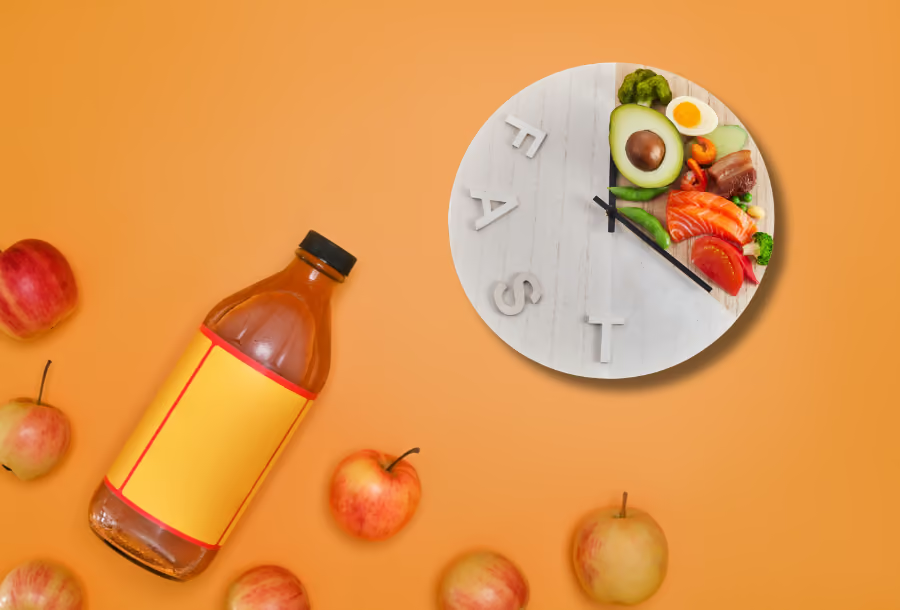



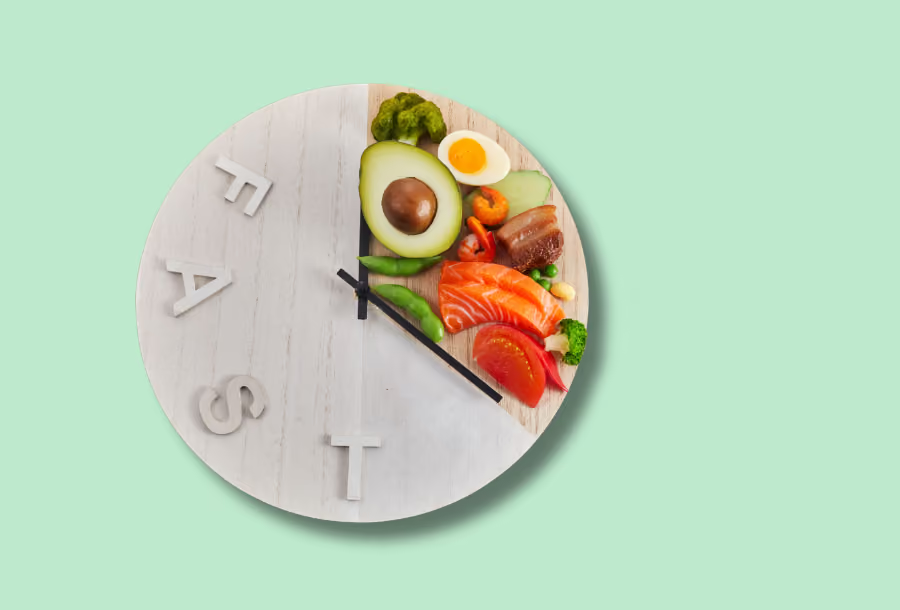
For a fasting blood sugar test, you will usually need to avoid food and drinks other than plain water for 8 to 12 hours. Follow the exact instructions from your doctor or collection centre. Ask about medicines beforehand, particularly if you have diabetes, are pregnant or have previously felt unwell while fasting.
Confirm which tests are on your request before choosing a fasting time. A combined blood collection may have different instructions from an HbA1c test alone.
A fasting glucose test needs a defined period without food, while HbA1c usually does not. The fasting glucose test measures glucose at the time of collection. Recent food can change the result, which is why the fasting instructions are part of the test rather than an optional extra.
An HbA1c test reflects glucose exposure over a longer period. Eating breakfast does not have the same immediate effect on this result. However, if fasting glucose or another fasting test is requested at the same visit, you may still need to fast for the combined collection.
A random glucose test is collected without a planned fast. An oral glucose tolerance test, or OGTT, involves timed blood samples around a glucose drink and has its own preparation requirements. The clinic will explain when to arrive, what to eat beforehand and how long you need to stay.
These tests answer different questions. Your doctor chooses based on symptoms, risk factors, pregnancy and previous results. Do not swap the requested test for a home meter reading or decide that an HbA1c result makes every other test unnecessary.
Use the duration given for your specific request, usually an overnight fast for a morning collection. Starting earlier than instructed does not make the result more accurate. A very long fast can be uncomfortable and may be unsafe for some people, especially those taking medicines that can lower glucose.
If your instructions say to fast overnight, plan your usual evening meal so the collection falls within that window. Avoid turning the preparation into a restrictive diet. The test is intended to help your clinician understand your health under the requested conditions, not your ability to change the result for one morning.
Ask the collection centre what to do if the queue will extend your fast substantially. Tell staff if you are dizzy, shaky, faint or otherwise unwell. Your safety takes priority over completing the blood draw on the original schedule, and staff can explain whether the test should be postponed.
Plain water is generally allowed, but coffee and tea are not substitutes for water during a fasting blood test. Milk, sugar, juice, soft drink and alcohol also break the usual instructions. Even black coffee can affect physiology, so leave it until after collection unless your clinician specifically says otherwise.
Drink your normal amount of water rather than forcing large volumes. If you have a medical fluid restriction, ask your treating team how it applies to the test. Advice intended for a routine blood draw should not override instructions for heart, kidney or another condition.
Check about chewing gum, smoking and vaping if the written instructions do not mention them. Do not assume a product is acceptable simply because its label says sugar-free. If you accidentally have something other than water, tell the collector what it was and when you had it.
Our article on coffee and blood sugar explains why caffeine and added ingredients deserve separate consideration. It is not a reason to change your usual coffee routine for days before a test unless your clinician requests that.

Ask the clinician who ordered the test how to take your medicines during the fast. Do this before the day, especially for insulin or other treatments that can cause low glucose. Do not skip, delay or increase a dose based on general advice in a blog article.
Some medicines need food, and some can affect test interpretation. Bring a current list, including supplements, so the clinician can decide what matters. If instructions from different services conflict, contact them for a clear plan rather than choosing whichever instruction seems easiest.
If you have diabetes, ask about monitoring, treating a low and transport to the appointment. If a low occurs, follow your prescribed treatment plan even though eating or drinking may end the fast. Tell the collection staff and arrange a safe alternative time if needed.
Pregnancy, childhood, a history of fainting and some medical conditions can also change preparation advice. An OGTT during pregnancy needs the maternity team's instructions. Do not apply a general fasting schedule to a child or pregnant person without confirmation from the treating service.
Avoid trying to produce a better result through unusual exercise, skipped meals or an abrupt change in carbohydrate intake. Follow any test-specific instructions and keep a note of anything unusual, such as fever, poor sleep or a stressful event. Your clinician can decide whether it affects interpretation.
For an OGTT, preparation can include specific advice about eating normally beforehand and remaining at the clinic during the test. Exercise, eating or leaving during timed sampling may affect the procedure. Read the appointment information carefully because the schedule differs from a single fasting blood draw.
Arrange a manageable morning and allow time for travel and waiting. If fasting makes you feel unwell, consider having someone accompany you. Practical planning can make the appointment easier without turning the preparation into a project that changes your normal life for several days.
Once staff confirm all required samples are complete, you can usually eat and drink normally. A planned breakfast or snack may be helpful if you are hungry or prone to light-headedness. Follow any further instructions from the collector, particularly if more tests are scheduled that morning.
Ask when and how the results will be reviewed. A laboratory reference interval and a diagnostic cut-off are not the same thing, so a flag on a report needs context. Our Australian blood glucose ranges guide explains that distinction.
The HbA1c calculator can help compare the two common HbA1c units, but cannot interpret a result by itself. Bring questions about the fasting duration, symptoms and medicines to your review. Your clinician may repeat a result or use a different test before making a diagnosis.

Marked thirst, frequent urination, unexplained weight loss or feeling increasingly unwell warrants medical advice. Do not delay assessment simply because you have eaten and assume every glucose test requires fasting. A clinician can choose an appropriate immediate assessment and arrange any further laboratory testing.
For the difference between everyday meal changes and longer-term glucose concerns, visit our glucose information hub. You do not need to buy a CGM to prepare for a blood test. Follow the collection instructions and seek clinical help when symptoms or an abnormal result need review.
Vively's Baseline Health Check includes glucose-related blood markers and a practitioner review of your results. A GP from our network signs your request after a short telehealth consult, so you don't need to visit your own GP first. Follow the preparation instructions supplied for your particular request.
See what the membership includes and how your results are reviewed.
Plain water is usually allowed and you can drink normally. Follow different instructions if your clinician has given them, including any medical fluid restriction. Avoid adding flavouring, sugar or other drinks. Drinking excessive water does not improve the test, and you should tell staff if you feel unwell during the fast.
HbA1c usually does not require fasting when requested on its own. It reflects glucose exposure over a longer period rather than the immediate effect of breakfast. If your request includes fasting glucose or other tests with preparation requirements, follow the instructions for the whole collection rather than HbA1c alone.
Tell the collection staff exactly what you ate and when. They can decide whether the requested testing can proceed, needs to be recorded as non-fasting or should be rescheduled. Do not hide it or extend the fast without advice. Accurate preparation information helps your clinician interpret the result correctly.
Do not stop or change diabetes medicines without an individual plan from your treating clinician. Some can cause low glucose during a fast, while stopping others can be unsafe. Arrange instructions before the appointment and follow your prescribed low-glucose treatment if needed, even if that means postponing the fasting test.
A home meter or CGM generally cannot replace the laboratory test requested by your doctor. The devices measure glucose differently and are used for different purposes. Share relevant readings with your clinician, but complete the recommended diagnostic or monitoring tests and discuss unexpected results rather than interpreting them in isolation.
START YOUR BASELINE
Vively includes a Baseline Health Check with 70+ biomarkers, a results report and practitioner support in the $99 a month membership. No minimum term.
Explore Baseline Health CheckSubscribe to our newsletter & join a community of 30,000+ Aussies

Start a PCOS assessment with your GP. Learn which blood tests matter, when ultrasound or AMH is useful, and how contraception affects results.


Know what to do about an unexpected high blood sugar reading, when to seek urgent help, and which everyday habits support longer-term glucose care.





Vively is a general wellness platform and does not provide medical advice, diagnosis, or treatment. Any information, insights or guidance offered through our app, website, programs, or coaches is for educational and informational purposes only and should not be considered a substitute for professional medical advice or care. Always consult a qualified healthcare provider before making any health-related decisions.
We acknowledge the Traditional Custodians of the lands where we live and work, the Gadigal of the Eora Nation. We pay our respects to their Elders past and present.
 Share
 Tweet
 Share