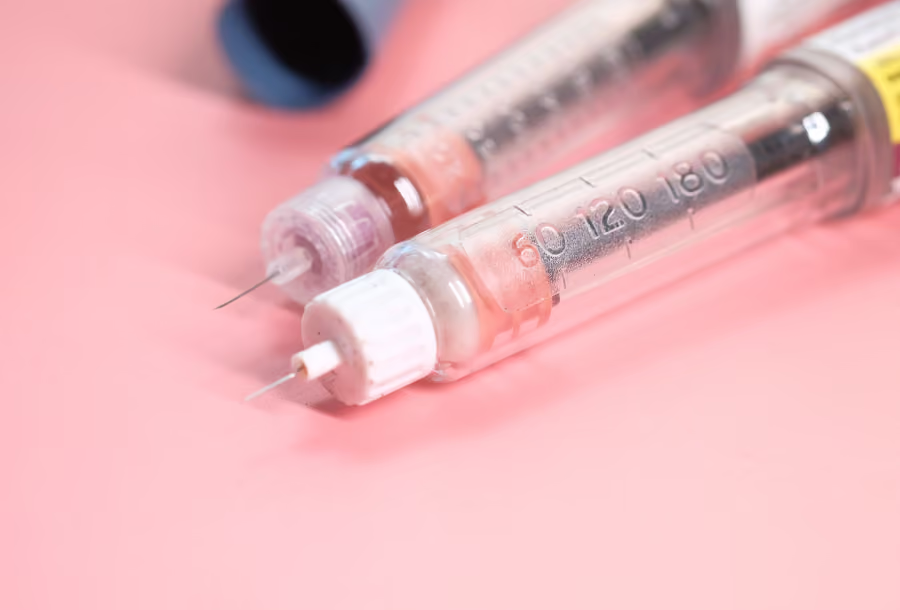



Low blood sugar readings at night can reflect genuine hypoglycaemia or a misleading CGM reading caused by pressure on the sensor. Insulin and some diabetes medicines increase the risk of true lows. Check unexpected readings according to your device instructions and care plan, and never dismiss symptoms because you suspect a sensor problem.
The first task is deciding what action is needed now. Later, your clinician can help explain the pattern. Do not delay treatment of a suspected hypo under your established plan while trying to perfect the graph.
Symptoms or a confirmed low require attention, particularly if you take medicines that can cause hypoglycaemia. Night sweats, disturbed sleep, nightmares or waking with a headache may occur with a low, but they also have other causes. A lack of symptoms does not guarantee that glucose is safe.
If you have diabetes, follow the hypo treatment plan provided by your treating team. Confirm a reading with a finger-prick test when the device instructions or your plan require it, including when readings do not match how you feel. Do not delay prescribed treatment if checking is unavailable and your plan tells you to treat a suspected low.
Confusion, seizures, collapse or inability to swallow safely need emergency help. Call triple zero for an ambulance. Do not give food or drink to someone who is unconscious or cannot swallow. Someone trained to use prescribed glucagon should follow the person's emergency plan.
Arrange review after repeated night-time lows, even if you manage them successfully at home. The plan may need changing, and the reason cannot be identified safely from the shape of a graph alone. Keep medicines unchanged until your treating clinician advises otherwise.
Pressure on a CGM can produce a reading that is lower than your actual blood glucose. This is often called a compression low. It can happen when you sleep on the arm wearing the sensor or place pressure over it in another position.
A CGM measures glucose in the fluid around cells rather than directly sampling blood. Local pressure can affect its readings. Dexcom's device guidance describes pressure as one explanation for overnight readings that disagree with a blood glucose meter; follow the instructions for your own sensor because devices differ.
A sudden dip that improves after you change position can suggest compression. That pattern is a clue, not proof. Feeling well also does not rule out a genuine low, particularly in someone who does not reliably notice hypo symptoms.

Choose the next sensor site according to the manufacturer's approved placement instructions. Avoid improvising a new body location because it seems easier to sleep on. If unexpected readings continue, contact the device provider and your clinician. Our CGM mistakes guide explains other interpretation problems.
True hypoglycaemia is most common in people with diabetes who use insulin or certain glucose-lowering tablets. The balance between medicine, food and activity can change from day to day. Your usual dose may need clinical review after illness, altered eating or a change in activity.
Tell your clinician exactly which medicines you take, including when you take them. Some diabetes treatments have a much greater hypo risk than others, so saying only that you take a diabetes tablet is not enough. Include recent dose changes and any new non-diabetes medicines or supplements.
Reduced kidney function can affect the way some medicines are cleared. Unexplained recurrent lows therefore deserve a broader medical review rather than a bedtime snack being treated as the complete solution. Do not stop insulin or change doses without advice.
If you do not take glucose-lowering medicine, recurrent confirmed lows are less common and need investigation. A clinician may assess symptoms, verify the glucose result and consider other causes. A CGM low on its own does not diagnose a hypoglycaemic disorder, insulin resistance or diabetes.
Alcohol can interfere with the liver's ability to release glucose when it is needed. The risk of a low is especially relevant with insulin or certain diabetes medicines, drinking without enough food and delayed effects after drinking. Ask your diabetes team for an individual alcohol plan if you choose to drink.
Exercise can increase insulin sensitivity and glucose use beyond the activity itself. An unusually active day or evening session may therefore matter during the night. Keep the activity details when you share readings, including whether you ate differently afterwards.
Missed or delayed meals can create a mismatch with medicines intended to cover food. A very restrictive diet can also complicate management. Discuss changes to carbohydrate intake before making them if you take medicines that can cause lows. Our carbohydrate guide explains the food context.
A late meal does not automatically cause reactive hypoglycaemia. Symptoms after a meal need assessment and, where appropriate, confirmation of low blood glucose. Avoid diagnosing it from a dip after an earlier rise or cutting out carbohydrate in response to an unverified reading.
Morning glucose can rise because waking hormones prompt the liver to release glucose. This is called the dawn phenomenon and can be more noticeable with diabetes. It does not require an earlier hypo, and it does not mean you ate during the night.
Food the evening before and the way diabetes medicines work overnight can also contribute to morning highs. Your clinician needs the timing of the readings to distinguish those possibilities. Increasing medicine to correct a morning result without understanding the night may increase the risk of a low.
A proposed rebound after an overnight low is sometimes called the Somogyi effect. It should not be assumed from a high morning result. Share overnight records with your treating team so advice is based on the observed pattern and your treatment.
For laboratory testing, follow the preparation instructions for your fasting glucose test. Our guide to Australian glucose ranges explains why a laboratory result and a CGM trace answer different questions. There is no single overnight CGM target suitable for everyone.

Poor sleep and glucose regulation can affect each other, but an overnight graph cannot diagnose the cause of disrupted sleep. High glucose may cause thirst and frequent urination, while a genuine low may interrupt sleep. Pain, anxiety and menopause symptoms can also cause waking.
Loud snoring, waking gasping or witnessed pauses in breathing need assessment for sleep apnoea. This condition is linked with metabolic problems, but it is not diagnosed by CGM and is not treated by improving a glucose graph. Your GP may arrange a sleep assessment and discuss specific treatment.
Our sleep hygiene guide covers practical routines and when insomnia needs additional care. If a wearable is part of your records, the deep sleep by age tool explains comparisons and the limitations of estimated sleep stages.
Keep the review manageable. Record a short note about symptoms, sensor position and unusual events rather than repeatedly waking to inspect a graph without a clinical reason. If monitoring increases anxiety or disrupts sleep, ask your treating team how to use it with less burden.
Vively can help you review glucose patterns alongside food, activity and sleep. Our glucose information hub explains readings in context. Recurrent suspected or confirmed hypoglycaemia needs your GP or diabetes team's assessment; a lifestyle programme cannot replace urgent treatment or medicine review.
Learn about sensor monitoring and its limits before deciding whether it fits your needs.
Pressure on a CGM can affect the reading and make it appear lower than your blood glucose. This is called a compression low. Changing position may improve it, but that does not prove every low is false. Follow your device instructions for checking unexpected results, and follow your hypo plan when symptoms or confirmed lows occur.
Yes, but recurrent confirmed hypoglycaemia is less common without diabetes medicines and should be assessed by a clinician. A CGM dip alone is insufficient to diagnose it. Record symptoms and relevant food, alcohol or activity details, and seek prompt medical advice for repeated lows or symptoms rather than changing your diet based only on the graph.
A bedtime snack may be part of some individual diabetes plans, but it is not the answer to every overnight low reading. First clarify whether the low is genuine and whether medicines, alcohol or activity are involved. Ask your treating team for advice instead of routinely eating to correct an unverified compression low.
No. The dawn phenomenon, evening food and overnight medicine effects can cause morning highs without a preceding low. Your clinician can use the timing of overnight readings to investigate. Do not increase or reduce diabetes medicines based on the morning number alone, because a change may affect another part of the night.
Poor sleep can affect glucose regulation and may contribute to a different reading, but it does not make an abnormal test safe to ignore. Tell your clinician about unusual sleep, illness and any preparation problems. Follow the collection instructions and complete any recommended follow-up rather than assuming the result will be normal after a better night.
No. A glucose graph cannot diagnose sleep apnoea. Loud snoring, gasping, witnessed breathing pauses or marked daytime sleepiness should be discussed with your GP, who can consider a sleep assessment. Sleep apnoea and glucose problems can occur together, but each needs appropriate evaluation and treatment rather than assuming one explains every symptom.
START YOUR BASELINE
Vively includes a Baseline Health Check with 70+ biomarkers, a results report and practitioner support in the $99 a month membership. No minimum term.
Explore Baseline Health CheckSubscribe to our newsletter & join a community of 30,000+ Aussies
Start a PCOS assessment with your GP. Learn which blood tests matter, when ultrasound or AMH is useful, and how contraception affects results.

Know what to do about an unexpected high blood sugar reading, when to seek urgent help, and which everyday habits support longer-term glucose care.





Vively is a general wellness platform and does not provide medical advice, diagnosis, or treatment. Any information, insights or guidance offered through our app, website, programs, or coaches is for educational and informational purposes only and should not be considered a substitute for professional medical advice or care. Always consult a qualified healthcare provider before making any health-related decisions.
We acknowledge the Traditional Custodians of the lands where we live and work, the Gadigal of the Eora Nation. We pay our respects to their Elders past and present.
 Share
 Tweet
 Share