Glucose levels can affect brain fog, but difficulty concentrating or remembering things has many possible causes. Low glucose and significant hyperglycaemia can affect thinking, particularly in diabetes. Everyday fogginess can also relate to sleep, medicines, nutrition, menopause or illness. Persistent symptoms need a broader assessment than a glucose graph.
It is understandable to look for a measurable explanation when thinking feels harder than usual. Start by describing what has changed. A useful record helps your clinician decide what to investigate without assuming a meal or a glucose rise caused the problem.
Brain fog describes problems with concentration, memory or clear thinking. You might lose the thread of a conversation, struggle to find a word or need longer to organise a familiar task. Healthdirect explains that it is a symptom description rather than a condition with a single diagnostic test.
The experience deserves attention even if you can still work or manage the household. Describe a concrete example, such as rereading an email repeatedly or forgetting a familiar appointment. This is more useful than trying to rate how healthy your brain feels.
Frequent, worsening symptoms or changes that affect daily life should be discussed with a GP. Our guide to choosing blood tests explains how selected investigations may fit into that assessment. Testing complements the consultation; it does not replace it.
Glucose disturbances can cause symptoms that include difficulty thinking clearly, but their significance depends on the situation. The US National Institute of Diabetes and Digestive and Kidney Diseases lists confusion among symptoms of hypoglycaemia. Severe low glucose can lead to loss of consciousness or a seizure and needs immediate treatment.
This is especially relevant for people using insulin or certain glucose-lowering medicines. Follow your individual diabetes plan if you suspect a low. Do not drive while confused or unwell, and do not wait for an online interpretation of a sensor trace before seeking help.
High glucose in diabetes may be accompanied by thirst, frequent urination, tiredness or blurred vision. Very high glucose can also cause serious illness and confusion. These situations differ from noticing that your concentration dips after lunch.
For background on clinical testing, our fasting glucose page and HbA1c page explain what the tests measure. Your GP chooses tests and interprets results in the context of your symptoms and history.
Feeling sleepy after eating does not by itself show that glucose is too high or too low. The timing of symptoms may be worth recording, but it cannot establish the mechanism. A meal may coincide with poor sleep, a demanding morning or a long gap without food.
Write down what happened without labelling the meal a failure. Note roughly when you ate, whether you were hungry beforehand and whether the problem repeats. Avoid changing several foods at once or repeatedly skipping meals to produce a flatter graph.
Our glucose response hub explains why glucose changes after food. A rise is not a measure of intelligence or concentration. If you have episodes of shakiness, sweating, faintness or confusion, ask for clinical assessment rather than assuming you have reactive hypoglycaemia.
Thinking and memory can change with age, but new difficulties should not automatically be dismissed as normal ageing. The National Institute on Aging describes differences between occasional lapses and problems that interfere with everyday activities. An assessment can consider the pattern of change and potentially treatable contributors.
Ageing research also connects cardiovascular and metabolic health with cognitive health. That does not establish that every episode of fogginess reflects insulin resistance, or that lowering an individual glucose peak prevents dementia. Population associations cannot identify the cause of one person's symptoms.
Pay attention to function: getting lost on a familiar route, difficulty managing usual medicines or a change noticed by people close to you deserves discussion. Bring someone you trust to the appointment if that would help explain the change. Your clinician can decide whether cognitive testing or referral is appropriate.
Healthy routines remain worthwhile without a promise about future memory. Keep social contact, choose activity you can maintain and discuss blood pressure, diabetes or other established health conditions with the clinicians who manage them.
Adequate, varied food intake matters for health, and a highly restrictive diet can make it harder to meet your needs. The Australian dietary guidelines recommend variety across the food groups. Include vegetables and fruit, wholegrain foods, suitable protein sources and dairy or appropriate alternatives in a pattern you enjoy.
A practical lunch might include wholegrain bread with eggs or tofu and vegetables, rather than removing the carbohydrate component because you feel foggy. If work makes meals irregular, keeping an accessible meal or snack available can be more realistic than following a complicated eating schedule.
Vitamin B12 deserves specific consideration when there is a reason to suspect deficiency. The US Office of Dietary Supplements explains that deficiency can cause neurological symptoms and that some people have difficulty absorbing enough B12. People eating a vegan diet also need a reliable source through fortified foods or supplementation advised for their needs.
Our vitamin B12 test page provides background. Discuss your intake, health conditions and medicines with a clinician before deciding which tests or supplements are appropriate. A supplement marketed for mental clarity is not a substitute for investigating persistent symptoms.
Sleep disruption can affect concentration and glucose regulation at the same time. The National Heart, Lung, and Blood Institute explains that sleep deficiency can interfere with learning, attention and the body's response to insulin. This shared influence can make two changes occur together without proving one caused the other.
Record whether poor concentration follows broken sleep, night work or a recent illness. Discuss persistent insomnia, loud snoring or waking gasping with your GP. Our sleep hygiene guide covers routines and when they need to be supported by specific treatment.
Menopause can also involve brain fog, sleep disturbance and mood changes. A clinician should consider the full pattern, including your menstrual history and symptoms. It is too narrow to treat menopause-related concentration problems as a glucose issue alone. Our perimenopause testing guide explains why tests have limits in this setting.
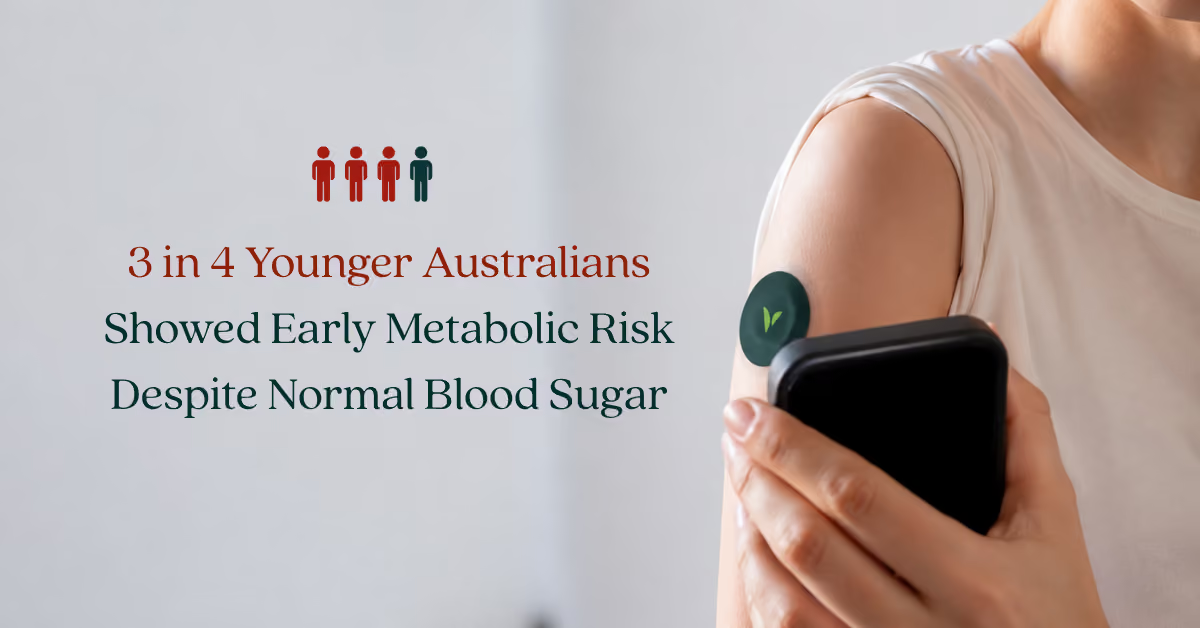
A continuous glucose monitor estimates glucose in the fluid around cells. It does not measure cognition, diagnose brain fog or identify a hormone disorder. A similar-looking sensor pattern can occur in different circumstances, and the reading may not match blood glucose at that exact moment.
If you already use a CGM as part of diabetes care, follow your clinical team's instructions for interpreting symptoms and confirming unexpected readings. Do not change medicines based on this article. If you do not have diabetes, do not assume that tracking glucose will explain concentration difficulties.
We do not promise that wearing a CGM improves memory or treats brain fog. Your next useful step may be a medication review, sleep assessment or selected blood tests. Those decisions should follow the clinical question rather than the availability of a device.
Sudden neurological changes need urgent assessment. Facial drooping, new arm weakness or slurred speech can be signs of stroke. Call emergency services immediately rather than treating these as ordinary brain fog. Severe confusion, loss of consciousness or a seizure also needs emergency help.
For gradual symptoms, book a GP appointment if they persist, worsen or affect your usual activities. Keep following any diabetes action plan while arranging care. A reassuring wearable score does not rule out an urgent problem or explain continuing symptoms.
Vively can help you understand blood results alongside symptoms and daily habits. Practitioner review can put relevant markers in context and help you plan follow-up. Blood testing cannot diagnose every cause of brain fog, and Vively does not replace your GP's assessment, urgent care or specialist care.
No. Brain fog has many possible causes, and symptoms alone cannot diagnose diabetes. Your GP can review the pattern and decide whether glucose testing or other investigations are appropriate. Seek assessment if you also have thirst, frequent urination or unexplained changes in your health rather than trying to diagnose yourself from a sensor.
No. Brain fog does not establish that carbohydrates are the cause. Review whether you are eating enough, sleeping adequately and experiencing other symptoms. A dietitian can help you build regular meals that meet your needs. If you use glucose-lowering medicines, discuss dietary changes with your diabetes team because your treatment may need review.
No. A glucose monitor records one type of information and cannot diagnose the cause of thinking or memory problems. Matching symptoms with a graph does not prove causation. Bring useful observations to your clinician, who can assess whether they fit a glucose issue or whether another investigation is more appropriate.
Some changes in thinking can occur with age, but persistent or worsening difficulties deserve assessment. Tell your GP if memory or concentration is interfering with familiar tasks. Sleep, medicines and other health conditions may need review. A glucose reading alone cannot distinguish age-related change from a problem that needs specific care.
START YOUR BASELINE
Vively includes a Baseline Health Check with 70+ biomarkers, a results report and practitioner support in the $99 a month membership. No minimum term.
Explore Baseline Health CheckSubscribe to our newsletter & join a community of 30,000+ Aussies

Start a PCOS assessment with your GP. Learn which blood tests matter, when ultrasound or AMH is useful, and how contraception affects results.


Know what to do about an unexpected high blood sugar reading, when to seek urgent help, and which everyday habits support longer-term glucose care.
.avif)


.svg)


Vively is a general wellness platform and does not provide medical advice, diagnosis, or treatment. Any information, insights or guidance offered through our app, website, programs, or coaches is for educational and informational purposes only and should not be considered a substitute for professional medical advice or care. Always consult a qualified healthcare provider before making any health-related decisions.
We acknowledge the Traditional Custodians of the lands where we live and work, the Gadigal of the Eora Nation. We pay our respects to their Elders past and present.

 Share
Share Tweet
Tweet Share
Share